

Anxiety Disorder Treatment in Bangladesh
Anxiety can quietly take over everyday life. It may affect sleep, work, study, relationships, confidence, and even simple routines like going outside or speaking to others. At CHALLENGES, we provide anxiety disorder treatment in Bangladesh through psychiatrist-led care, structured residential support, psychological therapy, and personalized recovery planning. Our team works closely with each patient to reduce overwhelming fear, panic, restlessness, and emotional distress in a safe setting. Whether someone is struggling with constant worry, social anxiety, panic attacks, or severe anxiety linked with other mental health challenges, we help them regain stability, confidence, and a healthier way of living.
- Psychiatrist-led
- 24/7 Medical Assistance
- Individualized Treatment Plan
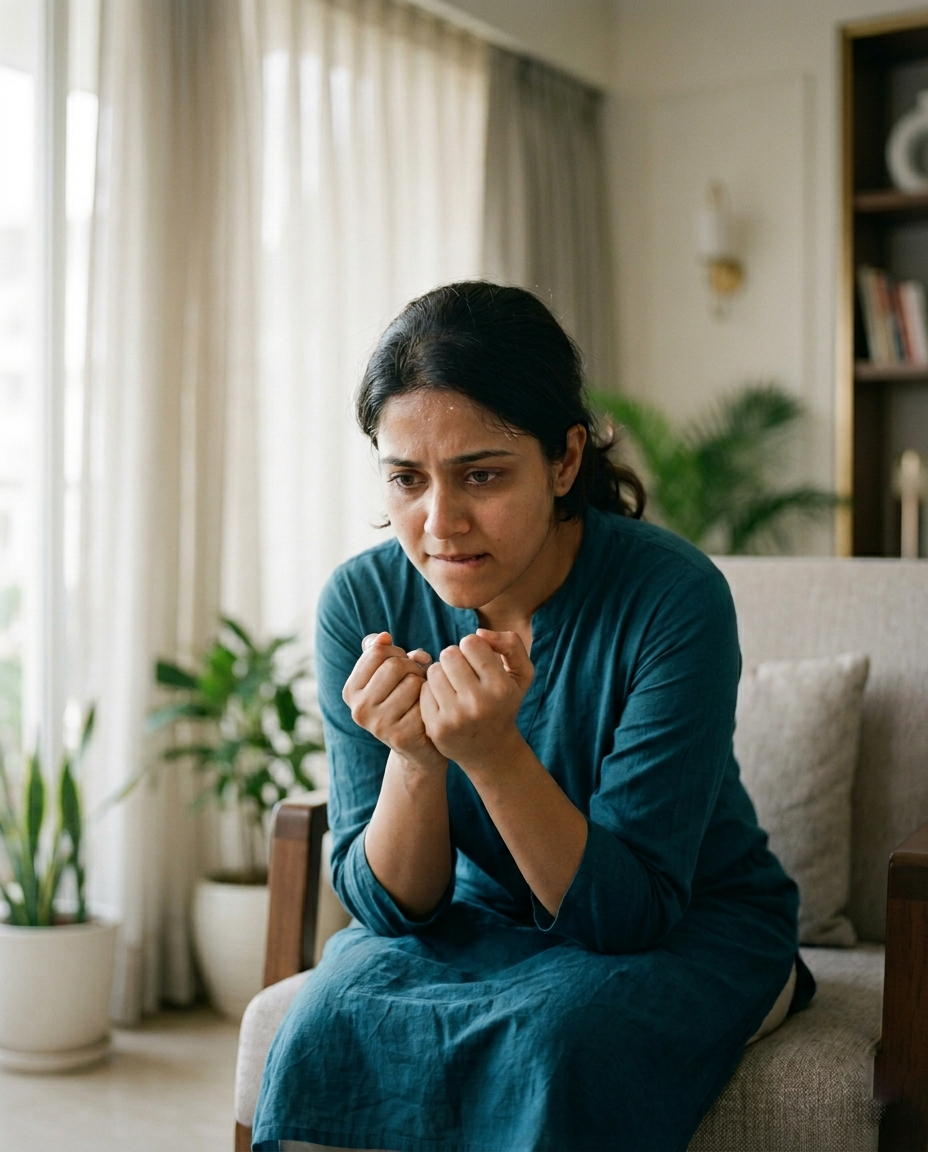

Our Anxiety Disorder Treatment Programs
Our treatment programs for anxiety disorder combine psychiatric evaluation, residential care, evidence-based therapy, family guidance, and aftercare planning. Each program is designed to help patients feel safe, understood, and steadily more in control of their thoughts, emotions, and daily life.
Psychiatric Assessment & Stabilization
Every recovery journey starts with a full psychiatric assessment and symptom stabilization plan. We help patients manage intense worry, panic, sleep disruption, and physical anxiety symptoms with close clinical support.

Inpatient/Residential
Our residential program gives patients a calm, structured setting away from daily triggers. With therapy, routine, monitoring, and emotional support, they can focus on healing, feeling safe, and rebuilding confidence.
Aftercare
Recovery from anxiety does not stop at discharge. Our aftercare program supports patients with follow-up guidance, coping strategies, relapse prevention planning, and continued encouragement as they return to normal life.
Family Counselling
Family counseling helps loved ones understand anxiety disorder with more clarity and less fear. We guide families on communication, emotional support, daily boundaries, and how to respond without pressure or blame.

Understanding Anxiety Disorder
Anxiety disorder is more than stress or overthinking. It can cause constant worry, panic, fear, avoidance, poor sleep, physical tension, and emotional exhaustion. With the right treatment, people can feel calmer, think more clearly, and return to daily life with confidence.
- Persistent worry that feels hard to control each day
- Panic, fear, or tension that disrupts normal routine
- Avoidance of people, places, work, or responsibilities
- Professional care can restore calm, stability, and trust
AREAS OF SPECIALTY
Why Choose CHALLENGES for Anxiety Disorder Treatment

Structured Residential Healing
Anxiety often gets worse in chaotic environments. Our residential setting gives patients a calm place to slow down, feel protected, and follow a healthy routine. With less outside pressure and more professional support, they can focus on sleep, therapy, emotional balance, and steady day-by-day improvement without feeling alone or judged.
Coordinated Clinical Support
Treatment works better when care is connected. At CHALLENGES, psychiatrists, therapists, and support staff work together to understand each patient’s symptoms, triggers, and progress. This coordinated approach helps us adjust treatment carefully, support emotional stability, and create a plan that feels personal, practical, never rushed.
Daily Routine That Builds Stability
When anxiety disorder affects daily life, structure can be deeply calming. Our program combines therapy, rest, wellness activities, reflection, and guided routines that reduce overwhelm. Patients receive steady support that helps rebuild confidence, emotional control, and healthier day-to-day habits in a safer, more supportive setting.
Family Guidance That Makes Recovery Easier
Many families want to help but do not know what to say or do. We support loved ones with counseling and practical guidance so they can better understand anxiety disorder, respond with patience, and reduce conflict at home. This shared understanding often makes recovery smoother, safer, and more sustainable long after treatment ends.
How Our Treatment Works
Our treatment process is designed to reduce fear, build trust, and guide each patient from first assessment to long-term support with clear steps, steady care, and realistic progress.
1
Assessment and Admission
A careful intake process helps us understand symptoms, risks, history, and support needs.
2
Stabilization and Symptom Control
We focus on safety, sleep, panic control, emotional balance, and early clinical support.
3
Core Residential Program
Daily therapy, routine, monitoring, and guided activities support deeper recovery work.
4
Family Support
Families receive education and counseling to support healing with clarity and patience.
5
Relapse Prevention Plan
Patients learn coping tools and warning signs to manage anxiety after discharge.
6
Aftercare and Outpatient
Follow-up support helps patients stay consistent, stable, and connected after treatment.
AREAS OF SPECIALTY
Therapy That Helps You Feel Safe, Clear, and In Control Again
Many patients in Bangladesh are told to just be strong, pray more, or ignore the problem. But severe anxiety needs proper care. At CHALLENGES, we use structured therapies that help patients understand their thoughts, calm their body, manage fear, and respond to stress in healthier ways.
Cognitive Behavioral Therapy (CBT)
Cognitive Behavioral Therapy, or CBT, helps patients notice the thought patterns that keep anxiety active. It shows how fear, overthinking, avoidance, and physical tension can feed each other every day. In therapy, patients learn practical ways to challenge anxious thinking, face triggers gradually, and build healthier responses. For many people with anxiety disorder, CBT makes daily life feel less overwhelming and more manageable again.
Dialectical Behavior Therapy (DBT)
Dialectical Behavior Therapy, or DBT, is helpful when anxiety comes with emotional overwhelm, panic, frustration, or difficulty calming down. It teaches skills like mindfulness, distress tolerance, emotional regulation, and healthier communication. These tools help patients pause, stay grounded, and respond more steadily during stressful moments. DBT can be especially valuable for people who feel emotionally flooded or easily thrown off balance.
When Anxiety Starts Affecting Life, Early Treatment Matters
Many people live with anxiety for a long time before asking for help. They try to manage it quietly, hoping it will pass. Meanwhile, sleep becomes harder, concentration drops, panic increases, and even simple situations may start to feel exhausting. Families often notice the change but may not know whether the person needs rest, reassurance, or professional care.
That is why early treatment matters. At CHALLENGES, we look beyond the surface and try to understand what the patient is going through day by day. With psychiatric support, therapy, structure, and a safe environment, treatment can help reduce fear, improve emotional control, and bring back the confidence to live, work, study, and connect with others.
Average Cost of Rehabilitation Programs
We specialize in providing inpatient rehabilitation programs for individuals who require structured, round-the-clock professional care. Our personalized treatment plans are designed to help patients overcome addiction, restore emotional stability, and return to healthier, more meaningful lives.
General
Inpatient rehabilitation programs provide round-the-clock care and support in a structured residential setting focused on recovery.
Premium
Inpatient rehabilitation programs provide round-the-clock care and support in a comfortable residential environment.
Extra Premium
Inpatient rehabilitation programs provide round-the-clock care and support in a private and supportive residential setting.
How do I know if I need anxiety disorder treatment?
If worry, panic, fear, poor sleep, restlessness, or avoidance are affecting your work, studies, relationships, or daily routine, it is time to seek professional help. Treatment is especially important when symptoms keep returning or feel hard to control on your own.
Do you treat panic attacks and severe anxiety too?
Yes. Our team supports people dealing with panic attacks, constant worry, social anxiety, fear-based avoidance, and severe anxiety linked with other mental health challenges. Treatment is planned according to symptom severity, daily impact, and the patient’s overall condition.
Is residential treatment necessary for every anxiety patient?
No. Residential care is usually considered when symptoms are severe, daily life is badly affected, home support is limited, or the patient needs close monitoring and structured care. After assessment, we guide families toward the most suitable treatment path.
Will my family be involved in the treatment process?
Yes, when appropriate. Family counseling helps loved ones understand anxiety disorder, improve communication, reduce blame, and learn how to support recovery in a healthier way. Family involvement can make treatment smoother and home life more supportive.
Can anxiety disorder be treated without shame or judgment?
Absolutely. Anxiety disorder is a real mental health condition, not a weakness or character flaw. Our approach is respectful, private, and compassionate, so patients can speak openly, feel understood, and begin treatment in a safe and supportive environment.
Schedule a Free
Consultation Online
Can't find what you're looking for?