Social Media Addiction Treatment in Bangladesh
When social media starts controlling sleep, study, work, mood, and relationships, the problem is bigger than “too much phone use.” At Challenges, we provide structured Social Media Addiction Treatment in Bangladesh for teens, young adults, and adults struggling with compulsive scrolling, reels watching addiction, smartphone dependence, and emotional overuse of digital platforms. Our residential program combines psychiatric assessment, behavioral therapy, routine rebuilding, family guidance, and relapse-prevention planning in a safe setting. We help patients reduce screen dependency, understand triggers, manage urges, improve emotional control, and rebuild a healthier, lasting offline life with dignity, privacy, and professional support.
- Psychiatrist-led
- 24/7 Medical Assistance
- Individualized Treatment Plan


Treatment Programs for Social Media Addiction
Our treatment programs are designed for people whose social media use has become compulsive, emotionally disruptive, or harmful to daily life. Through structured care, therapy, family support, and step-by-step planning, we help patients regain control and rebuild healthy routines.
Digital Detox & Stabilization
Our Digital Detox & Stabilization program helps patients step back from compulsive scrolling in a structured setting while we address sleep disruption, irritability, anxiety, and the habits driving constant phone and app use.

Inpatient/Residential
Our Inpatient / Residential program gives patients a focused, screen-controlled setting with round-the-clock support, therapy, routine rebuilding, and professional care so recovery can begin without everyday digital triggers.
Aftercare
Our Aftercare program supports the move back into daily life with relapse-prevention planning, digital boundaries, follow-up counseling, and practical guidance so patients can stay stable when phones, apps, and urges return.
Family Counselling
Our Family Counselling helps loved ones understand social media addiction, reduce conflict at home, improve communication, and learn how to support recovery without blame, panic, or power struggles that make healing harder.
What Social Media Addiction Can Look Like
Social media addiction is a behavioral pattern where scrolling, posting, checking notifications, or watching reels starts to control daily life. It can affect sleep, focus, studies, work, mood, relationships, and self-esteem. Many families first notice the problem when phone use turns into conflict, secrecy, irritability, or withdrawal from offline life.
- Compulsive scrolling that disrupts sleep and daily routine
- Reels watching that steals focus from study or work tasks
- Phone use causing irritability, secrecy, and family conflict
- Screen dependency that weakens real-life connection and joy
AREAS OF SPECIALTY
Why Families Choose Challenges for Social Media Addiction Treatment

Structured Daily Routine
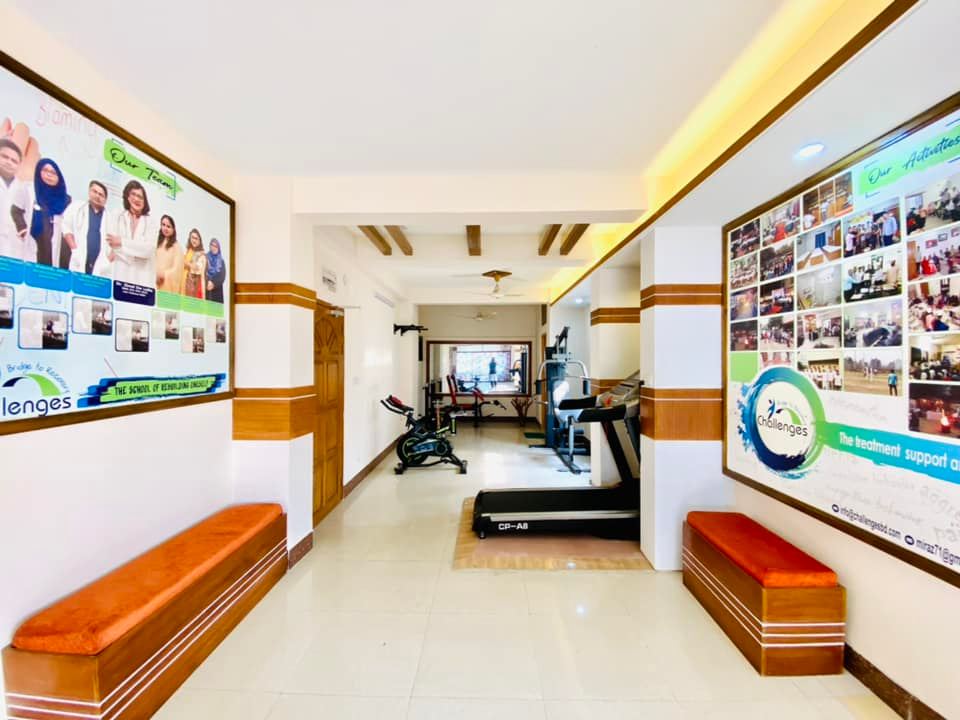
Many patients say they want to stop but cannot stop. Our residential setting removes constant digital triggers and replaces them with a planned daily routine of therapy, rest, wellness, reflection, and healthy activity. That structure helps patients feel calmer, think more clearly, and rebuild habits that support real recovery daily.
Personalized Clinical Care
We do not treat this like a simple bad habit. We look at the emotional reasons behind compulsive phone use, including stress, loneliness, avoidance, low mood, poor boundaries, or family conflict. With CBT, DBT-informed support, counseling, and psychiatric review when needed, treatment is built around the person, not just the screen.
Family-Centered Guidance
In many homes, phone addiction turns into daily arguments, blame, threats, and frustration. Our family counselling helps loved ones understand what is happening, respond more effectively, and support recovery with healthier boundaries. This often improves trust at home and gives both patients and families a clearer path forward together.
Practical Aftercare Planning
Recovery does not end when residential care ends. We help patients return to study, work, and family life with a practical relapse-prevention plan, follow-up support, and realistic digital rules they can actually maintain. The goal is not fear of the phone, but healthier control, stronger routines, and a more balanced offline life.
How Our Social Media Addiction Treatment Works
Our treatment follows a clear step-by-step process that helps patients move from compulsive use and family stress toward emotional stability, healthier habits, and steady recovery.
1
Assessment and Admission
We assess symptoms, phone habits, triggers, sleep, mood, and family concerns first.
2
Digital Detox and Stabilization
Patients step away from triggers while sleep, stress, urges, and routine are stabilized.
3
Core Residential Program
Daily therapy, structured routine, counseling, and healthy offline activity build change.
4
Family Support
Families learn how to reduce conflict, set boundaries, and support recovery well.
5
Relapse Prevention Plan
We create clear rules, trigger plans, and digital boundaries for life after rehab.
6
Aftercare and Outpatient
Follow-up support helps patients stay steady as they return to normal daily life.
AREAS OF SPECIALTY
When Phone Use Starts Damaging Life at Home
In Bangladesh, many families first think excessive social media use is only bad discipline or a teenage phase. But when reels, late-night scrolling, and smartphone dependency start harming sleep, studies, work, family peace, and emotional health, structured treatment can make a real difference.
More Than Screen Time
- Families often come to us exhausted. The patient is staying up late, missing classes, losing interest in real conversations, becoming angry when asked to put the phone away, and slipping into a cycle of scrolling, comparing, and emotional shutdown. Over time, trust breaks down at home. Our job is to help both the patient and the family understand the pattern clearly and respond with a real treatment plan, not blame, punishment, or fear.
Designed for Bangladeshi Families
- Our program is designed for the realities many Bangladeshi families face: stigma, confusion, academic pressure, privacy concerns, and uncertainty about where to get help. We provide a confidential residential setting, professional therapy, family guidance, and structured routines that help patients disconnect from harmful digital habits and reconnect with sleep, focus, self-respect, faith, and daily life in a safer, more supported way.
How CBT and DBT Help in Recovery
For many patients, the hardest part is not knowing the damage is happening. The hardest part is feeling pulled back to the phone again and again, even after promising to stop. Our therapy helps patients understand why they scroll, what triggers them, and how that behavior is affecting mood, sleep, study, work, and relationships.
CBT helps change unhealthy thinking and daily habits, while DBT builds skills for handling urges, strong emotions, frustration, and emptiness without escaping into the screen. Together, these therapies help patients feel more in control, communicate better, and build a healthier life offline.
Average Cost of Rehabilitation Programs
We specialize in providing inpatient rehabilitation programs for individuals who require structured, round-the-clock professional care. Our personalized treatment plans are designed to help patients overcome addiction, restore emotional stability, and return to healthier, more meaningful lives.
General
Inpatient rehabilitation programs provide round-the-clock care and support in a structured residential setting focused on recovery.
Premium
Inpatient rehabilitation programs provide round-the-clock care and support in a comfortable residential environment.
Extra Premium
Inpatient rehabilitation programs provide round-the-clock care and support in a private and supportive residential setting.
What are the signs of social media addiction?
Common signs include compulsive scrolling, losing track of time online, staying up late for reels or feeds, irritability when the phone is removed, neglecting study or work, hiding usage, and ongoing conflict with family over screen time.
Do you treat smartphone addiction and reels watching addiction too?
Yes. Many patients are not only attached to social media apps but also to nonstop phone use, short-video scrolling, and checking notifications. We address the full behavior pattern, not just one platform.
Is residential treatment necessary for every patient?
Not always. Some people may improve with counseling and boundaries, but residential treatment is often helpful when phone use is severe, daily life is disrupted, family conflict is high, or the patient cannot stop even after repeated attempts.
Can families be involved in the treatment process?
Yes. Family involvement is important, especially when trust has broken down at home. Our family counselling helps loved ones understand the problem, set healthier boundaries, and support recovery without constant arguments or shame.
Will treatment stay confidential?
Yes. Privacy matters deeply, especially for patients and families who feel embarrassed or worried about social stigma. We handle treatment with sensitivity, professionalism, and respect for confidentiality.
Schedule a Free
Consultation Online
Can't find what you're looking for?