Residential Rehabilitation Treatment Program in Bangladesh
When life at home keeps feeding addiction, relapse, emotional breakdown, or unsafe behavior, a Residential Rehabilitation Treatment Program gives space to reset in a protected setting. Here, patients stay on-site and follow a structured plan with medical care, therapy, monitoring, healthy routines, and guided support away from daily triggers.
At Challenges, this program is built for people who need more than occasional visits or short-term advice. With residential support, counseling, relapse prevention, family involvement, dual-diagnosis care when needed, and a focused healing environment, recovery becomes more stable, practical, and easier to continue after returning to everyday life in Bangladesh.
- Psychiatrist-led
- 24/7 Medical Assistance
- Individualized Treatment Plan
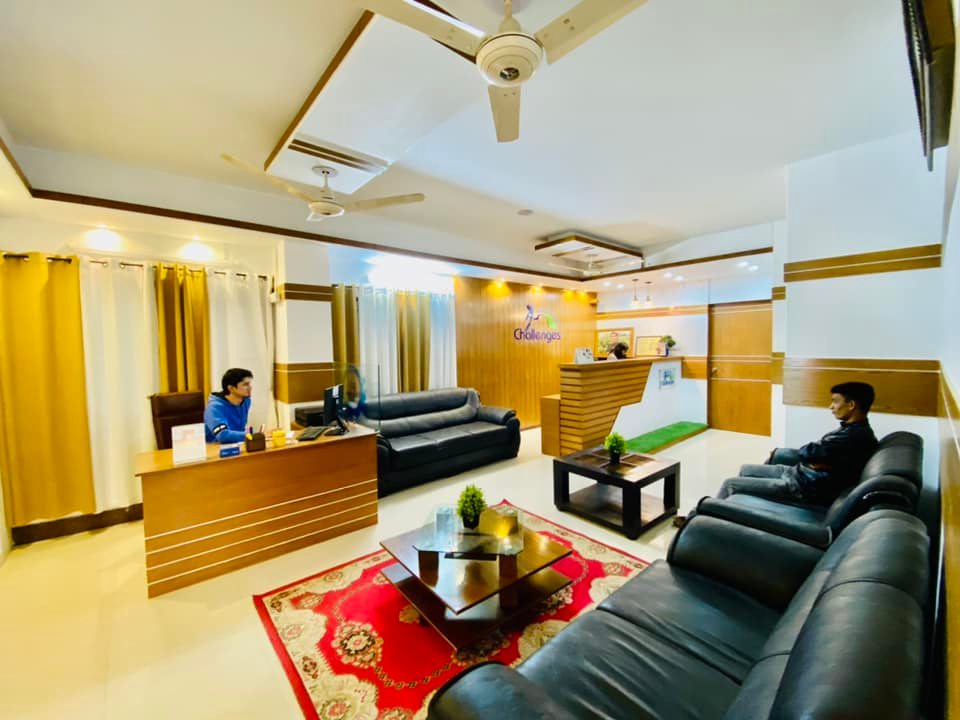
24/7 Structured Residential Care
- Patients stay in a safe residential setting with scheduled therapy, supervised routines, rest, meals, and recovery-focused activities that reduce outside triggers and help them build stability step by step each day.
Integrated Medical and Therapy Support
- Psychiatrists, psychologists, counselors, and trained staff work together to support withdrawal care, emotional distress, co-occurring conditions, and behavior change through a personalized treatment plan with supervision.
Relapse Prevention and Life Rebuilding
- Beyond symptom control, the program helps patients rebuild discipline, coping skills, family trust, and healthier habits so recovery can continue after discharge with stronger confidence, safer choices, and clear direction.
AREAS OF SPECIALTY
Therapies That Build Emotional Stability in Residential Care
We specialize in providing structured therapeutic programs for patients who require professional psychological support during recovery. Through evidence-based therapies like CBT and DBT, we use personalized treatment approaches to help you regain emotional balance and rebuild your life.

Cognitive Behavioral Therapy (CBT)
Cognitive Behavioral Therapy helps patients notice the thoughts that come before cravings, anger, shame, hopelessness, or harmful decisions. In residential care, CBT is practiced in a structured way so patients can question unhealthy thinking, manage triggers, and replace destructive patterns with safer, more realistic responses. This helps them make better choices, improve emotional control, and stay engaged in recovery with more awareness.
Dialectical Behavior Therapy (DBT)
Dialectical Behavior Therapy is useful for patients who feel overwhelmed by emotions, impulsive reactions, conflict, or self-defeating habits. Inside a residential setting, DBT teaches mindfulness, distress tolerance, emotional regulation, and communication skills so patients can stay calmer under pressure and handle difficult moments better. These skills help when strong feelings, family stress, or urges begin to affect judgment and behavior.
How Residential Rehabilitation Program Works
From admission to aftercare, residential rehabilitation follows a guided path that helps patients stabilize, engage in treatment, rebuild habits, and prepare for life after discharge.
1
Assessment and Admission
Medical, psychological, and family review to build a safe and suitable treatment plan.
2
Detox and Stabilization
Withdrawal care, psychiatric review, and monitoring to restore safety and stability.
3
Core Residential Program
Daily therapy, routine, recovery education, and supervised living in one setting.
4
Family Support
Guidance sessions help loved ones understand recovery and support change wisely.
5
Dual-Diagnosis Support
Care for addiction with anxiety, depression, trauma, or other mental health needs.
6
Relapse Prevention
Patients learn trigger control, coping tools, and steps for safer long-term recovery.
7
Discharge Planning
A practical plan is made for home return, follow-up, and ongoing accountability.
8
Aftercare and Outpatient
Continued counseling and support help protect progress after residential treatment.
What you will receive in this program
This program brings together medical care, therapy, counseling, education, and faith-sensitive support so patients can heal in a structured environment with clear goals each day.

Detoxification
Safe withdrawal support for patients who need medical care before full rehab work begins.
Dual Diagnosis support
Coordinated care for addiction with depression, anxiety, trauma, or other conditions.
Cognitive Behavioral Therapy
Practical therapy that helps patients change harmful thoughts, triggers, and behaviors.
Psychoeducation
Simple education about addiction, relapse, emotions, and healthier decision-making.
Group Therapy
Guided sessions where patients share, learn, and grow through peer support safely.
Prayers and Islamic Sessions
Faith-sensitive sessions that support reflection, hope, discipline, and inner strength.
Individual Counseling
One-to-one sessions to explore pain, patterns, goals, and personal recovery barriers.
Family Counseling
Support for families to improve understanding, communication, and healthy boundaries.
Couple Counseling
Guidance for couples to address trust, conflict, and recovery-related relationship strain.
Family Group Counseling
Joint sessions that help families heal together and support recovery more wisely.
Average Cost of Rehabilitation Programs
We specialize in providing inpatient rehabilitation programs for individuals who require structured, round-the-clock professional care. Our personalized treatment plans are designed to help patients overcome addiction, restore emotional stability, and return to healthier, more meaningful lives.
General
Inpatient rehabilitation programs provide round-the-clock care and support in a structured residential setting focused on recovery.
- Gym
- Library
Premium
Inpatient rehabilitation programs provide round-the-clock care and support in a comfortable residential environment.
- Air Conditioning
- Extra Food
- Gym
- Library
Extra Premium
Inpatient rehabilitation programs provide round-the-clock care and support in a private and supportive residential setting.
- Extra Food
- Air Conditioning
- Gym
- Library
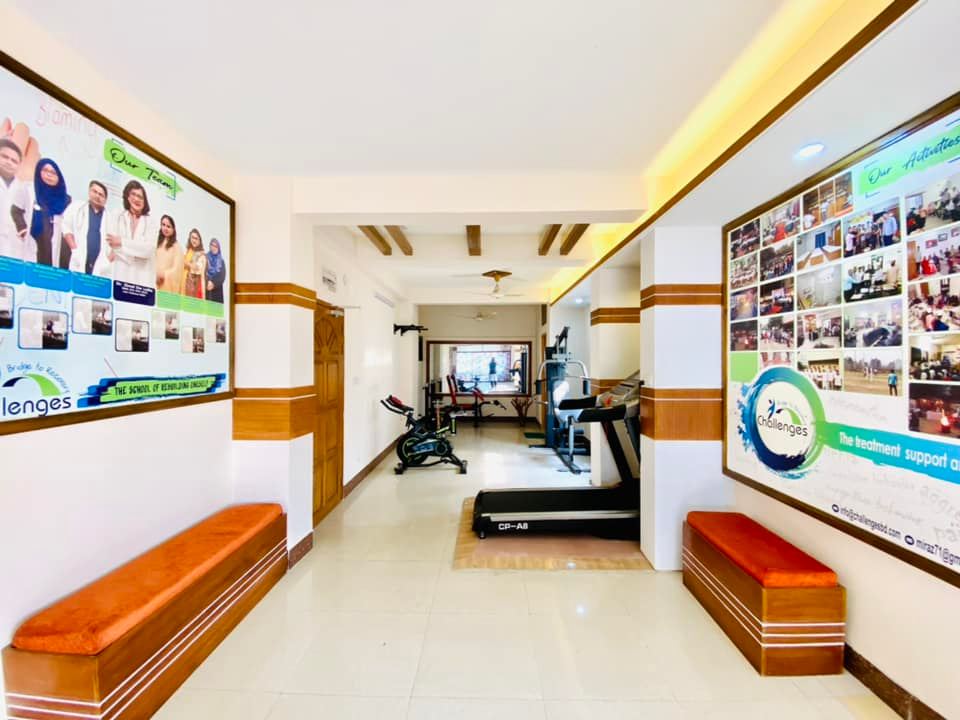
Amenities
We provide a safe, comfortable, and structured residential environment designed to support healing and recovery. Our facilities help patients focus on treatment, well-being, and building healthy daily routines.
When Residential Rehab May Be the Right Step
Residential rehabilitation is often the right step when home support is not enough, relapse keeps happening, or the patient needs close supervision, daily structure, and deeper therapeutic care. This helps families understand when a residential program may be the safer and more effective option.
- Relapse keeps returning after home-based or short-term care
- Triggers at home stay too strong for early-stage recovery
- The patient needs daily monitoring and a stable routine
- Family wants a safer, more structured treatment pathway
What is a Residential Rehabilitation Treatment Program?
It is a live-in treatment program where patients stay in a safe, structured setting and receive medical support, therapy, counseling, routine, and recovery guidance every day. It is often recommended when home life, relapse, or mental health symptoms make recovery harder.
Who should consider residential rehabilitation?
This program is often suitable for people with repeated relapse, strong cravings, unstable behavior, withdrawal needs, family conflict, or co-occurring mental health issues. It helps when weekly sessions or home-based support are no longer enough.
Is detox included in this program?
Yes, detox support can be part of residential rehabilitation when a patient needs medical help to manage withdrawal safely before moving into deeper therapy and routine-based recovery work. Not every patient needs detox, so admission starts with proper assessment.
Can a patient receive help for addiction and mental health together?
Yes. If someone is dealing with addiction along with anxiety, depression, trauma, or another mental health concern, residential rehabilitation can include dual-diagnosis support so both issues are addressed in one coordinated treatment plan.
Will family members be involved in treatment?
Family involvement is often an important part of recovery. Depending on the case, the program may include family counseling, couple counseling, guidance sessions, and family group work so loved ones can support healing in a healthier way.
Schedule a Free
Consultation Online
Can't find what you're looking for?