
Bipolar Disorder Treatment
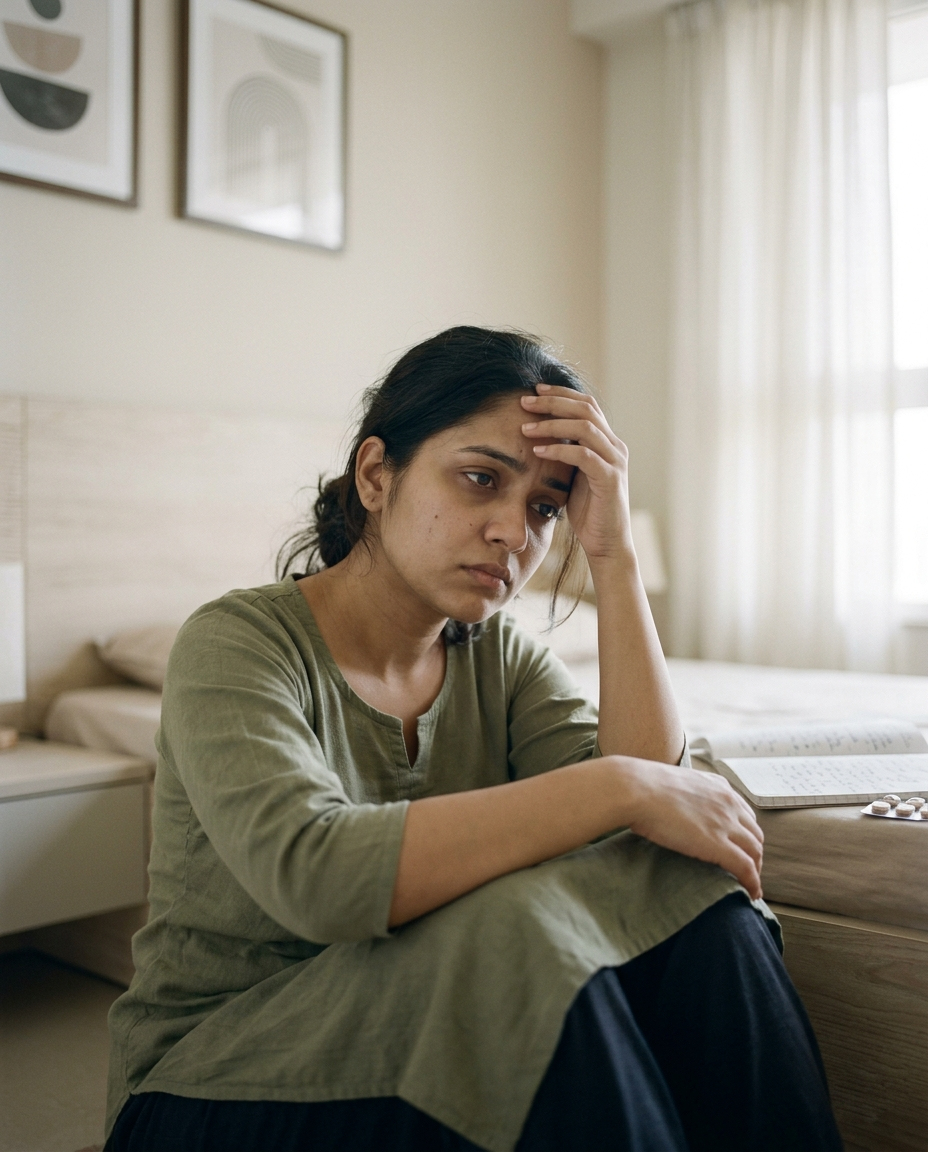
Living with bipolar disorder can feel overwhelming for both the person struggling and the family trying to help. Sudden changes in mood, energy, sleep, and behavior can disrupt work, study, relationships, and daily life. At CHALLENGES, we provide compassionate, structured, and professional bipolar disorder treatment in Bangladesh for individuals who need psychiatric care, therapy, emotional support, and a safe environment to stabilize. Our team works closely with each patient to reduce crisis, restore routine, improve emotional balance, and build a long-term treatment plan that supports recovery, dignity, hope, stability, and a more secure future with stronger daily functioning.
- Psychiatrist-led
- 24/7 Medical Assistance
- Individualized Treatment Plan

Our Bipolar Disorder Treatment Programs
Our treatment programs are designed for people who need structured psychiatric support, therapeutic care, emotional regulation, and a safe daily routine. We combine medical supervision, residential support, family guidance, and long-term follow-up to help patients regain stability.
Psychiatric Assessment & Stabilization
Our Psychiatric Assessment & Stabilization program helps patients in manic, depressive, or mixed states receive timely evaluation, medication planning, sleep support, and close monitoring in a safe, structured setting.

Inpatient/Residential Care
Our Inpatient / Residential Care program gives patients a calm, supervised space to step away from daily triggers, follow a healing routine, receive therapy, and stay supported by mental health professionals every day.
Aftercare
Our Aftercare program supports patients after residential treatment with follow-up sessions, relapse warning sign planning, routine guidance, and continued emotional support to help them stay stable in everyday life.
Family Counselling
Our Family Counseling program helps loved ones understand bipolar disorder, respond with more patience, reduce conflict at home, support treatment decisions, and become a stronger part of healing and long-term stability.
Understanding Bipolar Disorder
Bipolar disorder is a serious mental health condition that can cause episodes of unusually high mood, low mood, irritability, poor judgment, sleep problems, and emotional instability. With the right treatment, people can manage symptoms, reduce relapse, and live more stable lives.
- Mania can disturb sleep, judgment, spending, and control
- Depression can lower energy, hope, focus, and motivation
- Symptoms may disrupt study, work, marriage, and family life
- Early treatment helps reduce relapse, crisis, and confusion
AREAS OF SPECIALTY
Why Families Choose CHALLENGES for Bipolar Disorder Treatment

Structured Residential Support
A chaotic home environment, missed sleep, or ongoing conflict can worsen bipolar symptoms. Our residential setting gives patients a calm, supervised place to reset. With daily structure, medication support, therapy sessions, and guided routines, patients can move away from crisis and begin treatment in a safer, more stable environment.
Whole-Person Healing Routine
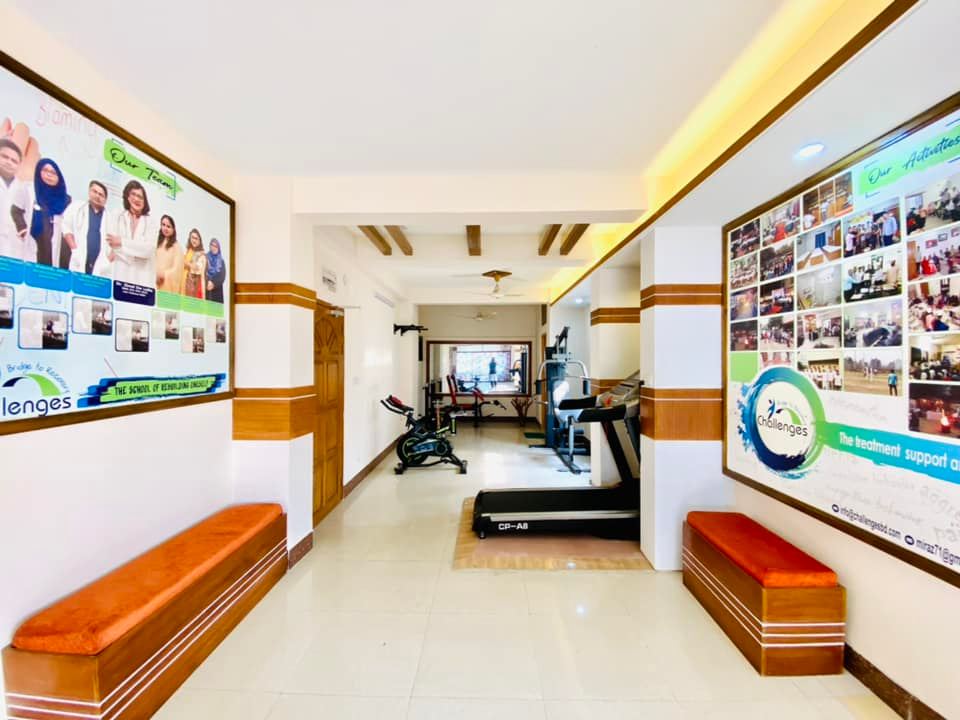
Recovery is not only about medicines. Patients also need routine, rest, movement, reflection, and meaningful daily engagement. Our center supports healing through a balanced environment that combines therapy, wellness activities, recreation, and personal care so patients can rebuild emotional stability with dignity and consistency.
Ongoing Psychiatric Follow-Up
Bipolar disorder often requires long-term follow-up, not one-time care. We help patients continue treatment with psychiatrist review, counseling support, progress monitoring, and relapse prevention planning. This ongoing approach helps families feel less alone and gives patients steadier support as they return to normal daily life.
Family-Guided Recovery Process
Families are often confused, exhausted, and unsure how to respond when a loved one’s behavior suddenly changes. Our family counseling approach helps guardians understand the condition, improve communication, lower tension at home, recognize warning signs early, and become a more confident part of the patient’s long-term recovery journey.
How Our Treatment Works
Our bipolar disorder treatment follows a clear step-by-step process, from psychiatric assessment to aftercare, so patients and families know what support to expect at every stage.
1
Assessment and Admission
We assess mood symptoms, risk, history, sleep, and support needs before admission.
2
Crisis Stabilization
We focus on safety, symptom control, sleep restoration, and psychiatrist-led review.
3
Core Residential Program
Patients follow therapy, routine, wellness, and guided recovery activities each day.
4
Family Support
Families receive practical guidance to reduce conflict and support treatment better.
5
Relapse Prevention Plan
We prepare warning sign plans, routines, and follow-up steps before discharge home.
6
Aftercare and Outpatient
Ongoing review and counseling help patients stay stable after residential treatment.
AREAS OF SPECIALTY
Therapy That Supports Emotional Balance and Better Daily Functioning
Therapy is an important part of bipolar disorder treatment, especially when it is combined with psychiatric care and medication support. We use structured therapeutic approaches to help patients understand patterns, manage emotions, improve coping skills, and build healthier daily habits.
Cognitive Behavioral Therapy (CBT)
- CBT helps patients notice harmful thinking patterns that can worsen hopelessness, irritability, fear, and unhealthy behavior. In bipolar disorder treatment, CBT can support mood awareness, routine building, trigger management, and problem-solving. It helps patients respond more thoughtfully instead of reacting in ways that damage relationships, treatment progress, daily functioning, trust within the family, or confidence in recovery.
Dialectical Behavior Therapy (DBT)
- DBT helps patients who struggle with intense emotions, impulsive reactions, stress, and relationship conflict. Through practical skills like mindfulness, distress tolerance, and emotional regulation, patients learn how to pause, communicate better, and handle difficult moments more safely. This can be especially helpful during recovery when emotional ups and downs still feel hard to manage and home situations remain sensitive.
Recovery Can Feel Far Away, But Stability Is Possible
When a loved one’s mood, sleep, behavior, and decisions start changing again and again, families often feel frightened, confused, and deeply tired. It can be hard to know whether to wait, argue, or seek urgent help.
That is why proper bipolar disorder treatment matters. With psychiatric care, therapy, structure, and family support, many people can regain control, return to daily life, and build a more stable future one step at a time.
Average Cost of Rehabilitation Programs
We specialize in providing inpatient rehabilitation programs for individuals who require structured, round-the-clock professional care. Our personalized treatment plans are designed to help patients overcome addiction, restore emotional stability, and return to healthier, more meaningful lives.
General
Inpatient rehabilitation programs provide round-the-clock care and support in a structured residential setting focused on recovery.
Premium
Inpatient rehabilitation programs provide round-the-clock care and support in a comfortable residential environment.
Extra Premium
Inpatient rehabilitation programs provide round-the-clock care and support in a private and supportive residential setting.
What is bipolar disorder treatment?
Bipolar disorder treatment usually includes psychiatric evaluation, medication management, therapy, family support, and relapse prevention. The goal is to reduce mood episodes, improve daily functioning, and help the patient stay stable over time.
When should someone be admitted for bipolar disorder treatment?
Admission may be needed when mood changes become severe, sleep is badly affected, behavior becomes unsafe, daily life breaks down, or the family can no longer manage the situation at home. A proper psychiatric assessment helps decide the right level of care.
Can bipolar disorder be treated in Bangladesh?
Yes. Bipolar disorder can be treated in Bangladesh through psychiatrist-led care, therapy, structured residential support, and follow-up services. What matters most is getting the right diagnosis, a clear treatment plan, and consistent care.
Is bipolar disorder curable?
Bipolar disorder is usually managed rather than permanently cured. Many people improve significantly with the right combination of medication, therapy, routine, sleep support, and family involvement. Long-term stability is possible with consistent treatment.
Is treatment confidential?
Yes, professional bipolar disorder treatment should protect patient privacy and family confidentiality. This is especially important in Bangladesh, where many families worry about stigma, social pressure, and being misunderstood by others.
Schedule a Free
Consultation Online
Can't find what you're looking for?