Gaming Addiction Treatment in Bangladesh
When gaming starts controlling sleep, studies, work, mood, or family life, it may be time to seek professional help. Our Gaming Addiction Treatment in Bangladesh is designed for teenagers and adults who feel stuck in a cycle of late-night gaming, irritability, social withdrawal, and loss of control. At CHALLENGES, we provide compassionate, structured care through psychiatric support, therapy, routine rebuilding, and family involvement. We also understand how gaming addiction can overlap with smartphone addiction, reels watching, anxiety, and low motivation. Recovery is possible with the right support, a personalized treatment plan, and a safe place to reset life.
- Psychiatrist-led
- 24/7 Medical Assistance
- Individualized Treatment Plan

Treatment Programs for Gaming Addiction Recovery
Our treatment programs are built to help individuals reduce compulsive gaming, regain emotional balance, rebuild daily structure, and reconnect with family, education, work, and real life responsibilities through supervised, evidence-based care.
Medical Detox
Our Medical Detox supports patients who also face substance use, severe sleep disruption, anxiety, or emotional instability, helping them begin recovery safely under medical supervision before deeper therapy starts.

Inpatient/Residential
Our Inpatient and Residential Program gives patients a structured space away from triggers, with daily therapy, psychiatric care, routine rebuilding, healthy routines, and round the clock support focused on gaming recovery.
Aftercare
Our Aftercare Program helps patients return to daily life with continued counseling, relapse prevention guidance, routine monitoring, and support to manage urges, screen habits, and emotional triggers with confidence.
Family Counselling
Our Family Counseling helps parents, spouses, and loved ones understand gaming addiction, improve communication, set healthy boundaries, and support recovery without constant conflict, blame, or confusion at home together.

When Gaming Starts Taking Over Daily Life
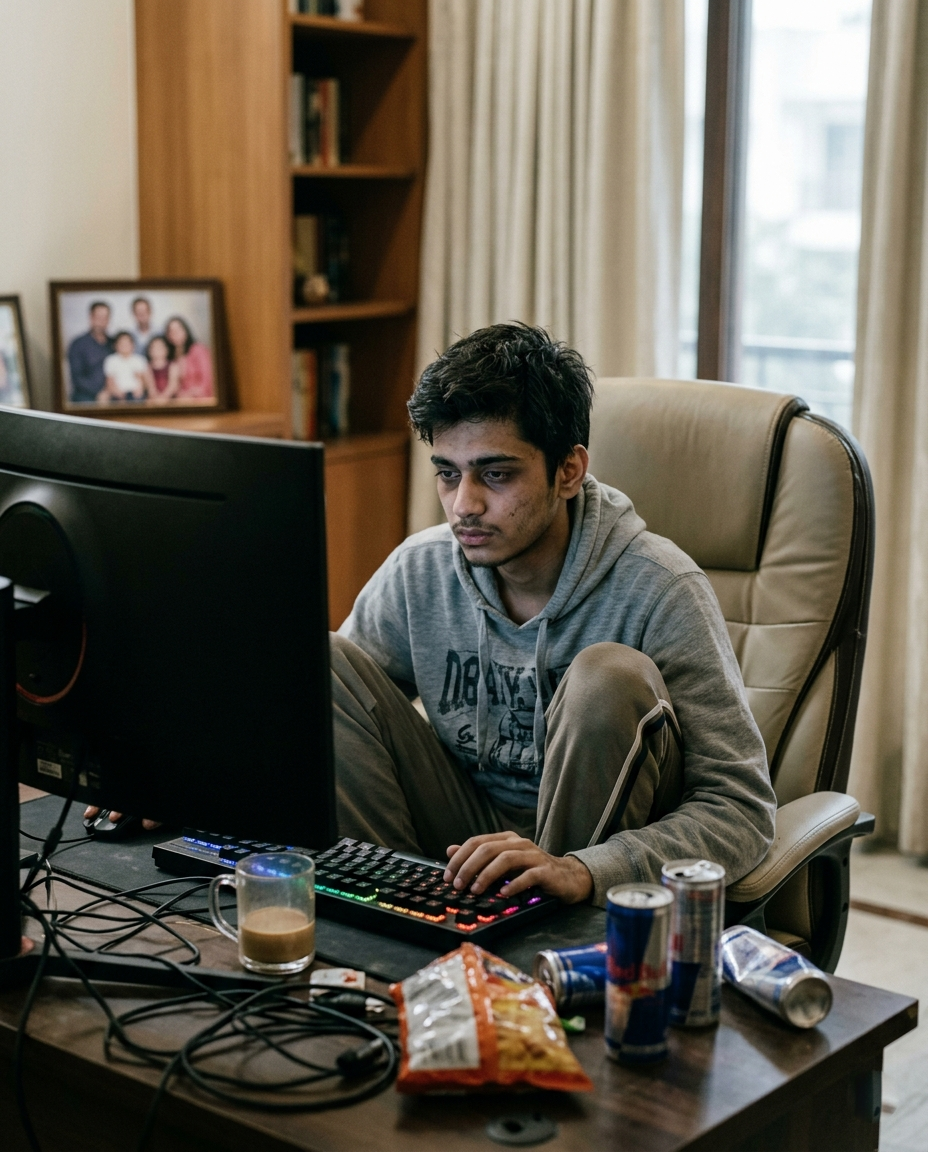
Gaming addiction can slowly take over sleep, studies, mood, relationships, and self control. What begins as entertainment can turn into compulsive screen use, emotional dependence, irritability, isolation, and daily life disruption, especially when gaming, reels, and smartphone habits start replacing real world routines.
- Late night gaming starts affecting sleep, energy, and routine
- Studies, work, or family life suffer as screen time increases
- Irritability rises when gaming is interrupted or restricted
- Games, reels, and phone use replace hobbies and connection
AREAS OF SPECIALTY
Why Families Choose CHALLENGES for Gaming Addiction Treatment

Structured Healing Environment
Inside our residential program, patients follow a clear daily routine with therapy, psychiatric care, rest, meals, wellness activities, and time away from digital triggers. This structure helps reduce chaotic screen habits, rebuild discipline, improve sleep, and create the stability needed for real emotional and behavioral recovery.
More Than Just Symptom Control
We do not only focus on stopping excessive gaming. Our team works on the reasons behind it, including loneliness, stress, anxiety, low motivation, family conflict, and unhealthy screen coping patterns. That means treatment is built around emotional recovery, better habits, and long term change that continues well after discharge.
Family Involvement That Matters
Gaming addiction affects the whole home, not only the patient. We help families understand warning signs, reduce blame, communicate more calmly, and set healthy boundaries around phones, games, and routines. When families become part of treatment, recovery feels more supported, practical, and sustainable in everyday life at home.
Continuity After Residential Care
Leaving rehab can feel challenging when old triggers return. Our aftercare focus helps patients maintain progress through follow up counseling, relapse prevention planning, emotional support, and routine guidance. The goal is not short term control, but helping each person protect recovery while returning to study, work, and family life.
How Our Gaming Addiction Treatment Works
Our treatment process is designed to move step by step, from assessment and stabilization to therapy, family support, relapse prevention, and continued care after discharge safely.
1
Assessment and Admission
We assess gaming patterns, emotional health, family concerns, and treatment needs.
2
Detox and Stabilization
We stabilize sleep, stress, mood, and harmful screen habits with close clinical support.
3
Core Residential Program
Daily therapy, routine rebuilding, and psychiatric care guide deeper recovery work.
4
Family Support
Families receive guidance, education, and tools to support recovery more calmly at home.
5
Relapse Prevention Plan
We build a practical plan for triggers, urges, phones, games, and routines daily.
6
Aftercare and Outpatient
Follow up sessions help patients stay steady after returning to study, work, and home.
AREAS OF SPECIALTY
Therapy That Goes Beyond Taking the Phone Away
Many families in Bangladesh see the damage from gaming addiction but do not know why the person cannot simply stop. Our therapy approach looks beyond the screen and works on thoughts, emotions, triggers, and behavior patterns that keep the cycle going, so treatment feels personal and practical.
Cognitive Behavioral Therapy (CBT)
- CBT helps patients notice the thoughts and habits that keep gaming addiction active. This may include thinking gaming is the only way to relax, avoid pressure, feel successful, or escape family stress. In treatment, patients learn to challenge those patterns, manage urges, rebuild routines, and respond to boredom, frustration, or disappointment without always turning back to games, reels, or nonstop phone use again and again.
Dialectical Behavior Therapy (DBT)
- DBT is especially helpful when gaming addiction is tied to intense emotions, anger, impulsive behavior, or unstable routines. It teaches patients practical skills for emotional control, distress tolerance, mindfulness, and better communication. This helps them pause before reacting, handle pressure more calmly, and stay grounded when they feel the urge to escape into gaming, reels, smartphone scrolling, or conflict at home each day.
When Gaming Becomes an Emotional Escape
- Gaming addiction is rarely only about games. For many people, gaming becomes a way to escape stress, loneliness, frustration, academic pressure, or emotional pain. That is why our treatment uses therapies like CBT and DBT to help patients understand what is driving the behavior, not just stop the screen time for a few days.
Average Cost of Rehabilitation Programs
We specialize in providing inpatient rehabilitation programs for individuals who require structured, round-the-clock professional care. Our personalized treatment plans are designed to help patients overcome addiction, restore emotional stability, and return to healthier, more meaningful lives.
General
Inpatient rehabilitation programs provide round-the-clock care and support in a structured residential setting focused on recovery.
Premium
Inpatient rehabilitation programs provide round-the-clock care and support in a comfortable residential environment.
Extra Premium
Inpatient rehabilitation programs provide round-the-clock care and support in a private and supportive residential setting.
How do I know if gaming has become an addiction?
If gaming is harming sleep, studies, work, mood, hygiene, or family life and the person still cannot cut down, it may be more than a habit. A proper clinical assessment can help you understand the severity and decide the right next step.
Can gaming addiction be treated in a rehab center?
Yes. When gaming starts affecting daily functioning, treatment may include assessment, psychiatric support, psychotherapy, family counseling, routine rebuilding, and aftercare. The right plan depends on how severe the problem has become.
Do you treat teenagers for gaming addiction?
Gaming addiction can affect teenagers as well as adults. Treatment should be age appropriate, family involved, and focused on behavior, emotions, routines, and school or study related disruption, not only screen restriction.
What therapies work best for gaming addiction?
Talk therapy is one of the main treatment approaches. CBT is often used to change unhealthy thoughts and habits, while DBT can help with emotional control, impulsivity, and stress related gaming behavior.
Will family counseling really help?
In many cases, yes. Family counseling can reduce blame, improve communication, set healthier boundaries, and help everyone respond more calmly and consistently during recovery, especially when home conflict has become part of the problem.
Schedule a Free
Consultation Online
Can't find what you're looking for?