বাংলাদেশে গেমিং আসক্তির চিকিৎসা
যখন গেমিং ঘুম, পড়াশোনা, কাজ, মেজাজ বা পারিবারিক জীবনকে নিয়ন্ত্রণ করতে শুরু করে, তখন পেশাদার সহায়তা নেওয়ার সময় হতে পারে। আমাদের বাংলাদেশে গেমিং আসক্তির চিকিৎসা প্রোগ্রামটি কিশোর এবং প্রাপ্তবয়স্কদের জন্য তৈরি, যারা রাত জেগে গেম খেলা, বিরক্তিভাব, সামাজিকভাবে নিজেকে গুটিয়ে নেওয়া এবং নিয়ন্ত্রণ হারানোর একটি চক্রে আটকে আছেন। চ্যালেঞ্জেস-এ আমরা সহানুভূতিশীল ও কাঠামোবদ্ধ যত্ন প্রদান করি—সাইকিয়াট্রিক সহায়তা, থেরাপি, দৈনন্দিন রুটিন পুনর্গঠন এবং পারিবারিক অংশগ্রহণের মাধ্যমে। আমরা এটাও বুঝি যে গেমিং আসক্তি অনেক সময় স্মার্টফোন আসক্তি, রিল দেখা, উদ্বেগ এবং কম অনুপ্রেরণার সাথে সম্পর্কিত হতে পারে। সঠিক সহায়তা, ব্যক্তিকেন্দ্রিক চিকিৎসা পরিকল্পনা এবং একটি নিরাপদ পরিবেশে জীবন পুনরায় গুছিয়ে নেওয়ার মাধ্যমে সুস্থতা সম্ভব।
- মনোরোগ বিশেষজ্ঞের নেতৃত্বে
- ২৪/৭ চিকিৎসা সহায়তা
- ব্যক্তিগতভাবে উপযোগী চিকিৎসা পরিকল্পনা

গেমিং আসক্তি পুনরুদ্ধারের চিকিৎসা প্রোগ্রামসমূহ
আমাদের চিকিৎসা প্রোগ্রামগুলো এমনভাবে তৈরি করা হয়েছে যাতে ব্যক্তিরা বাধ্যতামূলক গেমিং কমাতে পারে, আবেগগত ভারসাম্য পুনরুদ্ধার করতে পারে, দৈনন্দিন কাঠামো পুনর্গঠন করতে পারে এবং তত্ত্বাবধানে থাকা প্রমাণভিত্তিক চিকিৎসার মাধ্যমে পরিবার, শিক্ষা, কাজ এবং বাস্তব জীবনের দায়িত্বের সাথে পুনরায় সংযুক্ত হতে পারে।
মেডিকেল ডিটক্স
আমাদের মেডিকেল ডিটক্স প্রোগ্রাম এমন রোগীদের সহায়তা করে যারা পাশাপাশি মাদক ব্যবহার, গুরুতর ঘুমের সমস্যা, উদ্বেগ বা আবেগগত অস্থিরতার মুখোমুখি হন। চিকিৎসকের তত্ত্বাবধানে নিরাপদভাবে সুস্থতার যাত্রা শুরু করতে এটি সাহায্য করে, যাতে পরবর্তী গভীর থেরাপির জন্য একটি স্থিতিশীল ভিত্তি তৈরি হয়।

আবাসিক রিহ্যাব
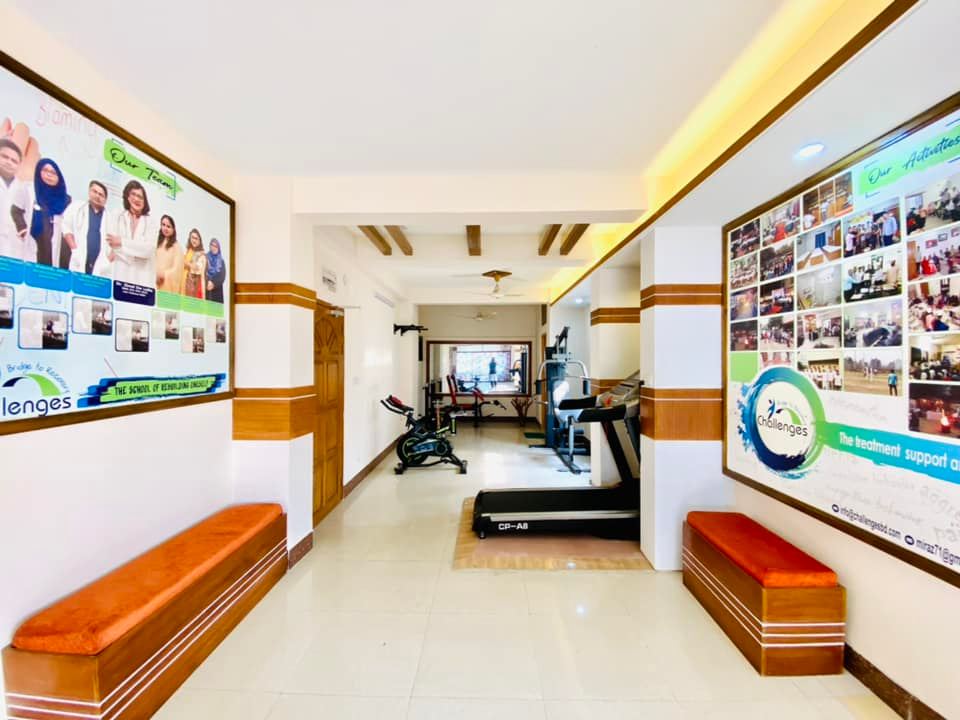
আমাদের ইনপেশেন্ট এবং রেসিডেনশিয়াল প্রোগ্রাম রোগীদের জন্য একটি কাঠামোবদ্ধ পরিবেশ প্রদান করে, যেখানে তারা ট্রিগার থেকে দূরে থাকে। এখানে দৈনিক থেরাপি, সাইকিয়াট্রিক চিকিৎসা, দৈনন্দিন রুটিন পুনর্গঠন, স্বাস্থ্যকর অভ্যাস গড়ে তোলা এবং ২৪ ঘণ্টা সহায়তার মাধ্যমে গেমিং আসক্তি পুনরুদ্ধারের উপর বিশেষভাবে কাজ করা হয়।
চিকিৎসা পরবর্তী যত্ন
আমাদের আফটারকেয়ার প্রোগ্রাম রোগীদের দৈনন্দিন জীবনে ফিরে যেতে সহায়তা করে, যেখানে চলমান কাউন্সেলিং, রিল্যাপ্স প্রতিরোধ নির্দেশনা, রুটিন মনিটরিং এবং আকাঙ্ক্ষা, স্ক্রিন ব্যবহার ও আবেগগত ট্রিগারগুলো আত্মবিশ্বাসের সাথে নিয়ন্ত্রণ করার জন্য সহায়তা প্রদান করা হয়।
পারিবারিক কাউন্সেলিং
আমাদের পারিবারিক কাউন্সেলিং বাবা-মা, জীবনসঙ্গী এবং প্রিয়জনদের গেমিং আসক্তি সম্পর্কে বুঝতে সাহায্য করে, যোগাযোগ উন্নত করে, স্বাস্থ্যকর সীমারেখা নির্ধারণ করতে শেখায় এবং বাড়িতে ক্রমাগত দ্বন্দ্ব, দোষারোপ বা বিভ্রান্তি ছাড়াই একসাথে সুস্থতায় সহায়তা করতে নির্দেশনা দেয়।
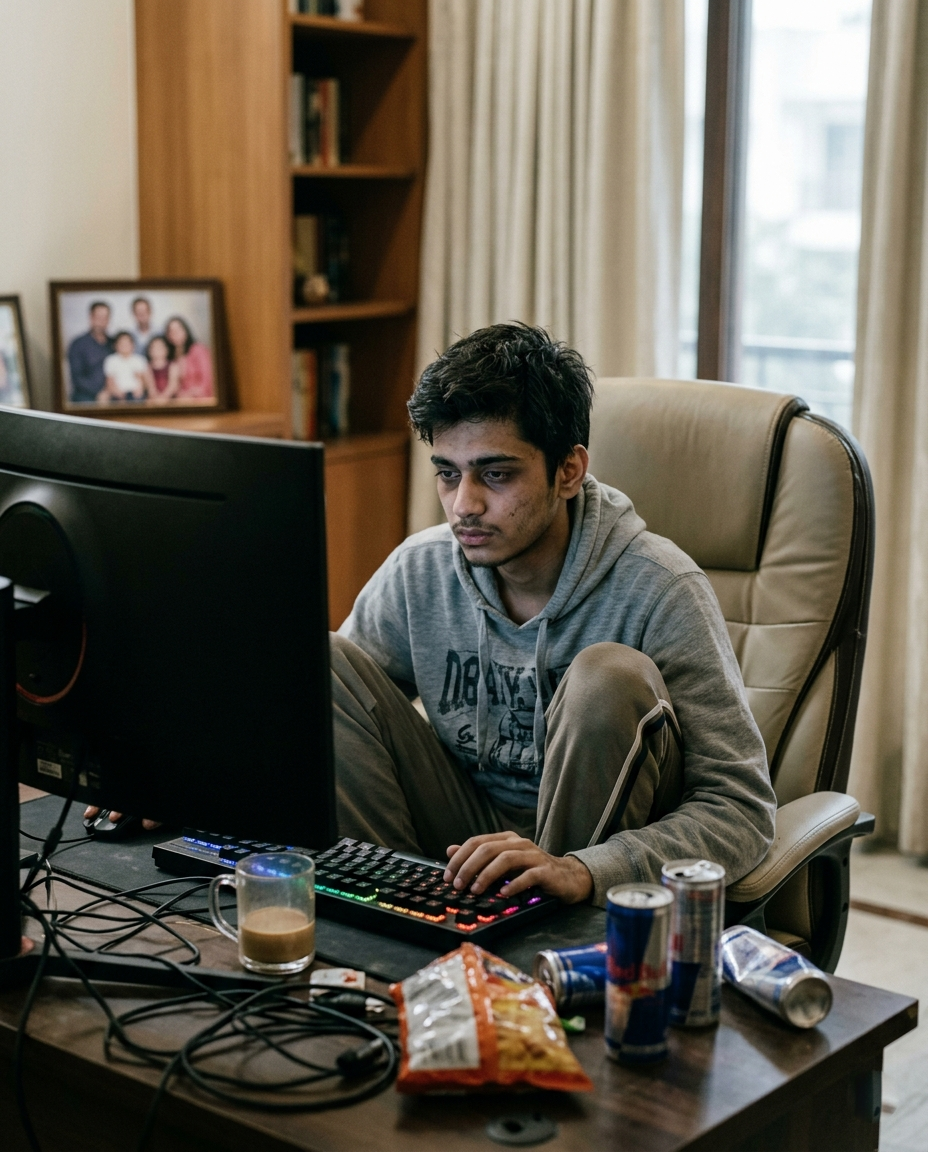
যখন গেমিং দৈনন্দিন জীবনকে নিয়ন্ত্রণ করতে শুরু করে
গেমিং আসক্তি ধীরে ধীরে ঘুম, পড়াশোনা, মেজাজ, সম্পর্ক এবং আত্মনিয়ন্ত্রণকে প্রভাবিত করতে পারে। যা শুরুতে বিনোদন হিসেবে থাকে, তা পরে বাধ্যতামূলক স্ক্রিন ব্যবহারে পরিণত হতে পারে—যেখানে আবেগগত নির্ভরতা, বিরক্তিভাব, একাকীত্ব এবং দৈনন্দিন জীবনের ব্যাঘাত দেখা দেয়, বিশেষ করে যখন গেমিং, রিল দেখা এবং স্মার্টফোন ব্যবহারের অভ্যাস বাস্তব জীবনের রুটিনকে প্রতিস্থাপন করতে শুরু করে।
- রাত জেগে গেমিং ঘুম, শক্তি এবং দৈনন্দিন রুটিনকে প্রভাবিত করতে শুরু করে
- স্ক্রিন টাইম বাড়ার সাথে সাথে পড়াশোনা, কাজ বা পারিবারিক জীবন ক্ষতিগ্রস্ত হতে পারে।
- গেমিং বাধাগ্রস্ত বা সীমিত হলে বিরক্তিভাব বেড়ে যায়
- গেম, রিল এবং ফোন ব্যবহার ধীরে ধীরে শখ ও বাস্তব জীবনের সম্পর্কের বিকল্প হয়ে যায়
বিশেষায়িত সেবার ক্ষেত্রসমূহ
পরিবারগুলো কেন গেমিং আসক্তির চিকিৎসার জন্য CHALLENGES নির্বাচন করে

সংগঠিত সুস্থতার পরিবেশ
আমাদের ইনপেশেন্ট প্রোগ্রামে রোগীরা একটি স্পষ্ট দৈনন্দিন রুটিন অনুসরণ করে, যেখানে থেরাপি, সাইকিয়াট্রিক চিকিৎসা, বিশ্রাম, খাবার, সুস্থতা কার্যক্রম এবং ডিজিটাল ট্রিগার থেকে দূরে থাকার সময় অন্তর্ভুক্ত থাকে। এই কাঠামো বিশৃঙ্খল স্ক্রিন ব্যবহারের অভ্যাস কমাতে, শৃঙ্খলা পুনর্গঠন করতে, ঘুম উন্নত করতে এবং বাস্তব আবেগগত ও আচরণগত সুস্থতার জন্য প্রয়োজনীয় স্থিতিশীলতা তৈরি করতে সহায়তা করে।
শুধু উপসর্গ নিয়ন্ত্রণের চেয়েও বেশি
আমরা শুধু অতিরিক্ত গেমিং বন্ধ করার উপরই ফোকাস করি না। আমাদের টিম এর পেছনের কারণগুলো নিয়েও কাজ করে, যেমন একাকীত্ব, স্ট্রেস, উদ্বেগ, কম অনুপ্রেরণা, পারিবারিক দ্বন্দ্ব এবং অস্বাস্থ্যকর স্ক্রিন-নির্ভর মোকাবিলা করার অভ্যাস। এর ফলে চিকিৎসা শুধু উপসর্গ নিয়ন্ত্রণ নয়, বরং আবেগগত সুস্থতা, ভালো অভ্যাস এবং দীর্ঘমেয়াদি পরিবর্তনের উপর ভিত্তি করে গড়ে ওঠে, যা ডিশচার্জের পরেও বজায় থাকে।
যে পারিবারিক সম্পৃক্ততা সত্যিই গুরুত্বপূর্ণ
গেমিং আসক্তি শুধু রোগীকে নয়, পুরো পরিবারকেই প্রভাবিত করে। আমরা পরিবারগুলোকে সতর্ক সংকেতগুলো বুঝতে সাহায্য করি, দোষারোপ কমাতে, শান্তভাবে যোগাযোগ করতে এবং ফোন, গেম ও দৈনন্দিন রুটিনের ক্ষেত্রে স্বাস্থ্যকর সীমারেখা নির্ধারণ করতে শেখাই। পরিবার যখন চিকিৎসার অংশ হয়ে ওঠে, তখন ঘরে প্রতিদিনের জীবনে সুস্থতা আরও সহায়ক, বাস্তবসম্মত এবং টেকসই হয়ে ওঠে।
রেসিডেনশিয়াল কেয়ারের পর ধারাবাহিকতা
রিহ্যাব ছেড়ে আসা অনেক সময় চ্যালেঞ্জিং মনে হতে পারে, যখন পুরোনো ট্রিগারগুলো আবার ফিরে আসে। আমাদের আফটারকেয়ার ফোকাস রোগীদের অগ্রগতি ধরে রাখতে সাহায্য করে—ফলো-আপ কাউন্সেলিং, রিল্যাপ্স প্রতিরোধ পরিকল্পনা, আবেগগত সহায়তা এবং রুটিন নির্দেশনার মাধ্যমে। আমাদের লক্ষ্য শুধু স্বল্পমেয়াদি নিয়ন্ত্রণ নয়, বরং প্রতিটি ব্যক্তিকে সুস্থতা রক্ষা করতে সহায়তা করা, যখন তারা আবার পড়াশোনা, কাজ এবং পারিবারিক জীবনে ফিরে যায়।
আমাদের গেমিং আসক্তির চিকিৎসা কীভাবে কাজ করে
আমাদের চিকিৎসা প্রক্রিয়াটি ধাপে ধাপে অগ্রসর হওয়ার জন্য তৈরি করা হয়েছে, যেখানে মূল্যায়ন ও স্থিতিশীলতা থেকে শুরু করে থেরাপি, পারিবারিক সহায়তা, রিল্যাপ্স প্রতিরোধ এবং ডিসচার্জের পরেও ধারাবাহিকভাবে নিরাপদ যত্ন প্রদান করা হয়।
1
মূল্যায়ন ও ভর্তি
আমরা গেমিংয়ের ধরন, মানসিক অবস্থা, পারিবারিক সমস্যা এবং চিকিৎসার প্রয়োজনীয়তা মূল্যায়ন করি।
2
ডিটক্স ও শারীরিক স্থিতিশীলতা
আমরা ঘুম, স্ট্রেস, মেজাজ এবং ক্ষতিকর স্ক্রিন অভ্যাসকে নিবিড় ক্লিনিক্যাল সহায়তার মাধ্যমে স্থিতিশীল করি।
3
মূল আবাসিক চিকিৎসা কর্মসূচি
দৈনিক থেরাপি, রুটিন পুনর্গঠন এবং সাইকিয়াট্রিক চিকিৎসা গভীর সুস্থতার কাজকে নির্দেশনা দেয়।
4
পারিবারিক সহায়তা
পরিবারগুলোকে নির্দেশনা, শিক্ষা এবং প্রয়োজনীয় টুলস প্রদান করা হয়, যাতে তারা বাড়িতে আরও শান্তভাবে সুস্থতায় সহায়তা করতে পারে।
5
পুনরায় আসক্তি প্রতিরোধ পরিকল্পনা
আমরা প্রতিদিনের জন্য ট্রিগার, আকাঙ্ক্ষা, ফোন, গেম এবং রুটিন নিয়ন্ত্রণের একটি বাস্তবসম্মত পরিকল্পনা তৈরি করি।
6
পরবর্তী যত্ন ও আউটপেশেন্ট সেবা
ফলো-আপ সেশনগুলো রোগীদের পড়াশোনা, কাজ এবং বাড়িতে ফিরে যাওয়ার পর স্থিতিশীল থাকতে সাহায্য করে।
বিশেষায়িত সেবার ক্ষেত্রসমূহ
ফোন সরিয়ে নেওয়ার চেয়েও গভীর থেরাপি
বাংলাদেশের অনেক পরিবার গেমিং আসক্তির ক্ষতি দেখতে পায়, কিন্তু বুঝতে পারে না কেন ব্যক্তি শুধু চেষ্টা করলেই থেমে যেতে পারে না। আমাদের থেরাপি পদ্ধতি শুধু স্ক্রিনের বাইরে গিয়ে কাজ করে এবং সেই চিন্তা, আবেগ, ট্রিগার ও আচরণগত প্যাটার্ন নিয়ে কাজ করে যা এই চক্রকে চালিয়ে রাখে, যাতে চিকিৎসা ব্যক্তিকেন্দ্রিক এবং বাস্তবসম্মত হয়।
কগনিটিভ বিহেভিয়রাল থেরাপি (সিবিটি)
- CBT রোগীদের সেই চিন্তা ও অভ্যাসগুলো বুঝতে সাহায্য করে যা গেমিং আসক্তিকে সক্রিয় রাখে। এর মধ্যে থাকতে পারে এই বিশ্বাস যে গেমিংই একমাত্র উপায় বিশ্রাম নেওয়ার, চাপ এড়ানোর, সফলতা অনুভব করার বা পারিবারিক স্ট্রেস থেকে পালানোর। চিকিৎসার সময় রোগীরা এই ধরণগুলোকে চ্যালেঞ্জ করতে শেখে, আকাঙ্ক্ষা নিয়ন্ত্রণ করতে পারে, রুটিন পুনর্গঠন করে এবং বিরক্তি, হতাশা বা একঘেয়েমির মতো অনুভূতির মুখোমুখি হয়ে আবারও বারবার গেম, রিল বা অতিরিক্ত ফোন ব্যবহারের দিকে ফিরে না গিয়ে সেগুলো মোকাবিলা করতে শেখে।
ডায়ালেক্টিক্যাল বিহেভিয়র থেরাপি (ডিবিটি)
- DBT বিশেষভাবে সহায়ক যখন গেমিং আসক্তি তীব্র আবেগ, রাগ, অপ্রতিরোধ্য আচরণ বা অস্থিতিশীল রুটিনের সাথে যুক্ত থাকে। এটি রোগীদের আবেগ নিয়ন্ত্রণ, কষ্ট সহ্য করার ক্ষমতা, মাইন্ডফুলনেস এবং উন্নত যোগাযোগের মতো বাস্তব দক্ষতা শেখায়। এর ফলে তারা প্রতিক্রিয়া জানানোর আগে থামতে পারে, চাপ আরও শান্তভাবে মোকাবিলা করতে পারে এবং যখন গেমিং, রিল, স্মার্টফোন স্ক্রলিং বা পারিবারিক দ্বন্দ্ব থেকে পালিয়ে যাওয়ার তাগিদ অনুভব হয়, তখন প্রতিদিন নিজেকে স্থিতিশীল রাখতে পারে।
যখন গেমিং একটি আবেগগত পালানোর উপায় হয়ে ওঠে
- গেমিং আসক্তি খুব কম ক্ষেত্রেই শুধু গেমসের কারণে হয়। অনেক মানুষের জন্য গেমিং হয়ে ওঠে স্ট্রেস, একাকীত্ব, হতাশা, পড়াশোনার চাপ বা মানসিক কষ্ট থেকে পালানোর একটি উপায়। তাই আমাদের চিকিৎসায় CBT এবং DBT-এর মতো থেরাপি ব্যবহার করা হয়, যাতে রোগীরা শুধু কয়েক দিনের জন্য স্ক্রিন টাইম বন্ধ না করে বুঝতে পারে কোন বিষয়গুলো তাদের এই আচরণে প্রভাব ফেলছে।
পুনর্বাসন চিকিৎসার গড় খরচ
আমরা এমন ব্যক্তিদের জন্য আবাসিক পুনর্বাসন কর্মসূচি প্রদান করি, যাদের জন্য সুসংগঠিত ও ২৪ ঘণ্টা পেশাদার তত্ত্বাবধান প্রয়োজন। আমাদের ব্যক্তিগতভাবে উপযোগী চিকিৎসা পরিকল্পনা রোগীদের আসক্তি কাটিয়ে উঠতে, মানসিক স্থিতিশীলতা পুনরুদ্ধার করতে এবং একটি আরও সুস্থ ও অর্থবহ জীবনে ফিরে যেতে সহায়তা করে।
সাধারণ ক্যাটাগরি
আবাসিক পুনর্বাসন কর্মসূচি একটি সুসংগঠিত পরিবেশে ২৪ ঘণ্টা যত্ন ও সহায়তা প্রদান করে, যেখানে সম্পূর্ণভাবে সুস্থতার প্রক্রিয়ার উপর গুরুত্ব দেওয়া হয়।
প্রিমিয়াম ক্যাটাগরি
আবাসিক পুনর্বাসন কর্মসূচি একটি আরামদায়ক পরিবেশে ২৪ ঘণ্টা যত্ন ও সহায়তা প্রদান করে।
এক্সট্রা প্রিমিয়াম ক্যাটাগরি
আবাসিক পুনর্বাসন কর্মসূচি একটি ব্যক্তিগত ও সহায়ক পরিবেশে ২৪ ঘণ্টা যত্ন ও সহায়তা প্রদান করে।
How do I know if gaming has become an addiction?
If gaming is harming sleep, studies, work, mood, hygiene, or family life and the person still cannot cut down, it may be more than a habit. A proper clinical assessment can help you understand the severity and decide the right next step.
Can gaming addiction be treated in a rehab center?
Yes. When gaming starts affecting daily functioning, treatment may include assessment, psychiatric support, psychotherapy, family counseling, routine rebuilding, and aftercare. The right plan depends on how severe the problem has become.
Do you treat teenagers for gaming addiction?
Gaming addiction can affect teenagers as well as adults. Treatment should be age appropriate, family involved, and focused on behavior, emotions, routines, and school or study related disruption, not only screen restriction.
What therapies work best for gaming addiction?
Talk therapy is one of the main treatment approaches. CBT is often used to change unhealthy thoughts and habits, while DBT can help with emotional control, impulsivity, and stress related gaming behavior.
Will family counseling really help?
In many cases, yes. Family counseling can reduce blame, improve communication, set healthier boundaries, and help everyone respond more calmly and consistently during recovery, especially when home conflict has become part of the problem.
অনলাইনে একটি বিনামূল্যের
পরামর্শ সেশন নির্ধারণ করুন
আপনি যা খুঁজছেন তা কি খুঁজে পাচ্ছেন না?