Medical Detox Treatment Program in Bangladesh
When someone is trapped in alcohol, yaba, heroin, sleeping pill, or other drug dependence, the first fear is often withdrawal. Families worry about safety, patients fear the pain, and many delay treatment until the situation becomes harder to manage at home, at work, or in daily life.
Our Medical Detox Treatment Program in Bangladesh gives patients a safer, medically supervised start to recovery. At Challenges BD, psychiatrists, medical professionals, and trained staff monitor symptoms, manage discomfort, support emotional stability, and guide each patient toward the next stage of treatment with dignity, privacy, compassion, and steady clinical care.
- Psychiatrist-led
- 24/7 Medical Assistance
- Individualized Treatment Plan
Medically Supervised Detox
-
Safe detoxification under the care of psychiatrists, medical professionals, and trained staff who monitor withdrawal closely, manage risk early, and help each patient begin recovery in a more stable and protected way.
Withdrawal Symptom Management
- From cravings, tremors, sweating, sleeplessness, anxiety, and restlessness to mood changes, our team works to reduce discomfort, support stability, and help patients move through detox with more safety and confidence.
24/7 Medical Monitoring
- Round-the-clock observation helps us track vital signs, respond to sudden complications, adjust support when symptoms change, and give patients and families greater confidence during the most physically difficult early stage.
AREAS OF SPECIALTY
Therapeutic Support That Makes Detox More Effective
Medical detox is not only about getting through withdrawal. It is also the stage where patients begin to understand cravings, fear, shame, and resistance. Our program combines medical safety with early therapy support so recovery can move forward with more clarity, trust, and stability.
Cognitive Behavioral Therapy (CBT)
CBT helps patients notice the thoughts that keep them stuck during early recovery, such as fear of withdrawal, hopelessness, shame, or the belief that they cannot live without a substance. In our detox program, CBT-based support helps patients challenge those thoughts, understand triggers, and build simple coping responses that prepare them for residential treatment, relapse prevention, and a healthier daily routine after detox.
Dialectical Behavior Therapy (DBT)
DBT-informed support helps patients handle intense emotions without acting on cravings or panic. During detox, some people feel angry, overwhelmed, or emotionally shut down. We use practical DBT-based skills such as grounding, distress tolerance, mindfulness, and emotional regulation to help patients stay calmer, communicate better, and move through this difficult phase with more control, patience, and less impulsive behavior.
How Medical Detox Program Works
Our medical detox process is designed to make withdrawal safer, calmer, and more organized while preparing each patient for deeper treatment, family healing, and long-term recovery.
1
Assessment and Admission
We review substance use, health risks, and history to plan a safe detox admission.
2
Detox and Stabilization
Medical support begins, withdrawal is monitored, and the body starts to stabilize.
3
Core Residential Program
After detox, patients move into structured therapy and steady daily recovery support.
4
Family Support
Families receive guidance so they can respond with clarity, calm, and better support.
5
Dual-Diagnosis Support
Mental health symptoms are assessed alongside addiction for safer, joined-up care.
6
Relapse Prevention
Patients learn triggers, warning signs, and practical tools to protect recovery.
7
Discharge Planning
We prepare the next step of care before discharge to reduce stress, gaps, and risk.
8
Aftercare and Outpatient
Follow-up support helps patients stay connected to recovery after leaving detox.
What you will receive in this program
This program gives patients medical safety, emotional support, and a clear recovery structure so they do not leave detox physically stabilized but mentally unprepared for the next step.
Detoxification
Medical detox support helps the body withdraw more safely under close observation.
Dual Diagnosis support
Mental health symptoms are reviewed & supported alongside detox care with safety.
Cognitive Behavioral Therapy
CBT-based support helps patients challenge harmful thinking and relapse patterns.
Psychoeducation
Patients learn what addiction, withdrawal, triggers, and recovery really involve.
Group Therapy
Guided group sessions reduce isolation and build motivation through shared support.
Prayers and Islamic Sessions
Faith-based reflection offers comfort, meaning, and moral strength during healing.
Individual Counseling
One-to-one sessions help patients discuss fear, cravings, shame, and personal stress.
Family Counseling
Families learn how to support recovery without blame, panic, or harmful enabling.
Couple Counseling
Couples get help to rebuild trust, boundaries, and healthier communication patterns.
Family Group Counseling
Joint sessions help families understand addiction and respond more supportively.
Average Cost of Rehabilitation Programs
We specialize in providing inpatient rehabilitation programs for individuals who require structured, round-the-clock professional care. Our personalized treatment plans are designed to help patients overcome addiction, restore emotional stability, and return to healthier, more meaningful lives.
General
Inpatient rehabilitation programs provide round-the-clock care and support in a structured residential setting focused on recovery.
- Gym
- Library
Premium
Inpatient rehabilitation programs provide round-the-clock care and support in a comfortable residential environment.
- Air Conditioning
- Extra Food
- Gym
- Library
Extra Premium
Inpatient rehabilitation programs provide round-the-clock care and support in a private and supportive residential setting.
- Extra Food
- Air Conditioning
- Gym
- Library
Amenities
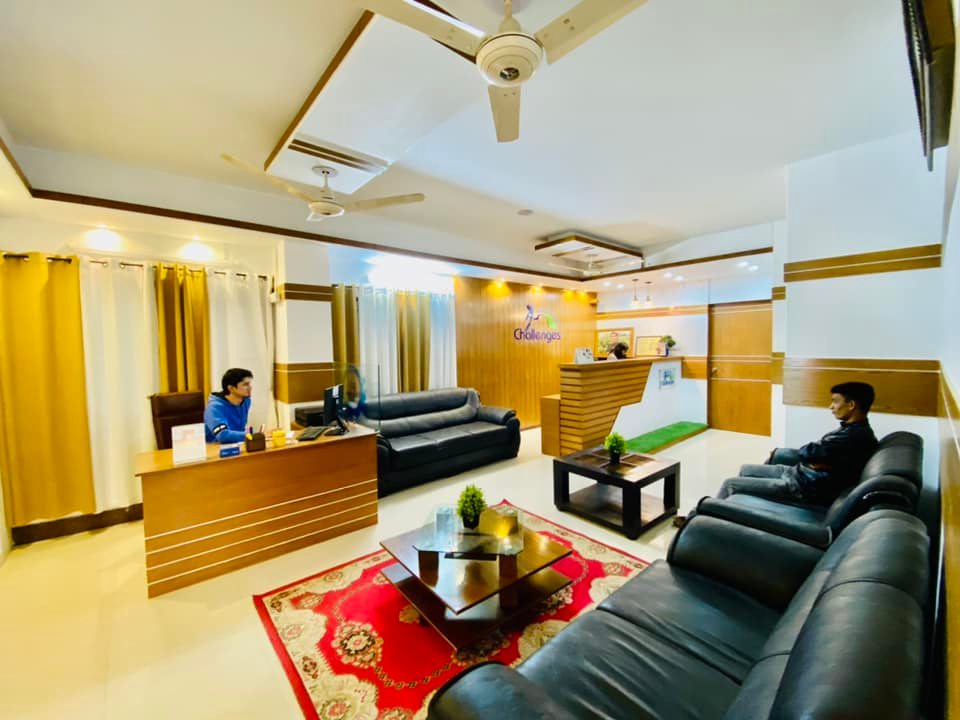
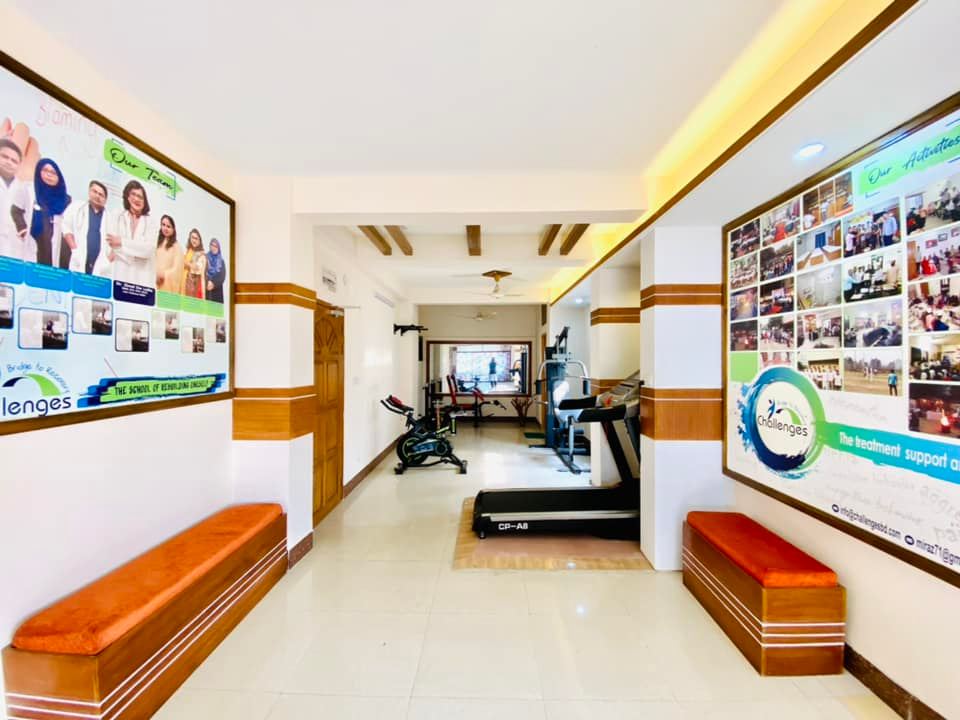
We provide a safe, comfortable, and structured residential environment designed to support healing and recovery. Our facilities help patients focus on treatment, well-being, and building healthy daily routines.
Why Families Often Choose Medical Detox First
For many families in Bangladesh, detox is the point where fear becomes real and urgent. A loved one may want to stop using, but the body and mind react strongly. This program offers a safer, more structured answer when home-based quitting feels too uncertain, too painful, or too risky to trust.
- Safe care when home withdrawal becomes risky and unsafe fast
- Private support that protects dignity and calms close family
- Clear aftercare planning after detox to lower relapse risks.
- Psychiatrist-led monitoring for safer early recovery support
How long does a medical detox program usually take?
The detox stage is different for every patient. It depends on the substance used, how long it was used, the person’s health, and the severity of withdrawal. Many patients need several days of close monitoring before moving into the next phase of treatment.
Is medical detox really necessary, or can detox be done at home?
Home detox can be risky, especially when withdrawal brings severe cravings, confusion, sleep loss, panic, agitation, dehydration, or other complications. A medical detox program provides monitoring, symptom management, and faster help if the patient’s condition changes.
Which addictions may need a medical detox program?
Medical detox is commonly needed for alcohol, heroin, yaba, sleeping pills, prescription drug misuse, and other substances that can cause strong withdrawal symptoms. The right level of care is decided after assessment, not guesswork.
Will the patient get therapy during detox, or only medicine?
Detox focuses first on safety and stabilization, but therapy support can begin early. Patients may receive counseling, CBT-based support, psychoeducation, and emotional guidance so they are not only medically stabilized, but also mentally prepared for further treatment.
Do you support patients who also have anxiety, depression, or other mental health symptoms?
Yes. Some patients come with both addiction and mental health symptoms. In those cases, dual-diagnosis support is important. Our team assesses emotional and behavioral symptoms during detox so the next treatment step is safer, clearer, and more personalized.
What happens after medical detox is complete?
Detox is usually the first step, not the full recovery process. After stabilization, patients may move into residential rehab, counseling, relapse-prevention planning, aftercare, or outpatient support based on their condition and the treatment plan.