

বাইপোলার ডিসঅর্ডার ব্যবস্থাপনা ও চিকিৎসা
বাইপোলার ডিসঅর্ডারের সঙ্গে জীবন যাপন করা ব্যক্তি এবং সহায়তা করতে চাওয়া পরিবারের জন্যও এটি অত্যন্ত চ্যালেঞ্জিং হতে পারে। হঠাৎ মেজাজ, শক্তি, ঘুম এবং আচরণের পরিবর্তন কাজ, পড়াশোনা, সম্পর্ক এবং দৈনন্দিন জীবনকে ব্যাহত করতে পারে। CHALLENGES-এ, আমরা বাংলাদেশে সহানুভূতিশীল, সুসংগঠিত এবং পেশাদার বাইপোলার ডিসঅর্ডার চিকিৎসা সেবা প্রদান করি। যারা মানসিক চিকিৎসা, থেরাপি, আবেগগত সহায়তা এবং একটি নিরাপদ পরিবেশে স্থিতিশীলতা প্রয়োজন—তাদের জন্য আমাদের সেবা বিশেষভাবে পরিকল্পিত। আমাদের টিম প্রতিটি রোগীর সঙ্গে ঘনিষ্ঠভাবে কাজ করে সংকট কমানো, রুটিন পুনরুদ্ধার, আবেগগত ভারসাম্য উন্নত করা এবং দীর্ঘমেয়াদি চিকিৎসা পরিকল্পনা তৈরি করার জন্য, যা পুনরুদ্ধার, মর্যাদা, আশা, স্থিতিশীলতা এবং আরও নিরাপদ ভবিষ্যৎ গঠনে সহায়তা করে।
- মনোরোগ বিশেষজ্ঞের নেতৃত্বে
- ২৪/৭ চিকিৎসা সহায়তা
- ব্যক্তিগতভাবে উপযোগী চিকিৎসা পরিকল্পনা


বাইপোলার ডিসঅর্ডার চিকিৎসার জন্য আমাদের প্রোগ্রামসমূহ
আমাদের চিকিৎসা প্রোগ্রামগুলো এমন ব্যক্তিদের জন্য তৈরি, যাদের সুসংগঠিত মানসিক চিকিৎসা সহায়তা, থেরাপিউটিক সেবা, আবেগ নিয়ন্ত্রণ এবং নিরাপদ দৈনন্দিন রুটিনের প্রয়োজন। আমরা মেডিক্যাল তত্ত্বাবধান, রেসিডেনশিয়াল সহায়তা, পারিবারিক দিকনির্দেশনা এবং দীর্ঘমেয়াদি ফলো-আপকে একত্রিত করে রোগীদের স্থিতিশীলতা পুনরুদ্ধারে সহায়তা করি।
মানসিক স্বাস্থ্য মূল্যায়ন ও স্থিতিশীলতা সেবা
আমাদের সাইকিয়াট্রিক মূল্যায়ন ও স্থিতিশীলতা প্রোগ্রাম ম্যানিক, ডিপ্রেসিভ বা মিশ্র অবস্থায় থাকা রোগীদের সময়মতো মূল্যায়ন, ওষুধ পরিকল্পনা, ঘুমের সহায়তা এবং ঘনিষ্ঠ পর্যবেক্ষণ প্রদান করে একটি নিরাপদ ও সুসংগঠিত পরিবেশে।

ইনপেশেন্ট / আবাসিক চিকিৎসা সেবা
আমাদের ইনপেশেন্ট / রেসিডেনশিয়াল কেয়ার প্রোগ্রাম রোগীদের একটি শান্ত ও তত্ত্বাবধানে থাকা পরিবেশ প্রদান করে, যেখানে তারা দৈনন্দিন ট্রিগার থেকে দূরে থাকতে পারেন। এখানে তারা একটি সুস্থতার রুটিন অনুসরণ করেন, থেরাপি গ্রহণ করেন এবং প্রতিদিন মানসিক স্বাস্থ্য বিশেষজ্ঞদের সার্বক্ষণিক সহায়তা পান।
চিকিৎসা পরবর্তী যত্ন
আমাদের আফটারকেয়ার প্রোগ্রাম রেসিডেনশিয়াল চিকিৎসার পর রোগীদের সহায়তা প্রদান করে ফলো-আপ সেশন, রিল্যাপ্সের সতর্ক সংকেত চিহ্নিতকরণ ও পরিকল্পনা, দৈনন্দিন রুটিনে দিকনির্দেশনা এবং চলমান আবেগগত সহায়তার মাধ্যমে, যাতে তারা দৈনন্দিন জীবনে স্থিতিশীল থাকতে পারেন।
পারিবারিক কাউন্সেলিং
আমাদের ফ্যামিলি কাউন্সেলিং প্রোগ্রাম প্রিয়জনদের বাইপোলার ডিসঅর্ডার সম্পর্কে বুঝতে সাহায্য করে, আরও ধৈর্যশীলভাবে প্রতিক্রিয়া জানাতে শেখায়, ঘরের ভেতরের দ্বন্দ্ব কমায়, চিকিৎসা সিদ্ধান্তে সহায়তা করে এবং দীর্ঘমেয়াদি সুস্থতা ও স্থিতিশীলতায় আরও শক্তিশালী ভূমিকা রাখতে সক্ষম করে।
বাইপোলার ডিসঅর্ডার: একটি সম্যক ধারণা
বাইপোলার ডিসঅর্ডার একটি গুরুতর মানসিক স্বাস্থ্য সমস্যা, যা অস্বাভাবিকভাবে উচ্চ বা নিম্ন মেজাজ, বিরক্তি, দুর্বল সিদ্ধান্ত গ্রহণ, ঘুমের সমস্যা এবং আবেগগত অস্থিরতার মতো পর্ব সৃষ্টি করতে পারে। সঠিক চিকিৎসার মাধ্যমে মানুষ এই উপসর্গগুলো নিয়ন্ত্রণ করতে পারে, রিল্যাপ্সের ঝুঁকি কমাতে পারে এবং আরও স্থিতিশীল জীবনযাপন করতে পারে।
- ম্যানিয়া ঘুম, সিদ্ধান্ত গ্রহণ, খরচের নিয়ন্ত্রণ এবং আচরণগত নিয়ন্ত্রণকে ব্যাহত করতে পারে।
- ডিপ্রেশন শক্তি, আশা, মনোযোগ এবং অনুপ্রেরণা কমিয়ে দিতে পারে।
- এই উপসর্গগুলো পড়াশোনা, কাজ, দাম্পত্য জীবন এবং পারিবারিক জীবনকে ব্যাহত করতে পারে।
- প্রাথমিক চিকিৎসা রিল্যাপ্স, সংকট এবং মানসিক বিভ্রান্তি কমাতে সহায়তা করে।
বিশেষায়িত সেবার ক্ষেত্রসমূহ
বাইপোলার ডিসঅর্ডার চিকিৎসার জন্য পরিবারগুলো কেন CHALLENGES নির্বাচন করে

সুসংগঠিত আবাসিক সহায়তা
অগোছালো পারিবারিক পরিবেশ, ঘুমের ঘাটতি বা চলমান দ্বন্দ্ব বাইপোলার উপসর্গকে আরও খারাপ করতে পারে। আমাদের রেসিডেনশিয়াল পরিবেশ রোগীদের জন্য একটি শান্ত ও তত্ত্বাবধানে থাকা স্থান প্রদান করে, যেখানে তারা নিজেকে পুনরায় স্থির করতে পারেন। দৈনন্দিন রুটিন, ওষুধের সহায়তা, থেরাপি সেশন এবং নির্দেশিত কার্যক্রমের মাধ্যমে রোগীরা সংকটময় অবস্থা থেকে বেরিয়ে এসে আরও নিরাপদ ও স্থিতিশীল পরিবেশে চিকিৎসা শুরু করতে পারেন।
সম্পূর্ণ ব্যক্তি-কেন্দ্রিক সুস্থতার রুটিন
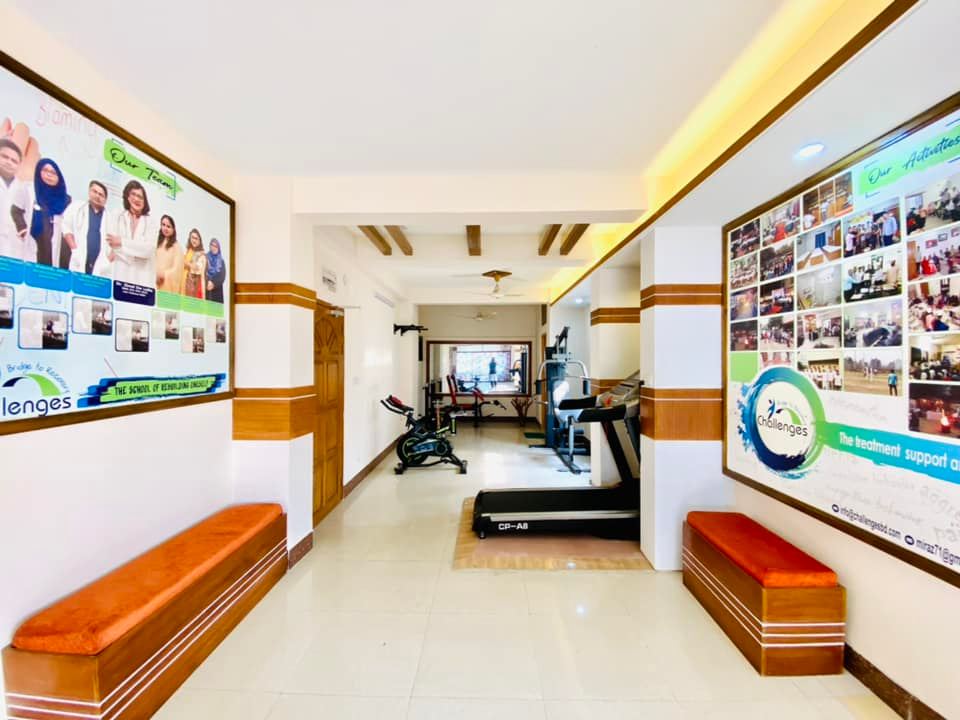
পুনরুদ্ধার শুধুমাত্র ওষুধের উপর নির্ভর করে না। রোগীদের রুটিন, বিশ্রাম, শারীরিক কার্যক্রম, আত্ম-পর্যালোচনা এবং অর্থবহ দৈনন্দিন সম্পৃক্ততাও প্রয়োজন। আমাদের কেন্দ্র একটি ভারসাম্যপূর্ণ পরিবেশের মাধ্যমে সুস্থতাকে সহায়তা করে, যেখানে থেরাপি, ওয়েলনেস কার্যক্রম, বিনোদন এবং ব্যক্তিগত যত্ন একত্রিত করা হয়। এর ফলে রোগীরা মর্যাদা ও ধারাবাহিকতার সাথে তাদের আবেগগত স্থিতিশীলতা পুনর্গঠন করতে পারেন।
নিয়মিত মনোরোগ বিশেষজ্ঞের ফলো-আপ সেবা
বাইপোলার ডিসঅর্ডারের ক্ষেত্রে সাধারণত একবারের চিকিৎসা যথেষ্ট নয়; দীর্ঘমেয়াদি ফলো-আপ প্রয়োজন হয়। আমরা রোগীদের চিকিৎসা চালিয়ে যেতে সহায়তা করি মনোরোগ বিশেষজ্ঞের নিয়মিত পর্যালোচনা, কাউন্সেলিং সহায়তা, অগ্রগতি পর্যবেক্ষণ এবং রিল্যাপ্স প্রতিরোধ পরিকল্পনার মাধ্যমে। এই ধারাবাহিক পদ্ধতি পরিবারগুলোকে একা অনুভব করা থেকে মুক্তি দেয় এবং রোগীদের দৈনন্দিন স্বাভাবিক জীবনে ফিরে যাওয়ার সময় আরও স্থিতিশীল সহায়তা প্রদান করে।
পরিবারের অংশগ্রহণে সুসংগঠিত পুনরুদ্ধার প্রক্রিয়া
প্রিয়জনের আচরণ হঠাৎ পরিবর্তন হলে পরিবারগুলো অনেক সময় বিভ্রান্ত, ক্লান্ত এবং কীভাবে প্রতিক্রিয়া জানাবে তা নিয়ে অনিশ্চিত হয়ে পড়ে। আমাদের ফ্যামিলি কাউন্সেলিং পদ্ধতি অভিভাবকদের এই অবস্থাটি বুঝতে সাহায্য করে, যোগাযোগ উন্নত করে, ঘরের ভেতরের চাপ কমায়, প্রাথমিক সতর্ক সংকেত শনাক্ত করতে শেখায় এবং রোগীর দীর্ঘমেয়াদি পুনরুদ্ধার যাত্রায় আরও আত্মবিশ্বাসী ও সক্রিয় ভূমিকা রাখতে সহায়তা করে।
আমাদের চিকিৎসা কীভাবে কাজ করে
আমাদের বাইপোলার ডিসঅর্ডার চিকিৎসা একটি সুস্পষ্ট ধাপে ধাপে প্রক্রিয়া অনুসরণ করে—সাইকিয়াট্রিক মূল্যায়ন থেকে শুরু করে আফটারকেয়ার পর্যন্ত—যাতে রোগী ও পরিবার প্রতিটি ধাপে কী ধরনের সহায়তা পাবেন তা স্পষ্টভাবে জানতে পারেন।
1
মূল্যায়ন ও ভর্তি
ভর্তির আগে আমরা রোগীর মেজাজের উপসর্গ, ঝুঁকি, পূর্ব ইতিহাস, ঘুমের অবস্থা এবং সহায়তার প্রয়োজনীয়তা মূল্যায়ন করি।
2
সংকটময় অবস্থায় দ্রুত স্থিতিশীলতা সহায়তা
আমরা নিরাপত্তা, উপসর্গ নিয়ন্ত্রণ, ঘুমের স্বাভাবিকতা পুনরুদ্ধার এবং মনোরোগ বিশেষজ্ঞ-নেতৃত্বাধীন পর্যালোচনার ওপর গুরুত্ব দিই।
3
মূল আবাসিক চিকিৎসা কর্মসূচি
রোগীরা প্রতিদিন থেরাপি, নিয়মিত রুটিন, সুস্থতা কার্যক্রম এবং নির্দেশিত পুনরুদ্ধারমূলক কার্যক্রম অনুসরণ করেন।
4
পারিবারিক সহায়তা
পরিবারগুলো দ্বন্দ্ব কমাতে এবং চিকিৎসা প্রক্রিয়াকে আরও কার্যকরভাবে সহায়তা করতে ব্যবহারিক দিকনির্দেশনা পান।
5
পুনরায় আসক্তি প্রতিরোধ পরিকল্পনা
ছাড়পত্রের আগে আমরা সতর্ক সংকেত পরিকল্পনা, দৈনন্দিন রুটিন এবং ফলো-আপ পদক্ষেপসমূহ প্রস্তুত করি।
6
পরবর্তী যত্ন ও আউটপেশেন্ট সেবা
নিয়মিত পর্যালোচনা ও কাউন্সেলিং রেসিডেনশিয়াল চিকিৎসার পর রোগীদের স্থিতিশীল থাকতে সহায়তা করে।
বিশেষায়িত সেবার ক্ষেত্রসমূহ
আবেগগত ভারসাম্য ও উন্নত দৈনন্দিন কার্যকারিতায় সহায়ক থেরাপি
থেরাপি বাইপোলার ডিসঅর্ডার চিকিৎসার একটি গুরুত্বপূর্ণ অংশ, বিশেষ করে যখন এটি মনোরোগ চিকিৎসা ও ওষুধের সহায়তার সঙ্গে একত্রে ব্যবহৃত হয়। আমরা সুসংগঠিত থেরাপিউটিক পদ্ধতি ব্যবহার করি, যাতে রোগীরা তাদের আচরণের ধরণ বুঝতে পারেন, আবেগ নিয়ন্ত্রণ করতে শিখেন, মোকাবিলা করার দক্ষতা উন্নত করেন এবং স্বাস্থ্যকর দৈনন্দিন অভ্যাস গড়ে তুলতে পারেন।
কগনিটিভ বিহেভিয়রাল থেরাপি (সিবিটি)
- CBT রোগীদের সেই ক্ষতিকর চিন্তার ধরণগুলো চিহ্নিত করতে সাহায্য করে, যেগুলো হতাশা, বিরক্তি, ভয় এবং অস্বাস্থ্যকর আচরণকে আরও বাড়িয়ে তুলতে পারে। বাইপোলার ডিসঅর্ডার চিকিৎসায় CBT মেজাজ সম্পর্কে সচেতনতা বৃদ্ধি, রুটিন গঠন, ট্রিগার ব্যবস্থাপনা এবং সমস্যা সমাধানের দক্ষতা উন্নত করতে সহায়তা করে। এটি রোগীদের আরও ভেবেচিন্তে প্রতিক্রিয়া জানাতে শেখায়, যাতে তারা এমন আচরণ এড়িয়ে চলতে পারেন যা সম্পর্ক, চিকিৎসার অগ্রগতি, দৈনন্দিন কার্যকারিতা, পারিবারিক বিশ্বাস এবং সুস্থতার প্রতি আত্মবিশ্বাসকে ক্ষতিগ্রস্ত করতে পারে।
ডায়ালেক্টিক্যাল বিহেভিয়র থেরাপি (ডিবিটি)
- DBT সেই রোগীদের জন্য সহায়ক, যারা তীব্র আবেগ, হঠাৎ impulsive প্রতিক্রিয়া, চাপ এবং পারিবারিক বা সম্পর্কগত দ্বন্দ্বের সঙ্গে সংগ্রাম করেন। মাইন্ডফুলনেস, ডিস্ট্রেস টলারেন্স এবং ইমোশনাল রেগুলেশন-এর মতো বাস্তবমুখী দক্ষতার মাধ্যমে রোগীরা শেখেন কীভাবে থেমে ভাবতে হয়, আরও ভালোভাবে যোগাযোগ করতে হয় এবং কঠিন পরিস্থিতি আরও নিরাপদভাবে মোকাবিলা করতে হয়। পুনরুদ্ধারের সময় যখন আবেগগত ওঠানামা এখনও নিয়ন্ত্রণ করা কঠিন থাকে এবং পারিবারিক পরিস্থিতি সংবেদনশীল থাকে, তখন এই থেরাপি বিশেষভাবে সহায়ক হতে পারে।
পুনরুদ্ধার কঠিন মনে হলেও, স্থিতিশীলতা ফিরে পাওয়া সম্ভব
যখন প্রিয়জনের মেজাজ, ঘুম, আচরণ এবং সিদ্ধান্ত বারবার পরিবর্তিত হতে থাকে, তখন পরিবারগুলো অনেক সময় ভয়, বিভ্রান্তি এবং গভীর ক্লান্তি অনুভব করে। এমন পরিস্থিতিতে কখন অপেক্ষা করতে হবে, কখন যুক্তি দেখাতে হবে, বা কখন জরুরি সাহায্য নিতে হবে—তা বোঝা কঠিন হয়ে পড়ে।
এই কারণেই সঠিক বাইপোলার ডিসঅর্ডার চিকিৎসা অত্যন্ত গুরুত্বপূর্ণ। সাইকিয়াট্রিক সেবা, থেরাপি, সুসংগঠিত কাঠামো এবং পারিবারিক সহায়তার মাধ্যমে অনেক মানুষ ধীরে ধীরে নিয়ন্ত্রণ ফিরে পেতে পারে, দৈনন্দিন জীবনে ফিরতে পারে এবং ধাপে ধাপে আরও স্থিতিশীল ভবিষ্যৎ গড়ে তুলতে পারে।
পুনর্বাসন চিকিৎসার গড় খরচ
আমরা এমন ব্যক্তিদের জন্য আবাসিক পুনর্বাসন কর্মসূচি প্রদান করি, যাদের জন্য সুসংগঠিত ও ২৪ ঘণ্টা পেশাদার তত্ত্বাবধান প্রয়োজন। আমাদের ব্যক্তিগতভাবে উপযোগী চিকিৎসা পরিকল্পনা রোগীদের আসক্তি কাটিয়ে উঠতে, মানসিক স্থিতিশীলতা পুনরুদ্ধার করতে এবং একটি আরও সুস্থ ও অর্থবহ জীবনে ফিরে যেতে সহায়তা করে।
সাধারণ ক্যাটাগরি
আবাসিক পুনর্বাসন কর্মসূচি একটি সুসংগঠিত পরিবেশে ২৪ ঘণ্টা যত্ন ও সহায়তা প্রদান করে, যেখানে সম্পূর্ণভাবে সুস্থতার প্রক্রিয়ার উপর গুরুত্ব দেওয়া হয়।
প্রিমিয়াম ক্যাটাগরি
আবাসিক পুনর্বাসন কর্মসূচি একটি আরামদায়ক পরিবেশে ২৪ ঘণ্টা যত্ন ও সহায়তা প্রদান করে।
এক্সট্রা প্রিমিয়াম ক্যাটাগরি
আবাসিক পুনর্বাসন কর্মসূচি একটি ব্যক্তিগত ও সহায়ক পরিবেশে ২৪ ঘণ্টা যত্ন ও সহায়তা প্রদান করে।
What is bipolar disorder treatment?
Bipolar disorder treatment usually includes psychiatric evaluation, medication management, therapy, family support, and relapse prevention. The goal is to reduce mood episodes, improve daily functioning, and help the patient stay stable over time.
When should someone be admitted for bipolar disorder treatment?
Admission may be needed when mood changes become severe, sleep is badly affected, behavior becomes unsafe, daily life breaks down, or the family can no longer manage the situation at home. A proper psychiatric assessment helps decide the right level of care.
Can bipolar disorder be treated in Bangladesh?
Yes. Bipolar disorder can be treated in Bangladesh through psychiatrist-led care, therapy, structured residential support, and follow-up services. What matters most is getting the right diagnosis, a clear treatment plan, and consistent care.
Is bipolar disorder curable?
Bipolar disorder is usually managed rather than permanently cured. Many people improve significantly with the right combination of medication, therapy, routine, sleep support, and family involvement. Long-term stability is possible with consistent treatment.
Is treatment confidential?
Yes, professional bipolar disorder treatment should protect patient privacy and family confidentiality. This is especially important in Bangladesh, where many families worry about stigma, social pressure, and being misunderstood by others.
অনলাইনে একটি বিনামূল্যের
পরামর্শ সেশন নির্ধারণ করুন
আপনি যা খুঁজছেন তা কি খুঁজে পাচ্ছেন না?