
মদ্যপান আসক্তির চিকিৎসা
মদ্যপানের আসক্তি ধীরে ধীরে একজন মানুষের স্বাস্থ্য, কাজ, সম্পর্ক এবং পারিবারিক শান্তি নষ্ট করে দিতে পারে। চ্যালেঞ্জেস বিডিতে আমরা বাংলাদেশে এমন ব্যক্তি ও পরিবারের জন্য সহানুভূতিশীল মদ্যপান আসক্তির চিকিৎসা সেবা প্রদান করি, যাদের নিরাপদ, সুসংগঠিত এবং পেশাদার সহায়তা প্রয়োজন। আমাদের কর্মসূচিতে মেডিকেল ডিটক্স, মনোরোগ চিকিৎসা, কাউন্সেলিং, পুনরায় আসক্তি প্রতিরোধ, পারিবারিক অংশগ্রহণ এবং দীর্ঘমেয়াদি সুস্থতার পরিকল্পনা অন্তর্ভুক্ত থাকে।
আমরা বুঝি যে মদ্যপানের নির্ভরতা শুধু একটি খারাপ অভ্যাস নয়। এটি এমন একটি অবস্থা যা শরীর ও মন—উভয়কেই প্রভাবিত করে। আমাদের সহানুভূতিশীল দল, গোপনীয়তা রক্ষিত পরিবেশ এবং সুস্পষ্ট চিকিৎসা পরিকল্পনার মাধ্যমে আমরা রোগীদের স্থিতিশীলতা ফিরে পেতে, আস্থা পুনর্গঠন করতে এবং একটি সুস্থ ও মদমুক্ত জীবনের দিকে এগিয়ে যেতে সহায়তা করি।
- মনোরোগ বিশেষজ্ঞের নেতৃত্বে
- ২৪/৭ চিকিৎসা সহায়তা
- ব্যক্তিগতভাবে উপযোগী চিকিৎসা পরিকল্পনা

আমাদের মদ্যপান আসক্তি চিকিৎসা কর্মসূচি
আমাদের মদ্যপান আসক্তির চিকিৎসা কর্মসূচি সুস্থতার প্রতিটি ধাপে সহায়তা করার জন্য তৈরি করা হয়েছে—প্রত্যাহারজনিত উপসর্গ নিয়ন্ত্রণ থেকে শুরু করে আবাসিক চিকিৎসা, পারিবারিক কাউন্সেলিং এবং পরবর্তী যত্ন পর্যন্ত। মূল্যায়নের পর প্রতিটি রোগীর জন্য ব্যক্তিগতভাবে চিকিৎসা পরিকল্পনা তৈরি করা হয়, যাতে তারা দীর্ঘমেয়াদে মদমুক্ত জীবন বজায় রাখার জন্য সঠিক চিকিৎসা, মানসিক ও আবেগগত সহায়তা পায়।
মেডিকেল ডিটক্স
আমাদের মেডিকেল ডিটক্স প্রক্রিয়ায় রোগীরা নিরাপদ ও তত্ত্বাবধানে থাকা পরিবেশে মদ্যপান থেকে ধীরে ধীরে মুক্ত হতে পারেন। এখানে চিকিৎসা সহায়তা, উপসর্গ নিয়ন্ত্রণ, বিশ্রাম এবং প্রাথমিক কাউন্সেলিং প্রদান করা হয়, যাতে সুস্থতার যাত্রা আরও স্থিতিশীল, স্বাচ্ছন্দ্যময় এবং আত্মবিশ্বাসের সঙ্গে শুরু করা যায়।

আবাসিক রিহ্যাব
আমাদের আবাসিক চিকিৎসা কর্মসূচিতে রোগীরা একটি সুসংগঠিত পরিবেশে থাকেন, যেখানে তারা আসক্তি উদ্দীপক পরিস্থিতি থেকে দূরে থাকতে পারেন। এখানে নির্দিষ্ট দৈনন্দিন রুটিন অনুসরণ, থেরাপি সেশন অংশগ্রহণ এবং প্রশিক্ষিত মানসিক স্বাস্থ্য ও আসক্তি বিশেষজ্ঞদের নিয়মিত সহায়তা পাওয়া যায়।
চিকিৎসা পরবর্তী যত্ন
আমাদের পরবর্তী যত্ন কর্মসূচি চিকিৎসা সম্পন্নের পর রোগীদের সহায়তা করে। এতে ফলো-আপ কাউন্সেলিং, পুনরায় আসক্তি প্রতিরোধের দিকনির্দেশনা, নিয়মিত চেক-ইন এবং বাস্তবসম্মত সহায়তা অন্তর্ভুক্ত থাকে, যাতে তারা মদমুক্ত জীবন বজায় রাখতে পারে এবং কাজ, পরিবার ও দৈনন্দিন জীবনের সঙ্গে সহজে মানিয়ে নিতে পারে।
পারিবারিক কাউন্সেলিং
আমাদের পারিবারিক কাউন্সেলিং প্রিয়জনদের মদ্যপান আসক্তি সম্পর্কে সঠিক ধারণা পেতে সাহায্য করে, যোগাযোগ উন্নত করে, আস্থা পুনর্গঠন করে এবং দোষারোপ বা বিভ্রান্তি ছাড়াই কীভাবে স্বাস্থ্যকরভাবে সুস্থতার পথে সহায়তা করা যায় তা শেখায়, যাতে সমস্যাকে আরও গভীর না করে ইতিবাচক সমর্থন নিশ্চিত করা যায়।
কিভাবে বুঝবেন আপনার পেশাদার সাহায্যের প্রয়োজন
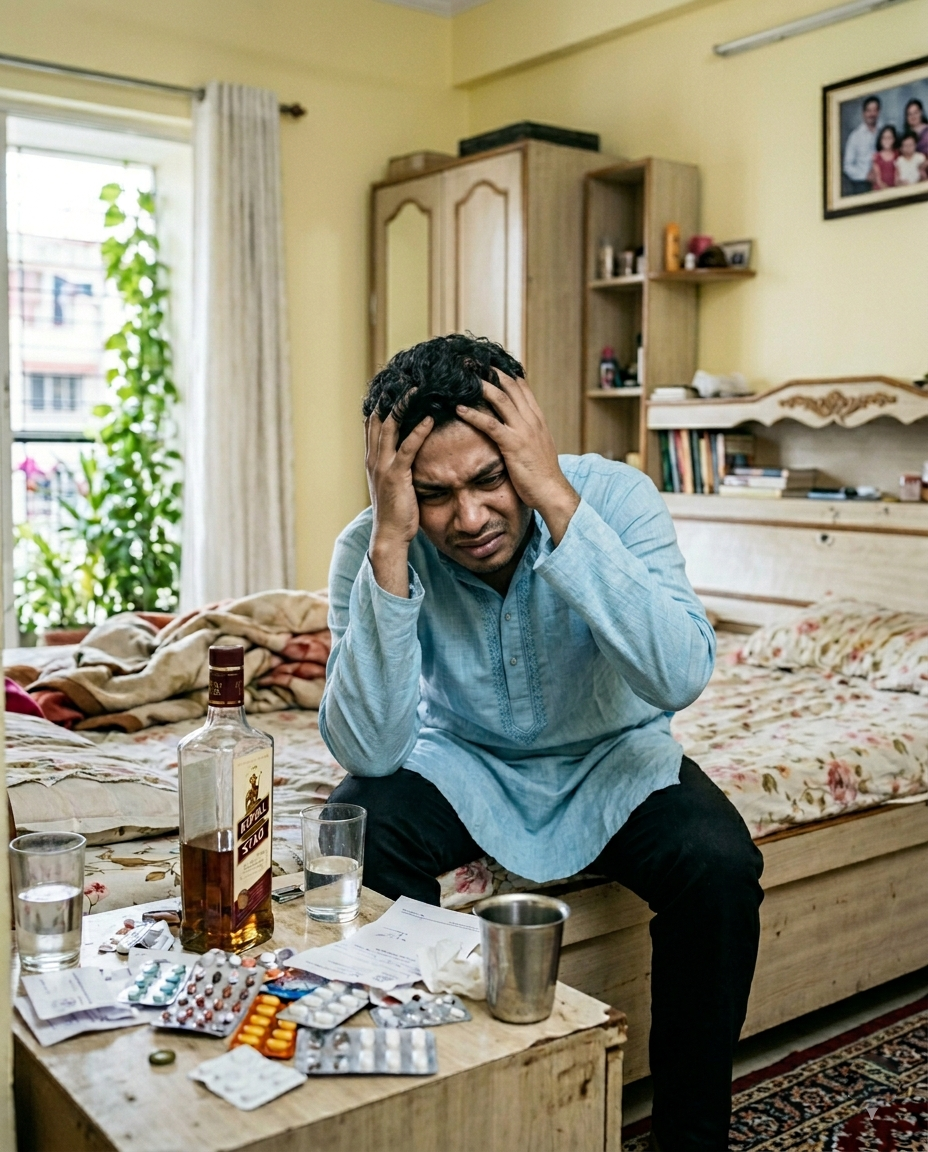
মদ্যপানের আসক্তি অনেক সময় নীরবে শুরু হয়, পরে এটি স্বাস্থ্য, সিদ্ধান্ত নেওয়ার ক্ষমতা, ঘুম, কাজ এবং পারিবারিক জীবনে প্রভাব ফেলতে শুরু করে। যখন ক্ষতি সত্ত্বেও মদ্যপান চালিয়ে যাওয়া হয়, তখন পেশাদার চিকিৎসা গ্রহণ করা গুরুত্বপূর্ণ হয়ে ওঠে। প্রাথমিক পর্যায়ে সহায়তা নিলে ঝুঁকি কমে, রোগীর অবস্থান স্থিতিশীল হয় এবং সুস্থতার দিকে আরও শক্তিশালী পথ তৈরি হয়।
- পরিবার, কাজ ও স্বাস্থ্য ক্ষতিগ্রস্ত হওয়া সত্ত্বেও মদ্যপান চালিয়ে যাওয়া হয়
- হঠাৎ করে মদ্যপান বন্ধ করলে প্রত্যাহারজনিত উপসর্গ দেখা দেয়
- ইচ্ছা এবং বিভিন্ন ট্রিগারের কারণে সহায়তা ছাড়া মদ্যপান ছাড়া কঠিন হয়ে পড়ে।
- প্রাথমিক পর্যায়ে চিকিৎসা গ্রহণ করলে ঝুঁকি কমে এবং দীর্ঘমেয়াদি সুস্থতা রক্ষা করা সহজ হয়।
বিশেষায়িত সেবার ক্ষেত্রসমূহ
কেন পরিবারগুলো চ্যালেঞ্জেসকে বেছে নেয়

আরামদায়ক আবাসিক সেবা
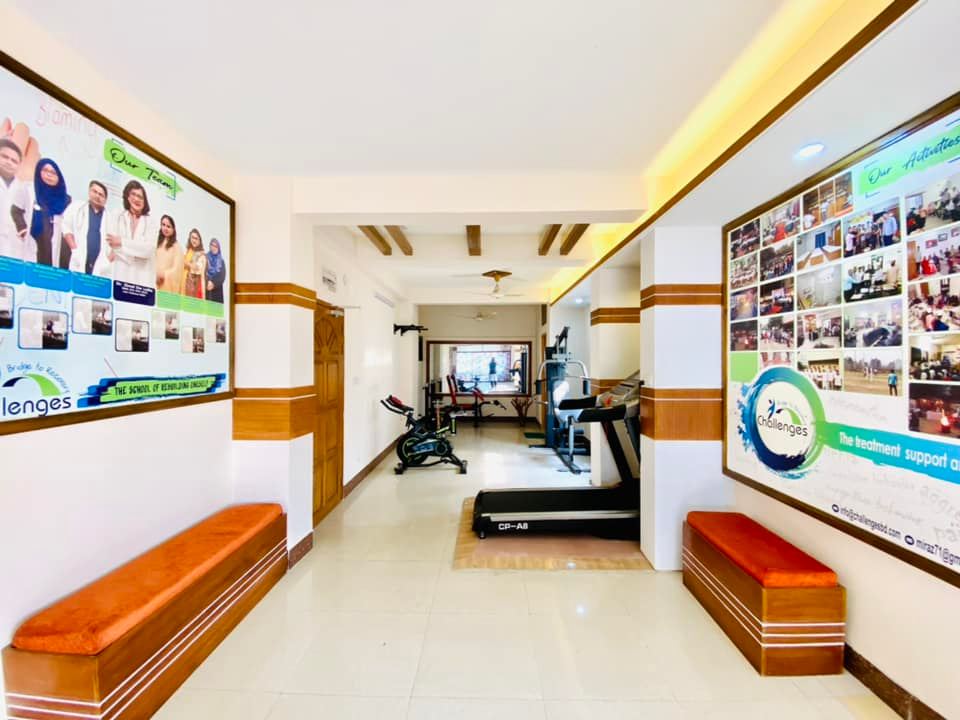
আমাদের পুনর্বাসন কেন্দ্রে রোগীরা একটি সুসংগঠিত দৈনন্দিন রুটিন অনুসরণ করে, যা তাদের সুস্থতার প্রক্রিয়াকে সহজ করে তোলে, কিন্তু দিনটিকে চাপপূর্ণ মনে হয় না। এখানে আরামদায়ক আবাসন, সুস্থতা কার্যক্রম, পড়াশোনার সময়, বিনোদন, কাউন্সেলিং এবং নির্দেশিত আত্ম-পর্যালোচনার মাধ্যমে রোগীরা ধীরে ধীরে স্বস্তি পায়, সক্রিয়ভাবে যুক্ত থাকে এবং সকাল থেকে রাত পর্যন্ত চিকিৎসা প্রক্রিয়ায় মনোযোগ ধরে রাখতে পারে।
আধ্যাত্মিক ও ব্যক্তিগত বিকাশ
সুস্থতা শুধু মদ্যপান বন্ধ করার মধ্যেই সীমাবদ্ধ নয়। এটি নিজের ভেতরের শক্তি, শৃঙ্খলা এবং জীবনের উদ্দেশ্য পুনর্গঠনের একটি প্রক্রিয়া। আমরা দোয়া, আত্ম-অনুধ্যান এবং মূল্যবোধভিত্তিক দিকনির্দেশনার মাধ্যমে আধ্যাত্মিক সুস্থতাকে উৎসাহিত করি, যাতে রোগীরা নিজের সঙ্গে পুনরায় সংযোগ স্থাপন করতে পারে, আশাবাদ ফিরে পায় এবং চিকিৎসা ও প্রাথমিক সুস্থতার সময় কঠিন মুহূর্তেও দৃঢ় থাকতে পারে।
ধারাবাহিক যত্ন ও ফলো-আপ
চিকিৎসা শেষ হলেই সহায়তা থেমে যাওয়া উচিত নয়। আমাদের ধারাবাহিক যত্ন ও পরবর্তী সেবা রোগীদের মদমুক্ত জীবন বজায় রাখতে সহায়তা করে—ফলো-আপ কাউন্সেলিং, পুনরায় আসক্তি প্রতিরোধের পরিকল্পনা, প্রয়োজনে মনোরোগ বিশেষজ্ঞের পরামর্শ এবং নিয়মিত উৎসাহের মাধ্যমে। এতে তারা পরিবার, কাজ, পড়াশোনা ও দৈনন্দিন দায়িত্বে আরও ভালোভাবে, আত্মবিশ্বাসের সঙ্গে এবং সুসংগঠিতভাবে ফিরে যেতে পারে।
সুস্থতার সময় পারিবারিক সহায়তা
মদ্যপান আসক্তি শুধু ব্যক্তিকে নয়, পুরো পরিবারকেই প্রভাবিত করে। আমরা পরিবারগুলোকে তাদের প্রিয়জন কী পরিস্থিতির মধ্য দিয়ে যাচ্ছে তা বুঝতে সাহায্য করি, বিভ্রান্তি ও দোষারোপ কমাই এবং কীভাবে আরও স্বাস্থ্যকরভাবে প্রতিক্রিয়া জানানো যায় তা শেখাই। এই সহায়তা যোগাযোগ উন্নত করতে, আস্থা পুনর্গঠন করতে এবং চিকিৎসার সময় ও পরবর্তী পর্যায়ে সুস্থতার প্রক্রিয়াকে আরও স্থিতিশীল করতে সহায়তা করে।
আমাদের চিকিৎসা কীভাবে কাজ করে
আমাদের চিকিৎসা প্রক্রিয়া রোগী ও পরিবারকে একটি সুস্পষ্ট পথ দেখায়—মূল্যায়ন থেকে শুরু করে ডিটক্স, থেরাপি, পুনরায় আসক্তি প্রতিরোধ এবং পরবর্তী যত্ন পর্যন্ত। এতে সুস্থতার যাত্রা নির্দেশিত, বাস্তবসম্মত এবং অর্জনযোগ্য মনে হয়।
1
মূল্যায়ন ও ভর্তি
আমরা মদ্যপানের পরিমাণ, শারীরিক স্বাস্থ্য এবং ঝুঁকির মাত্রা মূল্যায়ন করি, যাতে নিরাপদ ও উপযুক্ত চিকিৎসা পরিকল্পনা তৈরি করা যায়।
2
ডিটক্স ও শারীরিক স্থিতিশীলতা
ডিটক্স সহায়তা প্রত্যাহারজনিত উপসর্গ নিয়ন্ত্রণ করতে, ঝুঁকি কমাতে এবং রোগীর অবস্থাকে নিরাপদভাবে স্থিতিশীল করতে সাহায্য করে।
3
মূল আবাসিক চিকিৎসা কর্মসূচি
দৈনিক থেরাপি, সুসংগঠিত রুটিন এবং নিয়মিত সহায়তা রোগীদের ধীরে ধীরে বাস্তব জীবনের জন্য প্রয়োজনীয় সুস্থতার দক্ষতা গড়ে তুলতে সাহায্য করে।
4
পারিবারিক সহায়তা
পরিবারগুলোকে আরও ভালোভাবে যোগাযোগ করতে এবং সুস্থতার প্রক্রিয়ায় স্বাস্থ্যকর উপায়ে সহায়তা করার জন্য দিকনির্দেশনা প্রদান করা হয়।
5
পুনরায় আসক্তি প্রতিরোধ পরিকল্পনা
রোগীরা কীভাবে ট্রিগার, ইচ্ছা (cravings), মানসিক চাপ এবং ঝুঁকিপূর্ণ পরিস্থিতি মোকাবিলা করতে হয় তা শিখে।
6
পরবর্তী যত্ন ও আউটপেশেন্ট সেবা
ফলো-আপ সেবা চিকিৎসা শেষের পর মদমুক্ত জীবন বজায় রাখতে সহায়তা করে এবং দৈনন্দিন জীবনে নিরাপদভাবে ফিরে যেতে সাহায্য করে।
বিশেষায়িত সেবার ক্ষেত্রসমূহ
যখন মদ্যপান মানসিক চাপ, পারিবারিক দ্বন্দ্ব বা আবেগগত কষ্টের কারণে নিয়ন্ত্রিত হয়
বাংলাদেশের অনেক পরিবারে মদ্যপানের সমস্যা তখনই প্রকাশ পায়, যখন স্বাস্থ্য, আচরণ বা সম্পর্কের উপর গুরুতর প্রভাব পড়তে শুরু করে। আমাদের পুনর্বাসন কেন্দ্র একটি গোপনীয়, সুসংগঠিত এবং সহানুভূতিশীল চিকিৎসা পথ প্রদান করে, যেখানে রোগীরা পেশাদার চিকিৎসা সেবা পায় এবং পরিবারগুলো প্রয়োজনীয় দিকনির্দেশনা গ্রহণ করে।
কগনিটিভ বিহেভিয়রাল থেরাপি (সিবিটি)
- সিবিটি রোগীদের সেই চিন্তার ধরণ, অজুহাত এবং আবেগগত ট্রিগারগুলো চিহ্নিত করতে সাহায্য করে যা মদ্যপান চালিয়ে যেতে ভূমিকা রাখে। অনেক মানুষ স্ট্রেস, লজ্জা, রাগ বা হতাশা থেকে পালানোর জন্য মদ্যপান করে, কিন্তু এই প্যাটার্নটি সব সময় তারা পুরোপুরি বুঝতে পারে না। থেরাপির মাধ্যমে রোগীরা শিখে কীভাবে সেই চিন্তাগুলোকে চ্যালেঞ্জ করতে হয়, আরও স্বাস্থ্যকরভাবে প্রতিক্রিয়া জানাতে হয়, মোকাবিলা করার দক্ষতা গড়ে তুলতে হয় এবং দৈনন্দিন জীবন, কর্মক্ষেত্র বা পারিবারিক দ্বন্দ্বের সময় ইচ্ছা বা কঠিন পরিস্থিতি এলে আরও ভালো সিদ্ধান্ত নিতে হয়।
ডায়ালেক্টিক্যাল বিহেভিয়র থেরাপি (ডিবিটি)
- ডিবিটি এমন রোগীদের জন্য সহায়ক, যারা তীব্র আবেগে ভেঙে পড়েন, তাড়াহুড়ো করে সিদ্ধান্ত নেন বা মানসিক চাপের সময় আবার মদ্যপানে ফিরে যান। এটি বাস্তবধর্মী দক্ষতা শেখায়—মনকে শান্ত রাখা, কষ্টকর পরিস্থিতি মোকাবিলা করা, যোগাযোগ উন্নত করা এবং কঠিন মুহূর্তে নিজেকে নিয়ন্ত্রণে রাখা। বিশেষ করে যাদের মদ্যপান রাগ, মানসিক কষ্ট, পারিবারিক দ্বন্দ্ব বা হঠাৎ তীব্র ইচ্ছার সঙ্গে সম্পর্কিত, তাদের জন্য এটি অত্যন্ত কার্যকর, কারণ এটি সম্পর্ক ও চাপপূর্ণ পরিস্থিতিতে আরও স্থিতিশীলভাবে প্রতিক্রিয়া জানাতে সাহায্য করে।
মদ্যপান আসক্তি থেকে সুস্থতায় ডিবিটি-এর গুরুত্ব
কিছু রোগী শুধুমাত্র অভ্যাসের কারণে মদ্যপান করেন না। তারা মদ্যপান করেন কারণ তাদের আবেগ দ্রুত বেড়ে যায়, মানসিক চাপ অসহনীয় মনে হয়, বা দ্বন্দ্ব মোকাবিলা করা খুব কঠিন হয়ে পড়ে। এখানেই ডিবিটি সাহায্য করতে পারে। এটি এমন বাস্তবধর্মী কৌশল শেখায়, যার মাধ্যমে তারা থেমে যেতে পারে, নিজেকে শান্ত করতে পারে এবং ইচ্ছা মদ্যপানে রূপ নেওয়ার আগেই ভিন্নভাবে প্রতিক্রিয়া জানাতে শিখে।
ডিবিটি-এর মাধ্যমে রোগীরা কষ্ট সহ্য করার ক্ষমতা, আবেগ নিয়ন্ত্রণ, স্বাস্থ্যকর যোগাযোগ এবং কঠিন মুহূর্তে বর্তমান পরিস্থিতিতে স্থির থাকার দক্ষতা অর্জন করে। পরিবারের জন্য এর অর্থ হলো, চিকিৎসা শুধু মদ্যপান বন্ধ করার মধ্যেই সীমাবদ্ধ নয়; বরং প্রিয়জনকে নিজের ওপর নিয়ন্ত্রণ, স্থিতিশীলতা এবং কষ্ট, রাগ ও চাপ মোকাবিলার আরও নিরাপদ উপায় গড়ে তুলতে সহায়তা করা।
পুনর্বাসন চিকিৎসার গড় খরচ
আমরা এমন ব্যক্তিদের জন্য আবাসিক পুনর্বাসন কর্মসূচি প্রদান করি, যাদের জন্য সুসংগঠিত ও ২৪ ঘণ্টা পেশাদার তত্ত্বাবধান প্রয়োজন। আমাদের ব্যক্তিগতভাবে উপযোগী চিকিৎসা পরিকল্পনা রোগীদের আসক্তি কাটিয়ে উঠতে, মানসিক স্থিতিশীলতা পুনরুদ্ধার করতে এবং একটি আরও সুস্থ ও অর্থবহ জীবনে ফিরে যেতে সহায়তা করে।
সাধারণ ক্যাটাগরি
আবাসিক পুনর্বাসন কর্মসূচি একটি সুসংগঠিত পরিবেশে ২৪ ঘণ্টা যত্ন ও সহায়তা প্রদান করে, যেখানে সম্পূর্ণভাবে সুস্থতার প্রক্রিয়ার উপর গুরুত্ব দেওয়া হয়।
প্রিমিয়াম ক্যাটাগরি
আবাসিক পুনর্বাসন কর্মসূচি একটি আরামদায়ক পরিবেশে ২৪ ঘণ্টা যত্ন ও সহায়তা প্রদান করে।
এক্সট্রা প্রিমিয়াম ক্যাটাগরি
আবাসিক পুনর্বাসন কর্মসূচি একটি ব্যক্তিগত ও সহায়ক পরিবেশে ২৪ ঘণ্টা যত্ন ও সহায়তা প্রদান করে।
কখন কারো মদ্যপান আসক্তির জন্য পেশাদার সাহায্য নেওয়া উচিত?
মদ্যপান যখন স্বাস্থ্য, ঘুম, কাজ, পড়াশোনা, আচরণ বা পারিবারিক সম্পর্ককে প্রভাবিত করতে শুরু করে, তখন পেশাদার সহায়তা নেওয়া গুরুত্বপূর্ণ হয়ে ওঠে। এছাড়াও, বারবার চেষ্টা করার পরও মদ্যপান বন্ধ করতে না পারলে, গোপনে মদ্যপান করলে, আক্রমণাত্মক আচরণ দেখা দিলে বা হঠাৎ বন্ধ করার পর প্রত্যাহারজনিত উপসর্গ (withdrawal symptoms) দেখা দিলে চিকিৎসা গ্রহণ করা জরুরি। প্রাথমিক পর্যায়ে চিকিৎসা শুরু করলে শারীরিক, মানসিক এবং পারিবারিক আরও বড় ক্ষতি প্রতিরোধ করা সম্ভব হয়।
ঘরে বসে হঠাৎ করে মদ্যপান বন্ধ করা কি নিরাপদ?
কিছু মানুষের ক্ষেত্রে হঠাৎ মদ্যপান বন্ধ করা ঝুঁকিপূর্ণ হতে পারে। এতে প্রত্যাহারজনিত উপসর্গ যেমন কাঁপুনি, ঘাম, উদ্বেগ, বমিভাব, ঘুমের সমস্যা, বিভ্রান্তি বা অন্যান্য গুরুতর জটিলতা দেখা দিতে পারে। তাই মেডিকেল ডিটক্স প্রায়ই সবচেয়ে নিরাপদ প্রথম ধাপ হিসেবে বিবেচিত হয়। সঠিক মূল্যায়নের মাধ্যমে নির্ধারণ করা হয় যে ব্যক্তির তত্ত্বাবধানে প্রত্যাহারজনিত যত্ন প্রয়োজন কিনা, অথবা অন্য কোনো চিকিৎসা পর্যায় উপযুক্ত হবে।
মদ্যপান আসক্তির চিকিৎসা সাধারণত কতদিন লাগে?
চিকিৎসার সময়কাল ব্যক্তির শারীরিক অবস্থা, মদ্যপানের ইতিহাস, প্রত্যাহারজনিত ঝুঁকি, মানসিক স্বাস্থ্য এবং পারিবারিক পরিস্থিতির উপর নির্ভর করে। কিছু রোগীর ক্ষেত্রে প্রথমে মেডিকেল ডিটক্স প্রয়োজন হয়, এরপর আবাসিক চিকিৎসা এবং পরবর্তী যত্ন অনুসরণ করা হয়। সুস্থতা শুধু কয়েক দিনের চিকিৎসার বিষয় নয়। সাধারণত সর্বোত্তম ফলাফল পাওয়া যায় যখন ডিটক্স, কাউন্সেলিং, পুনরায় আসক্তি প্রতিরোধ এবং ফলো-আপ সাপোর্ট একসাথে অন্তর্ভুক্ত থাকে।
চিকিৎসা কি গোপনীয় থাকবে?
বাংলাদেশে অনেক রোগী ও পরিবারের জন্য গোপনীয়তা অত্যন্ত গুরুত্বপূর্ণ। সামাজিক বিচার, কর্মক্ষেত্রের সমস্যা বা আত্মীয়-স্বজনের চাপ নিয়ে অনেকেই উদ্বিগ্ন থাকেন। একটি পেশাদার পুনর্বাসন পরিবেশে ব্যক্তিগত তথ্য, চিকিৎসা সংক্রান্ত আলোচনা এবং রোগীর সেবা সম্পূর্ণ গোপনীয়তা ও সম্মানের সাথে পরিচালনা করা উচিত। এতে পরিবারগুলো কোনো অতিরিক্ত ভয় বা লজ্জা ছাড়াই সহায়তা নিতে উৎসাহিত হয়।
আবাসিক চিকিৎসা শেষ হওয়ার পর কী হয়?
ডিসচার্জের পরও সুস্থতার প্রক্রিয়া চালিয়ে যাওয়া উচিত। আবাসিক চিকিৎসা শেষে রোগীরা এখনও ইচ্ছা (cravings), আবেগগত ট্রিগার, সামাজিক চাপ এবং দৈনন্দিন মানসিক চাপের মুখোমুখি হতে পারেন। আফটারকেয়ার তাদের ফলো-আপ কাউন্সেলিং, পুনরায় আসক্তি প্রতিরোধ পরিকল্পনা, দৈনন্দিন রুটিনের দিকনির্দেশনা এবং সুসংগঠিত জীবনধারার মাধ্যমে সহায়তার সঙ্গে যুক্ত থাকতে সাহায্য করে। এই ধাপটি অগ্রগতি রক্ষা করা এবং বাস্তব জীবনে মদমুক্ত জীবন বজায় রাখার জন্য অত্যন্ত গুরুত্বপূর্ণ।