
হেরোইন আসক্তি চিকিৎসা
হেরোইন আসক্তি একজন মানুষের শরীর, মন, সম্পর্ক এবং আত্মনিয়ন্ত্রণের অনুভূতিকে সম্পূর্ণভাবে প্রভাবিত করতে পারে। CHALLENGES-এ আমরা বাংলাদেশে নিরাপদ, সুশৃঙ্খল এবং সহানুভূতিশীল একটি পুনর্বাসন কর্মসূচির মাধ্যমে হেরোইন আসক্তির চিকিৎসা প্রদান করি, যা চিকিৎসা সহায়তা, থেরাপি, আবাসিক সেবা এবং দীর্ঘমেয়াদি পুনরায় আসক্তি প্রতিরোধের উপর ভিত্তি করে গড়ে উঠেছে। আমাদের দল বোঝে যে ওপিওয়েড নির্ভরতা শুধু ব্যক্তিকেই নয়, পুরো পরিবারকেও প্রভাবিত করে। তাই আমরা প্রত্যাহার লক্ষণ স্থিতিশীল করা, মানসিক ভারসাম্য পুনর্গঠন, দৈনন্দিন অভ্যাস শক্তিশালী করা এবং প্রতিটি মানুষকে মর্যাদা, স্বচ্ছতা ও আশার সঙ্গে জীবনে ফিরে যেতে সহায়তা করার উপর গুরুত্ব দিই। সুস্থ হয়ে ওঠা সম্ভব, এবং সঠিক সহায়তা সেই যাত্রা আজই শুরু করতে সাহায্য করতে পারে।
- মনোরোগ বিশেষজ্ঞের নেতৃত্বে
- ২৪/৭ চিকিৎসা সহায়তা
- ব্যক্তিগতভাবে উপযোগী চিকিৎসা পরিকল্পনা

চ্যালেঞ্জেস বিডি-তে আপনাকে স্বাগতম
আমাদের হেরোইন চিকিৎসা কর্মসূচিগুলো পুনরুদ্ধারের প্রতিটি ধাপকে সহায়তা করার জন্য পরিকল্পিত—উইথড্রয়াল ব্যবস্থাপনা থেকে শুরু করে মানসিক সুস্থতা এবং দীর্ঘমেয়াদি স্থিতিশীলতা পর্যন্ত। প্রতিটি পরিকল্পনা ক্লিনিক্যাল সেবা, কাঠামোবদ্ধ থেরাপি, নিয়মিত রুটিন এবং ব্যক্তিগত সহায়তার মাধ্যমে পরিচালিত হয়, যাতে রোগীরা একটি নিরাপদ ও মনোযোগী পরিবেশে সুস্থ হয়ে উঠতে পারে।
মেডিকেল ডিটক্স
আমাদের মেডিক্যাল ডিটক্স প্রোগ্রাম রোগীদের হেরোইন প্রত্যাহার পর্যায় অতিক্রম করতে সহায়তা করে নিবিড় পর্যবেক্ষণ, মানসিক সহায়তা এবং লক্ষণগুলোর সতর্ক ব্যবস্থাপনার মাধ্যমে—যাতে পুনরুদ্ধারের প্রথম ধাপটি আরও নিরাপদ, শান্ত এবং চিকিৎসাগতভাবে সহায়ক মনে হয়।

আবাসিক রিহ্যাব
আমাদের ইনপেশেন্ট / আবাসিক প্রোগ্রাম রোগীদের ট্রিগার থেকে দূরে একটি সুশৃঙ্খল পরিবেশ প্রদান করে, যেখানে থেরাপি, চিকিৎসা সেবা, দৈনন্দিন রুটিন এবং সার্বক্ষণিক সহায়তার মাধ্যমে তারা সম্পূর্ণ মনোযোগ দিয়ে পুনরুদ্ধারের উপর কাজ করতে পারে এবং স্থির অগ্রগতি অর্জন করতে পারে।
চিকিৎসা পরবর্তী যত্ন
আমাদের আফটারকেয়ার প্রোগ্রাম পুনর্বাসনের পরবর্তী জীবনে সহায়তা করে ফলো-আপ নির্দেশনা, পুনরায় আসক্তি প্রতিরোধ পরিকল্পনা, নিয়মিত রুটিন গঠন এবং ধারাবাহিক মানসিক সহায়তার মাধ্যমে—যাতে রোগীরা তাদের সুস্থতা বজায় রাখতে পারে এবং আরও আত্মবিশ্বাসের সঙ্গে এগিয়ে যেতে পারে।
পারিবারিক কাউন্সেলিং
আমাদের ফ্যামিলি কাউন্সেলিং প্রোগ্রাম প্রিয়জনদের হেরোইন আসক্তি সম্পর্কে বুঝতে সাহায্য করে, আস্থা পুনর্গঠন করতে, যোগাযোগ উন্নত করতে এবং আরও স্বাস্থ্যকর উপায়ে পুনরুদ্ধারকে সমর্থন করতে শেখায়—যাতে ভয়, দোষারোপ বা বিভ্রান্তি পরিবারের পরিবেশকে প্রভাবিত না করে।
হেরোইন আসক্তি আসলে কী করে
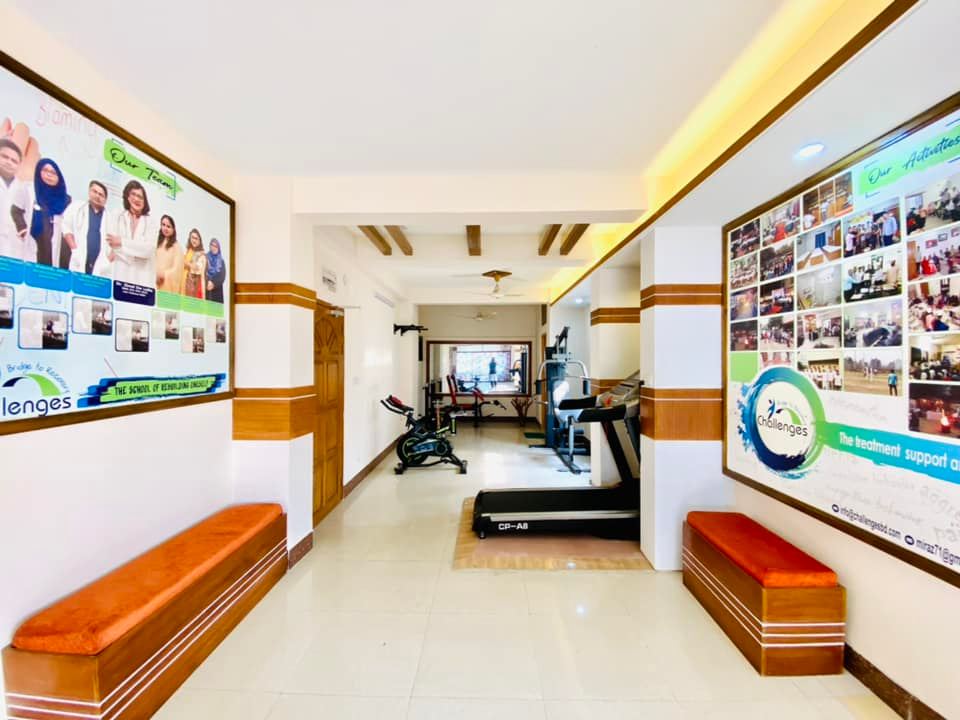
হেরোইন আসক্তি শুধু একটি অভ্যাস নয়। এটি একটি ওপিওয়েড নির্ভরতা, যা শারীরিক স্বাস্থ্যের ক্ষতি করতে পারে, আচরণে পরিবর্তন আনে, বিচারক্ষমতা দুর্বল করে এবং পারিবারিক বিশ্বাস ভেঙে দেয়। সময়ের সাথে সাথে তীব্র আকাঙ্ক্ষা, প্রত্যাহার লক্ষণ, গোপনীয়তা এবং মানসিক অস্থিরতা দৈনন্দিন জীবনকে কঠিন করে তোলে—যেখানে পেশাদার চিকিৎসা এবং সুশৃঙ্খল সহায়তা ছাড়া স্বাভাবিকভাবে চলা প্রায় অসম্ভব হয়ে পড়ে।
- তীব্র আকাঙ্ক্ষা ও প্রত্যাহার দ্রুতই দৈনন্দিন জীবনের উপর নিয়ন্ত্রণ নিয়ে নেয়
- গোপনীয়তা, ভয় এবং দ্বন্দ্ব প্রায়ই পরিবারের ভেতরে বাড়তে থাকে
- কাজ, পড়াশোনা, ঘুম এবং শারীরিক স্বাস্থ্য খুব দ্রুত অবনতি হতে পারে
- প্রাথমিক পর্যায়ে চিকিৎসা গ্রহণ নিরাপত্তা, স্থিতিশীলতা এবং পুনরুদ্ধারকে উন্নত করে
বিশেষায়িত সেবার ক্ষেত্রসমূহ
হেরোইন আসক্তির চিকিৎসার জন্য কেন CHALLENGES বেছে নেবেন

নিরাপদ ও সুশৃঙ্খল আবাসিক সেবা
আমাদের পুনর্বাসন কেন্দ্রে রোগীরা একটি সুষম দৈনন্দিন রুটিন অনুসরণ করেন, যেখানে থেরাপি, বিশ্রাম, সুস্থতা চর্চা, আত্ম-পর্যালোচনা এবং তত্ত্বাবধানের অধীনে সেবা একত্রে পরিচালিত হয়। পরিবেশটি শান্ত, সুশৃঙ্খল এবং বাহ্যিক ট্রিগার থেকে দূরে—যা প্রত্যেক ব্যক্তিকে হেরোইন থেকে পুনরুদ্ধারের সময় শারীরিক স্থিতিশীলতা, মানসিক নিয়ন্ত্রণ এবং শৃঙ্খলার শক্ত অনুভূতি পুনরায় অর্জনে সহায়তা করে।
সম্পূর্ণ ব্যক্তিকেন্দ্রিক পুনরুদ্ধার সহায়তা
অনেক রোগীর ক্ষেত্রে শুধু ক্লিনিক্যাল চিকিৎসাই যথেষ্ট নয়। কাউন্সেলিং ও নিয়মিত রুটিনের পাশাপাশি আমরা সুস্থতা চর্চা, আত্ম-পর্যালোচনা এবং আধ্যাত্মিক সহায়তার মাধ্যমে ব্যক্তিগত বিকাশকে উৎসাহিত করি, যা ভেতরের শক্তি ও জীবনের উদ্দেশ্য পুনরুদ্ধারে সাহায্য করে। এই সুষম পরিবেশ মানসিক সুস্থতাকে সমর্থন করে এবং রোগীদেরকে আরও স্বাস্থ্যকর মূল্যবোধ ও অভ্যাসের সাথে পুনরায় সংযুক্ত হতে সহায়তা করে।
বিভ্রান্তি কমাতে পারিবারিক দিকনির্দেশনা
যখন পরিবারের কোনো সদস্য আসক্তিতে ভোগে, তখন পরিবার প্রায়ই অসহায়, রাগান্বিত এবং পরবর্তী করণীয় নিয়ে অনিশ্চিত বোধ করে। আমাদের ফ্যামিলি কাউন্সেলিং তাদেরকে স্পষ্ট বোঝাপড়া, স্বাস্থ্যকর যোগাযোগের কৌশল এবং বাস্তবমুখী দিকনির্দেশনা দেয়—যাতে তারা পুনরুদ্ধারকে সমর্থন করতে পারে, ঘরের ভেতরে অপ্রয়োজনীয় চাপ, আতঙ্ক, দোষারোপ বা মানসিক অস্থিরতা না বাড়িয়ে, বিশেষ করে প্রাথমিক পর্যায়ে।
দীর্ঘমেয়াদি অগ্রগতি সুরক্ষিত রাখতে আফটারকেয়ার
পুনর্বাসন শেষ করে বের হওয়ার পর অনেক সময় অনিশ্চয়তা তৈরি হয়, বিশেষ করে যখন কেউ পুরনো রুটিন, চাপ বা সামাজিক প্রভাবের মধ্যে ফিরে যায়। আমাদের আফটারকেয়ার পরিকল্পনা ফলো-আপ সহায়তা, পুনরায় আসক্তি প্রতিরোধ কৌশল, মানসিক দিকনির্দেশনা এবং আরও স্থিতিশীল রুটিনের মাধ্যমে রোগীদের সামনে এগিয়ে যেতে সাহায্য করে—যাতে পুনরুদ্ধারের যাত্রা দিকনির্দেশনা, দায়বদ্ধতা, আত্মবিশ্বাস এবং আশার সাথে অব্যাহত থাকে।
চিকিৎসা কীভাবে কাজ করে
আমাদের হেরোইন চিকিৎসা প্রক্রিয়াটি ধাপে ধাপে পরিচালিত হয়—যেখানে রোগীদের নিরাপদভাবে স্থিতিশীল করা, থেরাপি শুরু করা, দৈনন্দিন রুটিন পুনর্গঠন, পরিবারকে সম্পৃক্ত করা এবং একটি স্পষ্ট দীর্ঘমেয়াদি পরিকল্পনার মাধ্যমে পুনরুদ্ধার চালিয়ে যেতে সহায়তা করা হয়।
1
মূল্যায়ন ও ভর্তি
আমরা প্রথমে মাদক ব্যবহার, প্রত্যাহার ঝুঁকি, মানসিক স্বাস্থ্য এবং প্রয়োজনীয় সহায়তার চাহিদা মূল্যায়ন করি।
2
ডিটক্স ও শারীরিক স্থিতিশীলতা
প্রত্যাহার পর্যায়টি নিবিড় পর্যবেক্ষণ, লক্ষণভিত্তিক যত্ন এবং প্রতিদিনের নিরাপদ সহায়তার মাধ্যমে পরিচালিত হয়।
3
মূল আবাসিক চিকিৎসা কর্মসূচি
দৈনন্দিন থেরাপি, নিয়মিত রুটিন, পর্যাপ্ত বিশ্রাম এবং দিকনির্দেশিত সহায়তা দ্রুত ব্যক্তিগত স্থিতিশীলতা পুনর্গঠনে সহায়তা করে।
4
পারিবারিক সহায়তা
পরিবারগুলো আরও ভালোভাবে যোগাযোগ করতে এবং স্পষ্ট দিকনির্দেশনার মাধ্যমে পুনরুদ্ধারকে সমর্থন করতে সহায়তা পায়।
5
পুনরায় আসক্তি প্রতিরোধ পরিকল্পনা
রোগীরা ট্রিগার নিয়ন্ত্রণ, মোকাবেলার কৌশল এবং নিরাপদ দৈনন্দিন অভ্যাস শিখে, যা পুনরুদ্ধারকে সমর্থন করে।
6
পরবর্তী যত্ন ও আউটপেশেন্ট সেবা
আবাসিক চিকিৎসা শেষ হওয়ার পর ফলো-আপ সহায়তা পুনরুদ্ধারের অগ্রগতি সুরক্ষিত রাখতে সাহায্য করে।
বিশেষায়িত সেবার ক্ষেত্রসমূহ
রোগী ও পরিবারের জন্য পুনরুদ্ধারকে বোঝাতে সহায়ক থেরাপি
বাংলাদেশের অনেক পরিবারে হেরোইন আসক্তিকে প্রায়ই শুধু খারাপ আচরণ বা দুর্বল ইচ্ছাশক্তি হিসেবে দেখা হয়। আমাদের থেরাপি-ভিত্তিক পদ্ধতি রোগী ও অভিভাবকদের ট্রিগার, আবেগ এবং ক্ষতিকর আচরণগত ধরণগুলো বুঝতে সাহায্য করে—যাতে পুনরুদ্ধার আরও স্পষ্ট, বাস্তবসম্মত এবং আত্মবিশ্বাসের সাথে ঘরে বসেই সমর্থন করা সহজ হয়।
কগনিটিভ বিহেভিয়রাল থেরাপি (সিবিটি)
কগনিটিভ বিহেভিয়ারাল থেরাপি (CBT) রোগীদের সেই চিন্তা, অভ্যাস এবং পরিস্থিতিগুলো চিহ্নিত করতে সাহায্য করে যা হেরোইন ব্যবহারের ধারাবাহিকতা বজায় রাখে। তীব্র আকাঙ্ক্ষা বা অপরাধবোধে হারিয়ে যাওয়ার পরিবর্তে, তারা বুঝতে শেখে কী তাদের ট্রিগার করে এবং কীভাবে ভিন্নভাবে প্রতিক্রিয়া জানানো যায়। এতে চিকিৎসা আরও বাস্তবসম্মত হয়ে ওঠে। রোগীরা ধীরে ধীরে আকাঙ্ক্ষা নিয়ন্ত্রণ করা, ক্ষতিকর চিন্তাভাবনাকে চ্যালেঞ্জ করা, ঝুঁকিপূর্ণ আচরণ কমানো এবং প্রতিদিনের জীবনে আরও স্বাস্থ্যকর সিদ্ধান্ত গ্রহণের দক্ষতা অর্জন করে—সবকিছু একটি সুশৃঙ্খল পরিবেশের মধ্যে।
ডায়ালেক্টিক্যাল বিহেভিয়র থেরাপি (ডিবিটি)
ডায়ালেক্টিক্যাল বিহেভিয়ার থেরাপি (DBT) তাদের জন্য বিশেষভাবে সহায়ক, যারা পুনরুদ্ধারের সময় তীব্র আবেগ, রাগ, হঠাৎ প্রতিক্রিয়া বা ভেতরের শূন্যতার সাথে সংগ্রাম করে। এই থেরাপি মনের শান্তি বজায় রাখা, চাপ সামলানো এবং আরও কার্যকরভাবে যোগাযোগ করার সহজ দক্ষতা শেখায়। অনেকের জন্য এর ফলে মানসিক ভেঙে পড়ার ঘটনা কমে, আকাঙ্ক্ষার সময় নিজেকে নিয়ন্ত্রণ করা সহজ হয় এবং চিকিৎসা ও প্রাথমিক সুস্থতার পথে এগোতে গিয়ে আরও স্থিতিশীলতা তৈরি হয়, সাথে বাড়ে আবেগীয় সচেতনতা।
যখন সেবায় মানবিকতা থাকে, তখন পুনরুদ্ধার সম্ভব বলে মনে হয়
অনেক পরিবার মাসের পর মাস ভয়, নিদ্রাহীন রাত, ভাঙা প্রতিশ্রুতি এবং বেদনাদায়ক অনিশ্চয়তার পর সাহায্য নিতে আসে। তখন বিশ্বাস কমে যায় এবং সবাই মানসিকভাবে ক্লান্ত থাকে। হেরোইন আসক্তির চিকিৎসা এই কষ্টকে আরও বাড়িয়ে তোলা উচিত নয়। বরং এটি শান্তি, স্পষ্ট দিকনির্দেশনা এবং পরিবর্তন এখনো সম্ভব—এই অনুভূতি ফিরিয়ে আনা উচিত।
CHALLENGES-এ আমরা রোগীদের এমনভাবে সহায়তা করি যাতে তারা নিরাপদ অনুভব করে নতুনভাবে শুরু করতে পারে, একই সঙ্গে পরিবারগুলোকেও সততা ও যত্নের সাথে পুরো প্রক্রিয়ার মধ্য দিয়ে পথনির্দেশনা দিই। ডিটক্স থেকে থেরাপি এবং আফটারকেয়ার পর্যন্ত আমাদের লক্ষ্য শুধু হেরোইন ব্যবহার বন্ধ করা নয়, বরং দৈনন্দিন জীবনে স্থিতিশীলতা, আত্মসম্মান এবং আশার পুনর্গঠন করা।
পুনর্বাসন চিকিৎসার গড় খরচ
আমরা এমন ব্যক্তিদের জন্য আবাসিক পুনর্বাসন কর্মসূচি প্রদান করি, যাদের জন্য সুসংগঠিত ও ২৪ ঘণ্টা পেশাদার তত্ত্বাবধান প্রয়োজন। আমাদের ব্যক্তিগতভাবে উপযোগী চিকিৎসা পরিকল্পনা রোগীদের আসক্তি কাটিয়ে উঠতে, মানসিক স্থিতিশীলতা পুনরুদ্ধার করতে এবং একটি আরও সুস্থ ও অর্থবহ জীবনে ফিরে যেতে সহায়তা করে।
সাধারণ ক্যাটাগরি
আবাসিক পুনর্বাসন কর্মসূচি একটি সুসংগঠিত পরিবেশে ২৪ ঘণ্টা যত্ন ও সহায়তা প্রদান করে, যেখানে সম্পূর্ণভাবে সুস্থতার প্রক্রিয়ার উপর গুরুত্ব দেওয়া হয়।
প্রিমিয়াম ক্যাটাগরি
আবাসিক পুনর্বাসন কর্মসূচি একটি আরামদায়ক পরিবেশে ২৪ ঘণ্টা যত্ন ও সহায়তা প্রদান করে।
এক্সট্রা প্রিমিয়াম ক্যাটাগরি
আবাসিক পুনর্বাসন কর্মসূচি একটি ব্যক্তিগত ও সহায়ক পরিবেশে ২৪ ঘণ্টা যত্ন ও সহায়তা প্রদান করে।
How do I know if someone needs heroin addiction treatment?
Warning signs often include strong cravings, withdrawal symptoms, secrecy, money problems, mood changes, neglect of work or study, and repeated failed attempts to quit. If heroin use is affecting health, safety, or family life, professional treatment should be considered as early as possible.
Can a family member bring a patient to your rehab center?
Yes. In Bangladesh, families often take the first step because the patient may be confused, resistant, or physically unwell. Our team can guide guardians through the admission process, explain what to expect, and help assess whether residential treatment is needed.
Is heroin withdrawal dangerous without medical support?
Heroin withdrawal can be extremely distressing and may lead to dehydration, panic, severe agitation, insomnia, and quick relapse. Medical supervision helps manage symptoms more safely and gives the patient a stronger start instead of trying to quit alone in crisis.
How long does heroin addiction treatment usually take?
The length depends on the patient’s condition, withdrawal severity, mental health, relapse history, and home environment. Some people need a longer residential stay and continued aftercare. Recovery is not one fixed timeline, so treatment should be based on real clinical needs.
Is treatment kept confidential?
Yes. Privacy matters deeply in addiction treatment, especially for patients and families who are worried about social stigma. Personal information, treatment details, and counseling discussions should be handled with confidentiality and professional care throughout the recovery process.