Aftercare Treatment Program in Bangladesh
Leaving a rehabilitation center is not the end of recovery. The Aftercare Treatment Program in Bangladesh at Challenges BD helps clients stay connected with professional support after detox, residential rehab, or mental health treatment, so they do not feel alone when real life begins again at home, work, or campus. Through counseling, relapse prevention planning, family guidance, and outpatient follow-up, our aftercare program supports emotional balance, healthy routines, and long-term recovery. It is designed for people who want to protect their progress, reduce relapse risk, and rebuild life with confidence, with a caring team beside them always.
- Psychiatrist-led
- 24/7 Medical Assistance
- Individualized Treatment Plan
Relapse Prevention Support
- Personalized support to identify triggers, manage cravings, and prepare for high-risk situations after rehab, so recovery continues with structure, confidence, accountability, and practical steps for daily life safely.
Ongoing Counseling and Review
- Regular counseling sessions help clients talk through stress, emotions, family issues, and daily challenges while reviewing progress, adjusting the recovery plan, and keeping motivation steady over time with care and trust.
Family and Social Reintegration
- Guidance for rebuilding trust, improving communication, and returning to family, work, study, and society with healthier habits, safer boundaries, emotional support, and a clearer recovery routine after rehab with hope.
AREAS OF SPECIALTY
Structured Therapy for Long-Term Recovery Skills
Aftercare works best when therapy is practical, consistent, and connected to everyday life. This section shows how our CBT and DBT-based support helps clients understand triggers, manage emotions, rebuild behavior, communicate better, make safer choices, and protect recovery after return home.

Cognitive Behavioral Therapy (CBT)
CBT helps clients notice the thoughts, feelings, and situations that can push them toward old habits. In aftercare, the focus is not only talking about problems, but learning simple tools to handle stress, cravings, anger, guilt, loneliness, and family pressure. Clients practice healthier responses, build problem-solving skills, and learn how to stay steady when daily life becomes difficult again after treatment and outside the center.
Dialectical Behavior Therapy (DBT)
DBT helps clients manage strong emotions without acting impulsively or giving up on recovery. In aftercare, clients learn mindfulness, distress tolerance, emotional regulation, and communication skills they can use at home, work, study, and family life. This support is helpful for people who feel overwhelmed, react quickly, or struggle to keep relationships stable during recovery, conflict, stress, and daily pressure after rehab.
How Aftercare Program Works
Our aftercare program gives clients a clear step-by-step support system after primary treatment, so progress continues with guidance, family involvement, and relapse prevention.
1
Assessment and Admission
We review treatment history, current risks, family concerns, and recovery needs.
2
Stability and Medication Review
Physical and emotional stability are checked before planning ongoing care support.
3
Core Aftercare Program
Clients join counseling, routine-building, trigger work, and recovery check-ins.
4
Family Support
Families learn how to support recovery without blame, pressure, or confusion at home.
5
Dual-Diagnosis Support
Mental health concerns are reviewed with addiction recovery needs together safely.
6
Relapse Prevention
Each client receives a practical plan for triggers, cravings, and warning signs.
7
Discharge Planning
We prepare the client for work, study, family life, and social responsibility again.
8
Aftercare and Outpatient
Ongoing outpatient support keeps recovery connected after the main program ends.
What You Will Receive in This Program
This aftercare program gives clients structured support after rehab, combining therapy, family guidance, faith-sensitive care, and practical relapse prevention for daily life.

Detox Follow-Up Support
Post-detox needs are monitored so the client feels stable and supported after care.
Dual Diagnosis support
Addiction and mental health concerns are supported together with clinical care safely.
Cognitive Behavioral Therapy
CBT helps clients change harmful thinking and build healthier responses every day.
Psychoeducation
Clients learn about addiction, triggers, emotions, recovery, and family roles clearly.
Group Therapy
Safe group sessions build accountability, connection, and shared recovery strength.
Prayers and Islamic Sessions
Faith-sensitive sessions support reflection, hope, discipline, and inner peace daily.
Individual Counseling
One-to-one counseling helps clients discuss private struggles, progress, and goals.
Family Counseling
Family sessions improve trust, communication, boundaries, and home support with care.
Couple Counseling
Couples receive guidance to rebuild communication, respect, and emotional safety.
Family Group Counseling
Families share learning, receive guidance, and understand recovery together better.
Average Cost of Rehabilitation Programs
We specialize in providing inpatient rehabilitation programs for individuals who require structured, round-the-clock professional care. Our personalized treatment plans are designed to help patients overcome addiction, restore emotional stability, and return to healthier, more meaningful lives.
General
Inpatient rehabilitation programs provide round-the-clock care and support in a structured residential setting focused on recovery.
- Gym
- Library
Premium
Inpatient rehabilitation programs provide round-the-clock care and support in a comfortable residential environment.
- Air Conditioning
- Extra Food
- Gym
- Library
Extra Premium
Inpatient rehabilitation programs provide round-the-clock care and support in a private and supportive residential setting.
- Extra Food
- Air Conditioning
- Gym
- Library
Amenities
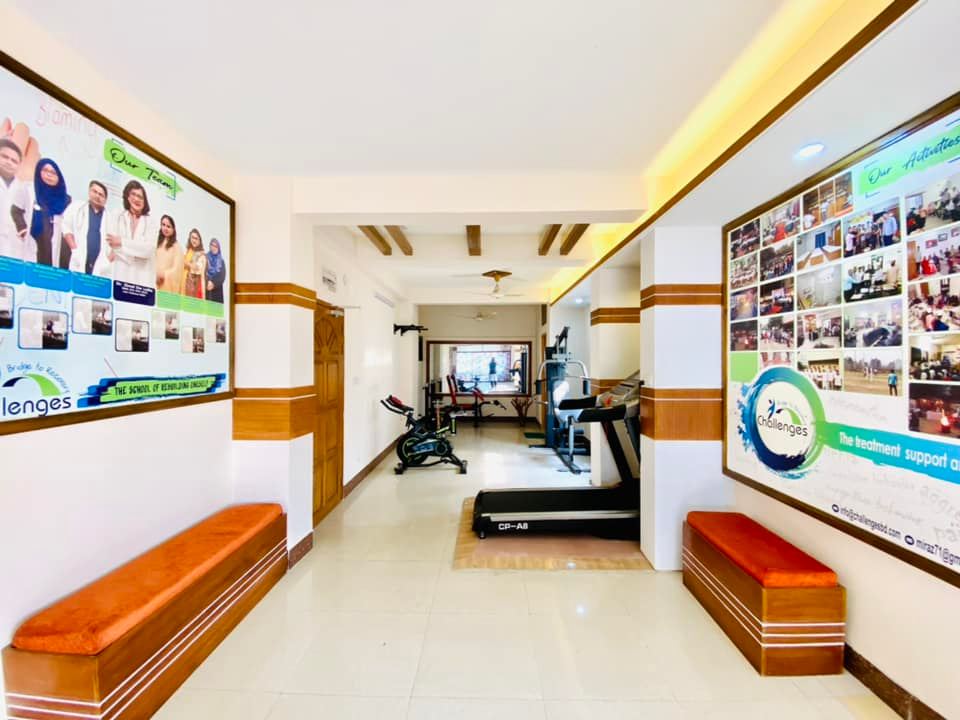
We provide a safe, comfortable, and structured residential environment designed to support healing and recovery. Our facilities help patients focus on treatment, well-being, and building healthy daily routines.
Who Can Benefit from an Aftercare Program?
Aftercare is helpful for people who have completed detox, residential rehab, counseling, or mental health treatment but still need guidance to stay steady in real life. It gives the client and family a safer structure for relapse prevention, emotional support, and long-term recovery in Bangladesh.
- Helps clients manage triggers after returning home
- Supports family trust, communication, and boundaries
- Builds a practical routine for work, study, and prayer
- Keeps recovery connected through outpatient follow-up
What is an Aftercare Treatment Program in Bangladesh?
An aftercare treatment program provides ongoing support after detox, residential rehab, or counseling. It helps clients manage triggers, continue therapy, rebuild family trust, and stay connected with professional recovery guidance.
Who needs an aftercare program after rehab?
Aftercare is helpful for anyone who has completed primary treatment but still feels at risk of relapse, emotional instability, family conflict, stress, or difficulty returning to normal daily life.
Is aftercare only for drug addiction recovery?
No. Aftercare can support people recovering from substance use, behavioral addiction, emotional struggles, and mental health concerns. The plan depends on the client’s condition, history, and recovery needs.
How does aftercare help prevent relapse?
Aftercare helps clients recognize warning signs, manage cravings, avoid high-risk situations, follow a healthy routine, and stay accountable through counseling, family support, and regular progress review.
Does the family need to be involved in aftercare?
Family involvement is strongly helpful. Many clients return to homes where trust, communication, and boundaries need rebuilding. Family counseling helps everyone understand recovery and support it properly.
Schedule a Free
Consultation Online
Can't find what you're looking for?