
ক্যানাবিস (গাঁজা) আসক্তি চিকিৎসা
ক্যানাবিস আসক্তি ধীরে ধীরে দৈনন্দিন জীবনকে প্রভাবিত করতে পারে—মেজাজ, ঘুম, মনোযোগ, পারিবারিক সম্পর্ক, পড়াশোনা এবং কাজের উপর এর নেতিবাচক প্রভাব পড়ে। চ্যালেঞ্জেস-এ আমরা এমন ব্যক্তিদের জন্য সহানুভূতিশীল, সুসংগঠিত এবং গোপনীয় ক্যানাবিস আসক্তি চিকিৎসা সেবা প্রদান করি, যারা বিচার নয় বরং সত্যিকারের সহায়তা প্রয়োজন।
আমাদের চিকিৎসা পদ্ধতিতে মেডিকেল কেয়ার, মনস্তাত্ত্বিক থেরাপি, রিল্যাপ্স প্রতিরোধ এবং পারিবারিক দিকনির্দেশনা একত্রে অন্তর্ভুক্ত করা হয়, যাতে প্রতিটি ব্যক্তি নিয়ন্ত্রণ ফিরে পেতে পারে এবং একটি স্বাস্থ্যকর দৈনন্দিন রুটিন গড়ে তুলতে পারে। ক্যানাবিস ব্যবহার যদি নিয়মিত, ঝুঁকিপূর্ণ বা বন্ধ করা কঠিন হয়ে থাকে, আমাদের টিম সম্মান, নিরাপত্তা এবং পেশাদার যত্নের মাধ্যমে সুস্থতার পথে দিকনির্দেশনা দিতে প্রস্তুত। সঠিক সময়ে সঠিক সহায়তাই আজই সুস্থতার শুরু।
- মনোরোগ বিশেষজ্ঞের নেতৃত্বে
- ২৪/৭ চিকিৎসা সহায়তা
- ব্যক্তিগতভাবে উপযোগী চিকিৎসা পরিকল্পনা

আমাদের ক্যানাবিস চিকিৎসা কর্মসূচি
আমাদের ক্যানাবিস চিকিৎসা কর্মসূচিগুলো সুস্থতার প্রতিটি ধাপে সহায়তা করার জন্য তৈরি করা হয়েছে—নিরাপদ ডিটক্স, আবাসিক চিকিৎসা থেকে শুরু করে আফটারকেয়ার এবং পারিবারিক কাউন্সেলিং পর্যন্ত। প্রতিটি কর্মসূচি পেশাদার তত্ত্বাবধান, মানসিক সহায়তা এবং একটি সুসংগঠিত পরিকল্পনার মাধ্যমে পরিচালিত হয়, যা রোগীদের স্থিতিশীলতা, মানসিক স্বচ্ছতা এবং দীর্ঘমেয়াদী সুস্থতার দিকে এগিয়ে যেতে সাহায্য করে।
মেডিকেল ডিটক্স
আমাদের মেডিকেল ডিটক্স রোগীদের ক্যানাবিস ছাড়ার প্রাথমিক পর্যায়ে ঘনিষ্ঠ চিকিৎসা পর্যবেক্ষণ, উপসর্গ নিয়ন্ত্রণ এবং মানসিক আশ্বাসের মাধ্যমে সহায়তা করে, যাতে তারা আরও নিরাপদ ও স্থিতিশীল অবস্থায় সুস্থতার যাত্রা শুরু করতে পারে।

আবাসিক রিহ্যাব
আমাদের ইনপেশেন্ট / আবাসিক প্রোগ্রাম রোগীদের জন্য একটি নিরাপদ ও সুসংগঠিত পরিবেশ প্রদান করে, যেখানে তারা ট্রিগার থেকে দূরে থেকে দৈনন্দিন থেরাপি, চিকিৎসা সহায়তা, নিয়মিত রুটিন এবং ২৪ ঘণ্টা তত্ত্বাবধানের মাধ্যমে সম্পূর্ণভাবে সুস্থতা ও পুনরুদ্ধারের উপর মনোযোগ দিতে পারে।
চিকিৎসা পরবর্তী যত্ন
আমাদের আফটারকেয়ার প্রোগ্রাম রোগীদের আবাসিক চিকিৎসার পরও সঠিক পথে থাকতে সাহায্য করে—নির্দেশনা, রিল্যাপ্স প্রতিরোধ সহায়তা, ফলো-আপ সেশন এবং ক্যানাবিস ব্যবহারে ফিরে না যাওয়ার জন্য বাস্তবধর্মী দৈনন্দিন কৌশলের মাধ্যমে।
পারিবারিক কাউন্সেলিং
আমাদের পারিবারিক কাউন্সেলিং প্রিয়জনদের ক্যানাবিস আসক্তি সম্পর্কে বোঝাপড়া বাড়াতে, যোগাযোগ উন্নত করতে, আস্থা পুনর্গঠন করতে এবং আরও স্বাস্থ্যকর উপায়ে সুস্থতাকে সহায়তা করতে সাহায্য করে, যাতে রোগী এমন একটি পারিবারিক পরিবেশে ফিরে যেতে পারে যা দীর্ঘমেয়াদী পরিবর্তনকে উৎসাহিত করে।
যখন ক্যানাবিস ব্যবহার জীবনের নিয়ন্ত্রণ নিতে শুরু করে
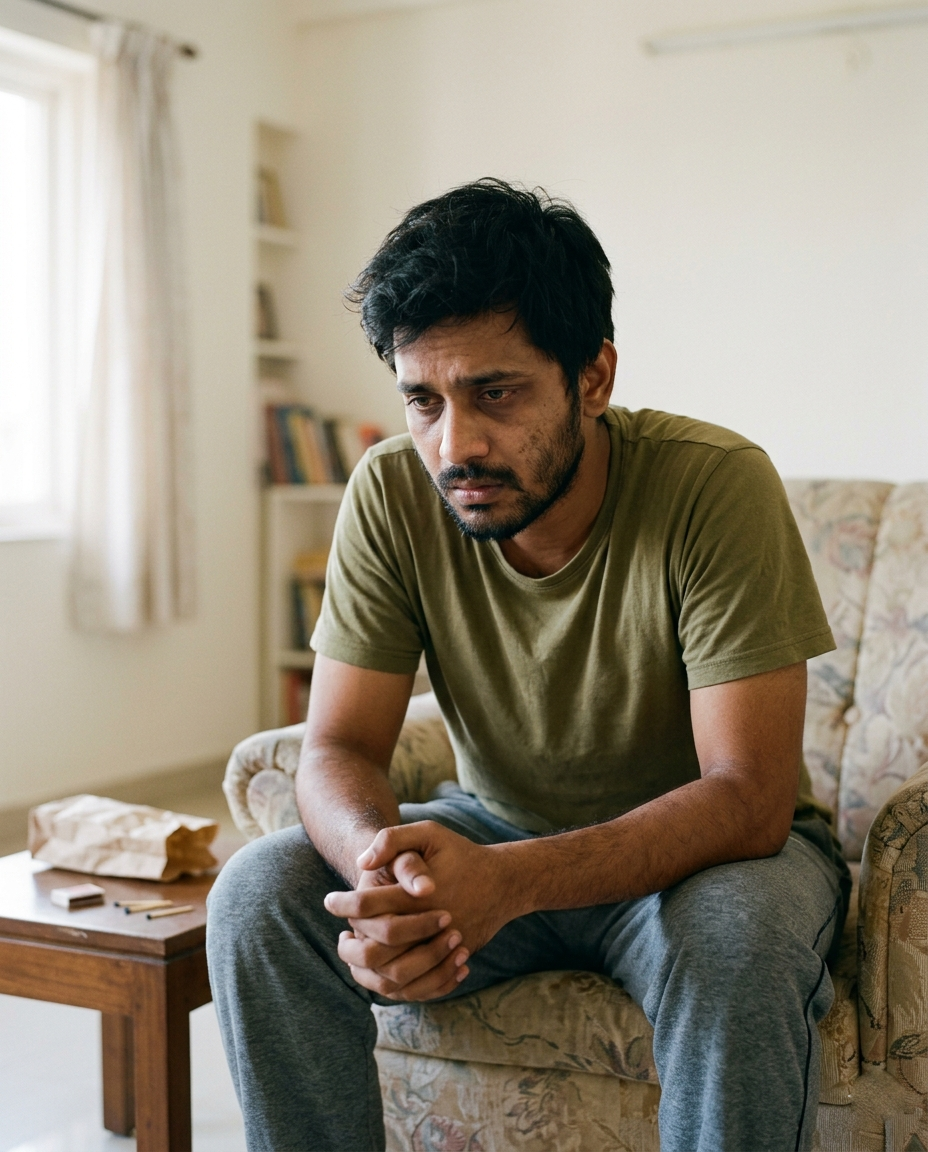
ক্যানাবিস আসক্তি শুধুমাত্র একটি অভ্যাস নয়। সময়ের সাথে সাথে নিয়মিত ব্যবহার অনুপ্রেরণা, স্মৃতিশক্তি, আবেগের ভারসাম্য, ঘুম, পড়াশোনা, কাজ এবং পারিবারিক জীবনের উপর প্রভাব ফেলতে পারে। যখন কেউ স্পষ্ট ক্ষতি সত্ত্বেও ব্যবহার চালিয়ে যায় বা ছাড়ার চেষ্টা করলে তীব্র অস্বস্তি অনুভব করে, তখন পেশাদার চিকিৎসা সুস্থতার প্রক্রিয়াকে আরও নিরাপদ, স্পষ্ট এবং সহজতর করতে সাহায্য করে।
- নিয়মিত ক্যানাবিস ব্যবহার ধীরে ধীরে পড়াশোনা, কাজ এবং দৈনন্দিন রুটিনকে প্রভাবিত করতে শুরু করে।
- ঘুম, মনোযোগ এবং আবেগগত ভারসাম্য ধীরে ধীরে ক্ষতিগ্রস্ত হতে শুরু করে।
- ইচ্ছা (cravings) এবং খিটখিটে মেজাজ একা চেষ্টা করে বন্ধ করা আরও কঠিন করে তোলে।
- পারিবারিক আস্থা এবং দৈনন্দিন দায়িত্ব প্রায়ই গভীরভাবে ক্ষতিগ্রস্ত হয়।
বিশেষায়িত সেবার ক্ষেত্রসমূহ
কেন পরিবারগুলো ক্যানাবিস সুস্থতার জন্য চ্যালেঞ্জেস বেছে নেয়

সংগঠিত সুস্থতার পরিবেশ
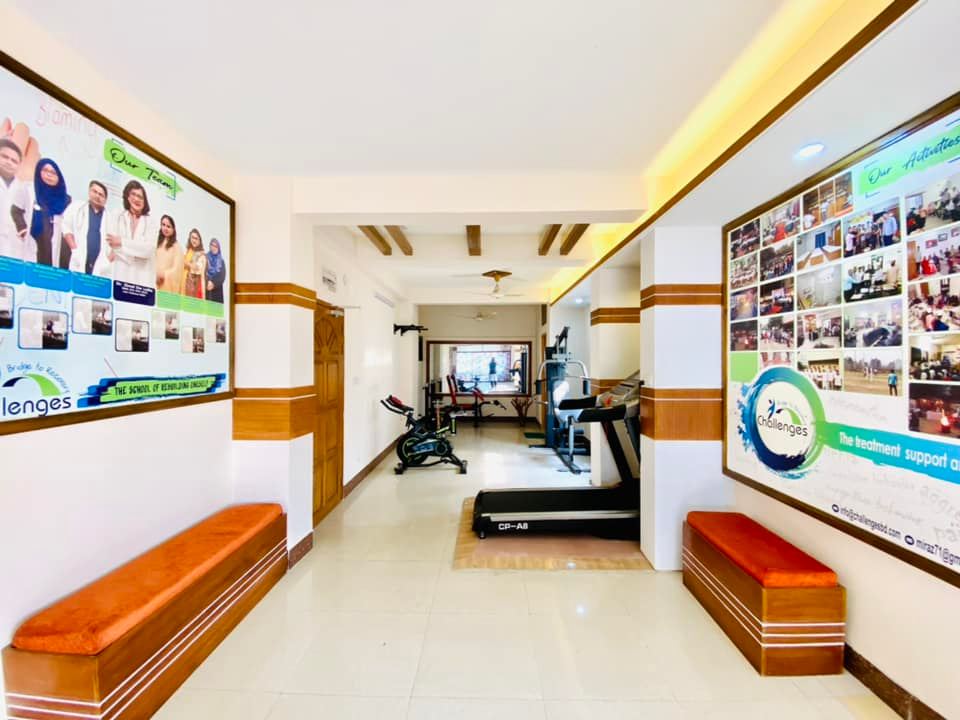
রোগীরা একটি আবাসিক পরিবেশে থেকে উপকৃত হন, যা সম্পূর্ণভাবে সুস্থতার জন্য তৈরি করা হয়েছে। এখানে একটি ভারসাম্যপূর্ণ দৈনন্দিন রুটিন থাকে, যেখানে থেরাপি, বিশ্রাম, সুস্থতা কার্যক্রম, বিনোদন এবং ব্যক্তিগত আত্মচিন্তনের সুযোগ অন্তর্ভুক্ত থাকে। এই কাঠামোবদ্ধ জীবনধারা বিশৃঙ্খলা কমাতে, শৃঙ্খলা গড়ে তুলতে এবং ক্যানাবিস নির্ভরতা থেকে বেরিয়ে আসার সময় অনেক ব্যক্তির প্রয়োজনীয় ধারাবাহিকতা তৈরি করতে সাহায্য করে।
আধ্যাত্মিক ও ব্যক্তিগত বিকাশ
সুস্থতা শুধু ক্যানাবিস ব্যবহার বন্ধ করার বিষয় নয়। এটি নিজের ভেতরের শক্তি, আত্মনিয়ন্ত্রণ এবং জীবনের উদ্দেশ্য পুনর্গঠনের প্রক্রিয়াও। চ্যালেঞ্জেস-এ আধ্যাত্মিক আত্মচিন্তন, দোয়া, মাইন্ডফুলনেস এবং নির্দেশিত ব্যক্তিগত উন্নয়ন কার্যক্রম সুস্থতার যাত্রার একটি গুরুত্বপূর্ণ অংশ হয়ে উঠতে পারে, যা অনেক রোগীকে আবার স্থির, আশাবাদী এবং মনোযোগী হতে সাহায্য করে।
রিহ্যাবের পরও চলমান যত্ন
চিকিৎসা ডিসচার্জের সাথে শেষ হওয়া উচিত নয়। আমাদের ধারাবাহিক যত্নের পদ্ধতি রোগীদের দৈনন্দিন জীবনে ফিরে যাওয়ার সময় সহায়তা করে—ফলো-আপ কাউন্সেলিং, মনোরোগ বিশেষজ্ঞের পর্যালোচনা, রিল্যাপ্স প্রতিরোধ দিকনির্দেশনা এবং নিয়মিত উৎসাহ প্রদানের মাধ্যমে। এই অতিরিক্ত সহায়তা রোগীদের মনোযোগী, স্থিতিশীল এবং বাস্তব জীবনের ট্রিগার মোকাবিলায় আরও প্রস্তুত থাকতে সাহায্য করে।
পরিবারের সহায়তা যা সত্যিই গুরুত্বপূর্ণ
ক্যানাবিস আসক্তি প্রায়ই পরিবারকে উদ্বিগ্ন, ক্লান্ত এবং পরবর্তী পদক্ষেপ নিয়ে অনিশ্চিত করে তোলে। আমরা পারিবারিক কাউন্সেলিংয়ের মাধ্যমে প্রিয়জনদের সম্পৃক্ত করি—যেখানে আসক্তি সম্পর্কে স্পষ্ট ধারণা দেওয়া হয়, যোগাযোগ উন্নত করা হয় এবং আরও সহায়কভাবে কীভাবে প্রতিক্রিয়া জানাতে হয় তা শেখানো হয়। একটি স্বাস্থ্যকর পারিবারিক পরিবেশ দীর্ঘমেয়াদী সুস্থতাকে আরও শক্তিশালী, নিরাপদ এবং টেকসই করে তোলে।
আমাদের ক্যানাবিস চিকিৎসা কীভাবে কাজ করে
আমাদের চিকিৎসা প্রক্রিয়া ধাপে ধাপে এগিয়ে চলে—যাতে প্রতিটি রোগী নিরাপদভাবে চিকিৎসায় প্রবেশ করতে পারে, সঠিকভাবে স্থিতিশীল হতে পারে, সুস্থতার দক্ষতা গড়ে তুলতে পারে এবং রিহ্যাবের পর জীবনের জন্য একটি স্পষ্ট পরিকল্পনা নিয়ে সুস্থতার যাত্রা চালিয়ে যেতে পারে।
1
মূল্যায়ন ও ভর্তি
ভর্তির আগে আমরা ক্যানাবিস ব্যবহারের ধরণ, মানসিক স্বাস্থ্য, সম্ভাব্য ঝুঁকি এবং প্রয়োজনীয় সহায়তা মূল্যায়ন করি।
2
ডিটক্স ও শারীরিক স্থিতিশীলতা
প্রাথমিক প্রত্যাহার পর্যায় ঘনিষ্ঠ পর্যবেক্ষণ, পর্যাপ্ত বিশ্রাম এবং সহায়ক চিকিৎসা সেবার মাধ্যমে নিয়ন্ত্রিতভাবে পরিচালনা করা হয়।
3
মূল আবাসিক চিকিৎসা কর্মসূচি
রোগীরা একটি সুসংগঠিত পরিবেশে থেরাপি, নিয়মিত রুটিন, সুস্থতা কার্যক্রম এবং সুস্থতার কাজ অনুসরণ করে।
4
পারিবারিক সহায়তা
পরিবারগুলোকে স্পষ্টভাবে প্রতিক্রিয়া জানাতে, সহায়ক ভূমিকা রাখতে এবং স্বাস্থ্যকর সীমারেখা (boundaries) বজায় রাখতে দিকনির্দেশনা প্রদান করা হয়।
5
পুনরায় আসক্তি প্রতিরোধ পরিকল্পনা
প্রতিটি রোগী ট্রিগার, মোকাবিলা কৌশল, সতর্কতার লক্ষণ এবং প্রতিরোধমূলক কৌশল সম্পর্কে শেখে।
6
পরবর্তী যত্ন ও আউটপেশেন্ট সেবা
ফলো-আপ সহায়তা রোগীদের ডিসচার্জের পর এবং দৈনন্দিন জীবনে পুনরায় প্রবেশের সময় স্থিতিশীল থাকতে সাহায্য করে।
বিশেষায়িত সেবার ক্ষেত্রসমূহ
যখন পরিবারগুলো চাপ অনুভব করে, তখন চিকিৎসা হতে হবে বাস্তবসম্মত ও মানবিক
বাংলাদেশে অনেক পরিবার আশা করে যে প্রিয়জন নিজে থেকেই মাদক ব্যবহার বন্ধ করবে বা সামাজিক বিচারভীতির কারণে চিকিৎসা নিতে দেরি করে। ফলে যখন সহায়তা নেওয়া হয়, তখন আস্থা অনেক সময় ক্ষতিগ্রস্ত হয়ে যায় এবং দৈনন্দিন জীবনও ব্যাহত হয়। সুসংগঠিত চিকিৎসা রোগী ও পরিবারকে একটি বাস্তবসম্মত সুস্থতার পরিকল্পনা ও সহায়তার মাধ্যমে আবার সামনে এগিয়ে যেতে সাহায্য করে।
ট্রিগার, চিন্তা এবং দৈনন্দিন অভ্যাসের জন্য CBT
- CBT রোগীদের এমন চিন্তার ধরণগুলো চিহ্নিত করতে সাহায্য করে, যা ক্যানাবিস ব্যবহারের ধারাবাহিকতা বজায় রাখে—যেমন স্ট্রেস, হতাশা, অতিরিক্ত আত্মবিশ্বাস, বা এই বিশ্বাস যে তারা এটি ছাড়া মোকাবিলা করতে পারবে না। থেরাপির মাধ্যমে তারা এসব চিন্তাকে প্রশ্ন করতে শেখে, ট্রিগারগুলো বুঝতে পারে এবং ক্ষতিকর অভ্যাসের পরিবর্তে স্বাস্থ্যকর আচরণ গড়ে তোলে। এতে সুস্থতার প্রক্রিয়াটি আরও বাস্তবসম্মত ও ব্যক্তিগত হয়ে ওঠে, কারণ রোগীরা শুধু কী করছে তা নয়, বরং কেন করছে তা-ও বুঝতে শুরু করে।
আবেগ নিয়ন্ত্রণ ও তীব্র ইচ্ছা (Urges) মোকাবিলায় DBT
- DBT রোগীদের সাহায্য করে যারা তীব্র আবেগ, হঠাৎ প্রতিক্রিয়া, রাগ বা ক্যানাবিস ব্যবহারের আকস্মিক ইচ্ছার সঙ্গে সংগ্রাম করে। তাড়াহুড়ো করে প্রতিক্রিয়া দেখিয়ে পরে অনুশোচনা করার বদলে তারা শরীরকে শান্ত করা, বর্তমান মুহূর্তে থাকা, মানসিক চাপ সহ্য করার ক্ষমতা বাড়ানো এবং আরও ভালোভাবে যোগাযোগ করার দক্ষতা শিখে। অনেক রোগীর জন্য এটি দৈনন্দিন জীবনে বেশি নিয়ন্ত্রণ তৈরি করে, বিশেষ করে এমন মুহূর্তগুলোতে যখন চাপ, দ্বন্দ্ব, একাকীত্ব বা হতাশা অন্যথায় পুনরায় আসক্তির দিকে নিয়ে যেতে পারত।
আবেগকে বুঝতে পারলে সুস্থতা আরও শক্তিশালী হয়
ক্যানাবিস আসক্তির সঙ্গে সংগ্রাম করা অনেক মানুষ শুধু মাদকের সাথেই নয়, বরং বিভিন্ন মানসিক ও আবেগগত চাপের সাথেও লড়াই করে। তারা হয়তো স্ট্রেস, লজ্জা, রাগ, একাকীত্ব, পারিবারিক দ্বন্দ্ব বা অতিরিক্ত চাপ বহন করছে, যা তারা কীভাবে সামলাতে হবে তা জানে না। এই অনুভূতিগুলো যখন জমতে থাকে, তখন ক্যানাবিস অনেক সময় সহজ একটি পালানোর উপায় মনে হতে পারে—যদিও এটি বাস্তবে ক্ষতি করছে।
এই কারণেই চ্যালেঞ্জেস-এ চিকিৎসা শুধুমাত্র কাউকে মাদক ব্যবহার বন্ধ করতে বলার মধ্যেই সীমাবদ্ধ নয়। আমরা রোগীদের সাহায্য করি বুঝতে—তারা ব্যবহারের আগে কী অনুভব করে, আবেগ কীভাবে আচরণকে প্রভাবিত করে এবং কীভাবে আরও স্বাস্থ্যকরভাবে প্রতিক্রিয়া জানানো যায়। যখন একজন ব্যক্তি নিজেকে শোনা হয়েছে, নির্দেশনা পেয়েছে এবং মানসিকভাবে আরও শক্তিশালী অনুভব করে, তখন সুস্থতা আরও স্থিতিশীল এবং দৈনন্দিন জীবনের জন্য বাস্তবসম্মত হয়ে ওঠে।
পুনর্বাসন চিকিৎসার গড় খরচ
আমরা এমন ব্যক্তিদের জন্য আবাসিক পুনর্বাসন কর্মসূচি প্রদান করি, যাদের জন্য সুসংগঠিত ও ২৪ ঘণ্টা পেশাদার তত্ত্বাবধান প্রয়োজন। আমাদের ব্যক্তিগতভাবে উপযোগী চিকিৎসা পরিকল্পনা রোগীদের আসক্তি কাটিয়ে উঠতে, মানসিক স্থিতিশীলতা পুনরুদ্ধার করতে এবং একটি আরও সুস্থ ও অর্থবহ জীবনে ফিরে যেতে সহায়তা করে।
সাধারণ ক্যাটাগরি
আবাসিক পুনর্বাসন কর্মসূচি একটি সুসংগঠিত পরিবেশে ২৪ ঘণ্টা যত্ন ও সহায়তা প্রদান করে, যেখানে সম্পূর্ণভাবে সুস্থতার প্রক্রিয়ার উপর গুরুত্ব দেওয়া হয়।
প্রিমিয়াম ক্যাটাগরি
আবাসিক পুনর্বাসন কর্মসূচি একটি আরামদায়ক পরিবেশে ২৪ ঘণ্টা যত্ন ও সহায়তা প্রদান করে।
এক্সট্রা প্রিমিয়াম ক্যাটাগরি
আবাসিক পুনর্বাসন কর্মসূচি একটি ব্যক্তিগত ও সহায়ক পরিবেশে ২৪ ঘণ্টা যত্ন ও সহায়তা প্রদান করে।
Is cannabis addiction really serious enough for rehab?
Yes. When cannabis use starts affecting sleep, studies, work, mood, family life, or the ability to stop, professional treatment can be necessary. Rehab is especially helpful when the person keeps returning to use after trying to quit alone.
Will cannabis withdrawal be dangerous?
Cannabis withdrawal is usually not as medically risky as some other substances, but it can still be very uncomfortable. Sleep disturbance, anxiety, irritability, cravings, and low appetite can push a person back to use. Proper support makes early recovery easier.
How long does cannabis addiction treatment usually take?
It depends on the person’s condition, mental health, relapse history, and home environment. Some patients need a shorter structured stay, while others benefit from longer residential care and aftercare. The right length is decided after assessment.
Can someone recover if they have relapsed many times before?
Yes. Relapse does not mean treatment has failed. It usually means the person needs a stronger plan, better trigger management, more support, or treatment that also addresses emotional and family issues. Many people recover after multiple attempts.
Will my information stay private if I contact a rehab center in Bangladesh?
A professional rehab center like Challenges BD handles patient information with confidentiality and respect. Many families in Bangladesh delay treatment because of stigma, so privacy matters. You can ask about admission, records, and communication policy before enrollment.
অনলাইনে একটি বিনামূল্যের
পরামর্শ সেশন নির্ধারণ করুন
আপনি যা খুঁজছেন তা কি খুঁজে পাচ্ছেন না?