Yaba Addiction Treatment
Yaba addiction can take over a person’s sleep, mood, judgment, health, and family life faster than many people realize. What may begin as curiosity, peer pressure, or a need for extra energy can soon become dependency on Yaba, which many people also refer to as methamphetamine. At CHALLENGES, we provide compassionate, structured, and confidential Yaba addiction treatment in Bangladesh through medical detox, residential rehab, psychological therapy, and ongoing recovery support. Our goal is not only to help someone stop using Yaba, but to help them regain stability, rebuild trust, and return to life with strength, clarity, and hope.
- Psychiatrist-led
- 24/7 Medical Assistance
- Individualized Treatment Plan


Welcome to Challenged BD
Our treatment programs are designed to support each stage of recovery, from withdrawal management to long-term relapse prevention. With medical care, therapy, family guidance, and structured residential support, we help patients recover with dignity and stability.
মেডিকেল ডিটক্স
Medical Detox helps patients withdraw from Yaba under close medical supervision. We manage cravings, sleep problems, anxiety, fatigue, and mood changes safely, giving each person a stable and supported start to recovery.

Inpatient/Residential
Our Inpatient / Residential program offers a safe, structured space away from triggers and daily chaos. With therapy, routine, monitoring, and staff support, patients can focus fully on healing, stability, and recovery.
Aftercare
Aftercare keeps patients connected to recovery after residential treatment. Through follow-up guidance, counseling, relapse prevention planning, and accountability, we support a safer return to family, work, and daily life.
পারিবারিক কাউন্সেলিং
Family Counseling gives loved ones clear guidance throughout recovery. It helps families understand addiction, improve communication, reduce conflict, and learn how to support healing without blame, confusion, or enabling.
Understanding Yaba Addiction
Yaba addiction is more than frequent drug use. Because this stimulant affects the brain, sleep, mood, and judgment, many people become trapped in a cycle of cravings, emotional instability, and repeated relapse. Early treatment can protect health, rebuild family trust, and improve the chance of long-term recovery.
- Strong cravings that return even after trying to stop
- Sleep loss, restlessness, or staying awake for long hours
- Anger, suspicion, mood swings, and emotional instability
- Family conflict, secrecy, financial strain, and isolation
AREAS OF SPECIALTY
Why Choose CHALLENGES for Yaba Addiction Treatment

Life Inside Our Rehabilitation Center
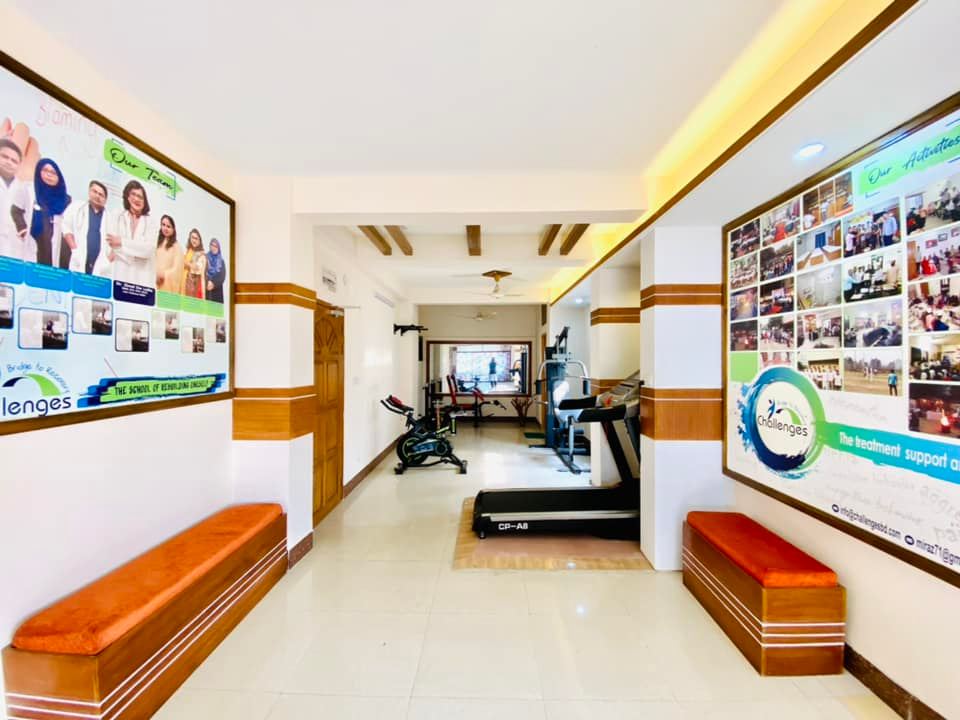
Recovery becomes easier when patients feel safe, settled, and respected. Our residential setting combines accommodation, daily structure, fitness and recreational activities, learning resources, and time for reflection, so healing does not feel chaotic, lonely, or emotionally overwhelming during treatment or daily life inside the center.
Spiritual Growth & Recovery
For many families in Bangladesh, recovery also involves inner discipline and spiritual grounding. We support that journey through prayer, reflection, guided sessions, and mindful routines that help patients rebuild focus, responsibility, patience, and a stronger sense of meaning as they work toward lasting recovery and calm daily life.
Continuing Care & Aftercare
Leaving rehab can feel uncertain, especially when triggers, stress, and old habits are still waiting outside. Our continuing care and aftercare services help patients maintain progress through counseling, psychiatrist follow-up, relapse prevention strategies, and practical support for adjusting back to everyday responsibilities.
Supporting Families in the Recovery Journey
Addiction affects the whole home, not only the person using the drug. We work with families to reduce fear, improve communication, explain the recovery process clearly, and show how to support healing in a healthier way. That guidance helps patients and guardians feel more prepared, informed, and emotionally supported in recovery.
How Treatment Works
Our treatment process moves step by step, helping patients and families understand what happens next, why it matters, and how recovery is supported from admission to aftercare.
1
Assessment and Admission
We assess drug use, mental health, risk level, and family concerns before admission.
2
Detox and Stabilization
Medical support helps manage withdrawal, cravings, sleep issues, and early distress.
3
Core Residential Program
Daily therapy, routine, monitoring, and recovery work build stability over time.
4
Family Support
Families receive guidance, counseling, and practical tools to support recovery.
5
Relapse Prevention Plan
Patients learn trigger control, coping skills, warning signs, and safety planning.
6
Aftercare and Outpatient
Follow-up support helps patients adjust to daily life with lower relapse risk safely.
AREAS OF SPECIALTY
When Yaba Changes Behaviour, Detox Alone Is Not Enough
Many families in Bangladesh seek help only after anger, sleeplessness, lying, suspicion, or aggression damage trust at home. That is why our care goes beyond detox. We use structured therapy to help patients understand triggers, manage emotions, and build safer habits for lasting recovery.
Cognitive Behavioral Therapy (CBT)
CBT helps patients notice the thoughts, situations, and habits that keep Yaba use going. Instead of only saying stop, this therapy teaches people how to challenge harmful thinking, respond better to stress, and make safer choices in real life. It is useful when a patient keeps returning to the same triggers, denies the problem, or struggles to control behaviour after promising to change. Over time, CBT helps build healthier responses.
Dialectical Behavior Therapy (DBT)
DBT is helpful when Yaba addiction comes with intense emotions, impulsive actions, anger, or relationship breakdown at home. Patients learn skills such as calming the mind, tolerating distress, handling conflict, and staying grounded during cravings. For families, this therapy feels relatable because it focuses on what to do in difficult moments, not only what went wrong before. It supports emotional control and steadier behaviour in daily life.
Recovery Needs More Than Willpower
A person struggling with Yaba addiction is often not simply being stubborn or careless. Families may see lying, anger, sleepless nights, fear, and broken promises, but underneath that is a person whose mind and body are no longer functioning normally. Real treatment gives that person a safe place to slow down, feel heard, and begin rebuilding control step by step.
At CHALLENGES, we combine medical care, therapy, structure, and human support so recovery feels practical and possible. Patients are guided through withdrawal, emotional instability, trigger management, and daily discipline, while families receive the clarity they need as well. The aim is not only to stop drug use. It is to help someone return to life with better judgment, healthier habits, and renewed hope.
Average Cost of Rehabilitation Programs
We specialize in providing inpatient rehabilitation programs for individuals who require structured, round-the-clock professional care. Our personalized treatment plans are designed to help patients overcome addiction, restore emotional stability, and return to healthier, more meaningful lives.
General
Inpatient rehabilitation programs provide round-the-clock care and support in a structured residential setting focused on recovery.
Premium
Inpatient rehabilitation programs provide round-the-clock care and support in a comfortable residential environment.
Extra Premium
Inpatient rehabilitation programs provide round-the-clock care and support in a private and supportive residential setting.
What are the common signs of Yaba addiction?
Common signs include staying awake for long hours, sudden anger, suspicious behaviour, strong cravings, loss of appetite, weight loss, family conflict, secrecy, and repeated failure to stop. Some people also show anxiety, restlessness, or major mood changes.
Can someone recover from Yaba addiction at home?
Home recovery may sound easier, but many patients struggle with cravings, sleep problems, emotional distress, and relapse without structured help. When use is regular or behaviour has changed a lot, professional treatment is usually the safer and more effective option.
Is Yaba the same as methamphetamine?
In Bangladesh, many people refer to Yaba as a methamphetamine-based stimulant tablet. People may use different names, but the danger is similar: it can affect sleep, mood, judgment, behaviour, and long-term mental health when use becomes regular.
How long does Yaba addiction treatment usually take?
That depends on the person’s condition, how long they have been using, mental health needs, and family support. Detox may take days, but meaningful recovery often needs a longer structured program followed by aftercare and relapse prevention support.
What happens after a patient leaves residential rehab?
Recovery continues after discharge. Patients may need follow-up counseling, psychiatrist review, relapse prevention planning, and support while returning to family, study, or work. Good aftercare helps reduce relapse risk and keeps recovery connected to real daily life.