Prescription Drug Addiction Treatment
Prescription Drug Addiction can quietly take over daily life, whether it began with painkillers, sleeping pills, sedatives, or other medicines used beyond medical advice. At CHALLENGES, we provide compassionate and structured Prescription Drug Addiction Treatment in Bangladesh for individuals and families seeking real recovery.
Our program focuses on safe medical support, emotional healing, relapse prevention, and rebuilding daily stability. From detox and residential care to counselling and aftercare, we help each person recover with dignity. If you or someone you love is struggling with dependency, cravings, or repeated misuse of prescribed medicine, professional help can make recovery possible.
- Psychiatrist-led
- 24/7 Medical Assistance
- Individualized Treatment Plan
Our Treatment Programs for Prescription Drug Recovery
Our treatment programs are designed for people facing dependence on prescription opioids, sedatives, sleeping tablets, stimulants, or mixed medications. Each plan combines medical care, therapy, structured routine, and family support so recovery can begin safely and continue with confidence.
মেডিকেল ডিটক্স
Our Medical Detox helps patients withdraw from prescription painkillers, sedatives, or sleeping tablets under close supervision, with support for cravings, discomfort, sleep issues, and early emotional instability.

Inpatient/Residential
Our Inpatient / Residential program offers a safe, structured setting where patients receive therapy, medical monitoring, daily routine, and round the clock support to step away from misuse, triggers, and unhealthy habits.
Aftercare
Our Aftercare program helps patients stay steady after residential treatment through follow-up counselling, relapse prevention planning, routine support, and guidance for returning to family, work, and daily responsibilities.
পারিবারিক কাউন্সেলিং
Our Family Counseling helps loved ones understand prescription drug dependence, improve communication, rebuild trust, and learn how to support recovery without blame, panic, pressure, or actions that may worsen the problem.
Understanding Prescription Drug Addiction
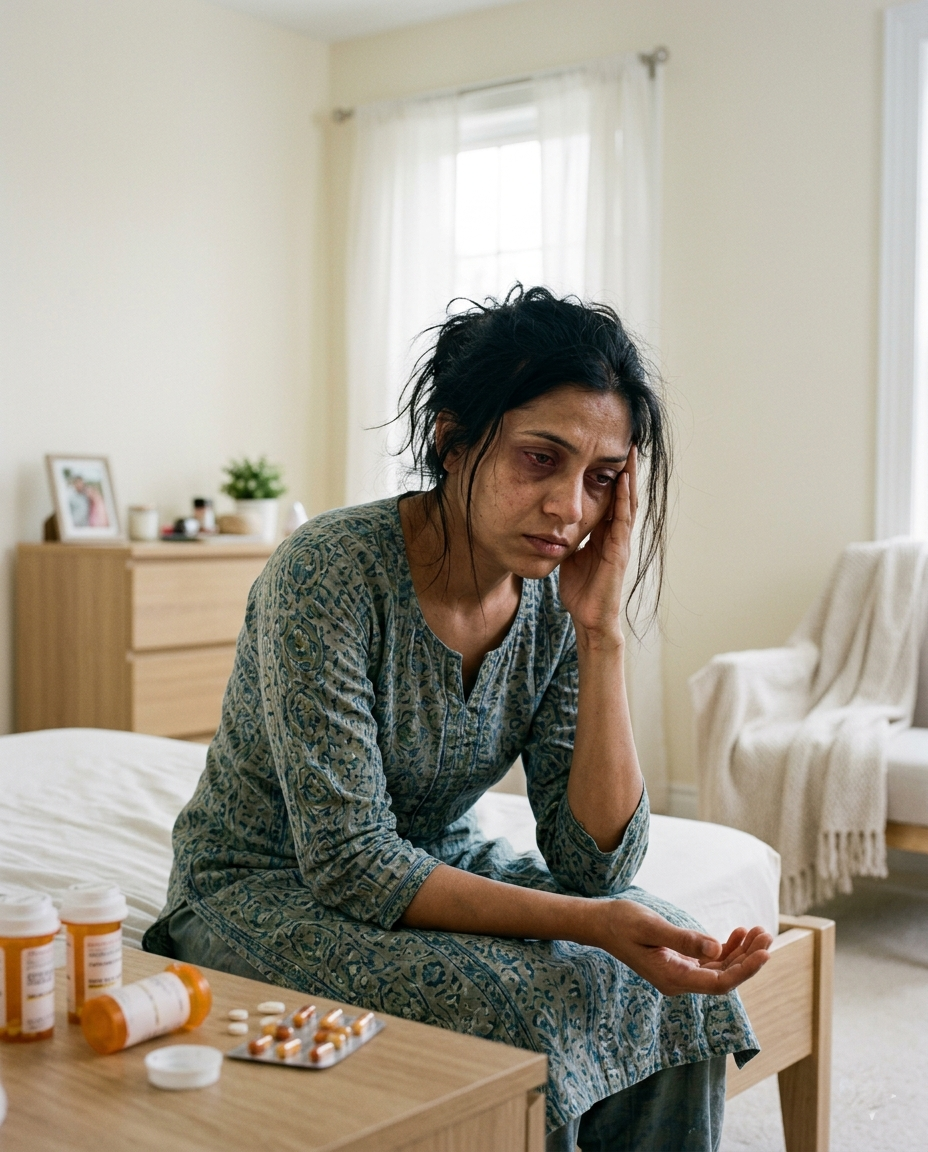
Prescription drug addiction often starts quietly. What begins as treatment for pain, anxiety, sleep, or focus can grow into dependence, cravings, secrecy, and loss of control without proper support.
• Dependence can build faster than families expect
• Cravings and withdrawal affect daily stability
• Misuse can harm sleep, mood, and relationships
• Early treatment improves safety and recovery
AREAS OF SPECIALTY
Why choose our center

Safe and Supportive Residential Care
Recovery becomes harder when a person stays in the same environment that feeds misuse. Our residential setting gives patients a calm, secure place to step away from access, pressure, and daily triggers while receiving consistent care, healthy routine, rest, and emotional support from a trained team that understands addiction recovery.
Structured Life Inside the Center
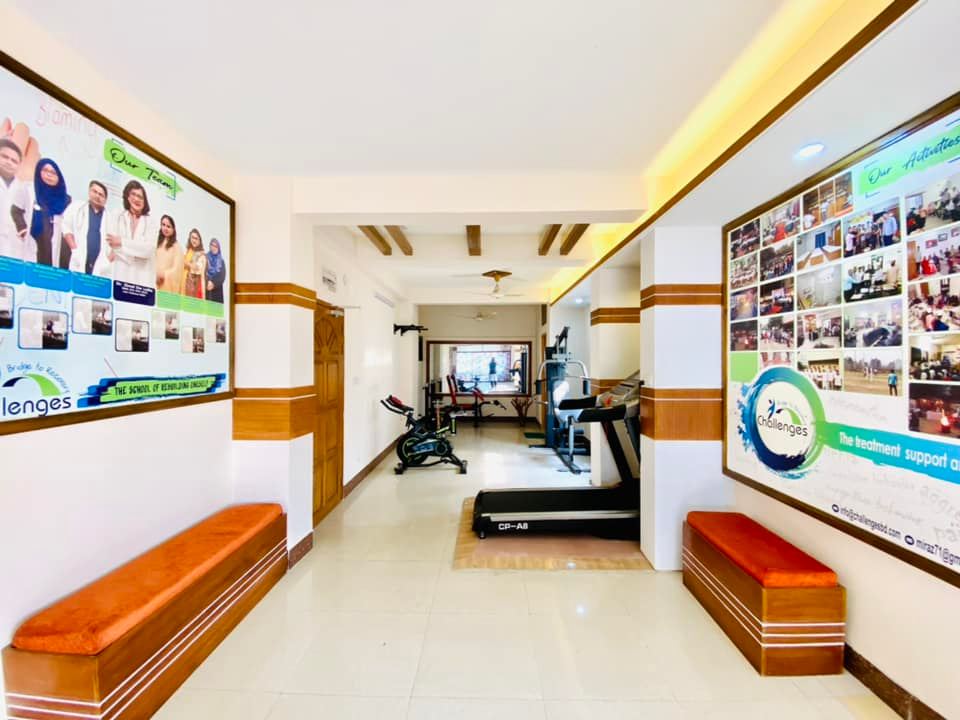
Many patients lose routine during prescription drug dependence. At CHALLENGES, each day is organized with therapy, wellness activities, reflection time, fitness, recreation, and guided support. This structure helps patients rebuild discipline, improve focus, reduce emotional chaos, and return to a healthier daily rhythm with confidence.
Spiritual and Personal Strength
For many families in Bangladesh, recovery is not only physical and mental but also deeply personal. We encourage spiritual well-being through prayer, reflection, mindfulness, and values-based support so patients can rebuild inner strength, self-control, purpose, and hope while moving away from guilt and destructive patterns over time.
Recovery Support Beyond Discharge
Leaving rehab can feel uncertain without the right plan. Our continuing care includes follow-up counselling, relapse prevention strategies, psychiatrist support when needed, and guidance for returning to family and social life. This helps patients maintain progress, handle triggers, and avoid slipping back into prescription drug misuse.
How Treatment Works
From first assessment to aftercare, our process gives patients and families a clear path to safe recovery, emotional healing, daily structure, and long-term relapse prevention.
1
Assessment and Admission
We assess drug history, mental health, risk level, and readiness for structured care.
2
Detox and Stabilization
Patients receive monitored support for withdrawal, sleep, cravings, and early stability.
3
Core Residential Program
Daily therapy, routine, medical support, and guided recovery in a safe setting daily.
4
Family Support
Families receive guidance to communicate better and support recovery the right way.
5
Relapse Prevention Plan
Each patient builds a practical plan to manage triggers, stress, and future risks.
6
Aftercare and Outpatient
Follow-up support helps patients stay accountable after leaving residential care.
AREAS OF SPECIALTY
When Prescribed Medicine Becomes a Hidden Family Crisis
In Bangladesh, families often struggle to see when prescribed medicine has become dependency. The problem may stay hidden behind sleep issues, mood changes, missed duties, or repeated excuses. Our approach treats both addiction and the emotional pain behind it with dignity, structure, and care.
CBT for Prescription Drug Recovery
- Cognitive Behavioral Therapy helps patients understand the thought patterns behind prescription drug misuse. Many people start taking extra tablets to sleep, calm anxiety, manage stress, or escape emotional pressure. In CBT, they learn to identify those patterns, challenge unhealthy beliefs, manage triggers, and replace drug-seeking behavior with safer coping skills and healthier routines that support lasting recovery and stability.
DBT for Emotional Control and Stability
- Dialectical Behavior Therapy is helpful for patients who feel overwhelmed, impulsive, emotionally reactive, or unable to cope without medication. It teaches practical skills for handling distress, calming intense emotions, improving communication, and making safer choices in hard moments. This is especially valuable when prescription drug misuse is linked with panic, anger, shame, unstable relationships, or pill use to escape difficult feelings.
Recovery Is Not Only About Stopping the Pills
When prescription medicine becomes a dependency, many patients feel ashamed because the drug was once part of a real medical need. Families also feel confused. They may wonder whether the person is sick, careless, or simply refusing to listen. In reality, prescription drug addiction can affect judgment, emotions, sleep, and self-control in ways that are hard to manage alone. Our team works with both the patient and the family in a calm, respectful way. We focus on understanding why the misuse continued, what triggers it now, and how to build safer habits step by step. The goal is not only to stop the drug use, but to help the person feel stable, trusted, and able to live normally again.
Average Cost of Rehabilitation Programs
We specialize in providing inpatient rehabilitation programs for individuals who require structured, round-the-clock professional care. Our personalized treatment plans are designed to help patients overcome addiction, restore emotional stability, and return to healthier, more meaningful lives.
General
Inpatient rehabilitation programs provide round-the-clock care and support in a structured residential setting focused on recovery.
Premium
Inpatient rehabilitation programs provide round-the-clock care and support in a comfortable residential environment.
Extra Premium
Inpatient rehabilitation programs provide round-the-clock care and support in a private and supportive residential setting.
What types of prescription drugs can lead to addiction?
Prescription drug addiction may involve painkillers, sleeping pills, anxiety medicines, sedatives, or stimulants when they are used more often, in higher doses, or without proper medical guidance. The exact treatment plan depends on the drug, the level of dependence, and the patient’s condition.
How do I know if my loved one needs professional treatment?
Warning signs can include cravings, repeated dose increase, mood changes, sleep problems, secrecy, poor focus, missed responsibilities, or withdrawal symptoms when the medicine is reduced. If these signs continue, a professional assessment is usually the safest next step.
Is detox enough to recover from prescription drug addiction?
Not usually. Detox helps the body begin to stabilize, but lasting recovery often needs therapy, behavior change, trigger management, family support, and follow-up care. Without that next step, many people return to misuse even after getting through withdrawal.
How long does treatment usually take?
Treatment length depends on the drug involved, withdrawal severity, mental health condition, relapse history, and home environment. Some patients need detox and residential care, while others also need longer aftercare support to remain stable after leaving the center.
What is different about a hospital-based outpatient clinic?
We specialize in providing inpatient rehabilitation for patients who require round-the-clock hospital care. We use personalized treatments to get you back to living your life.
Can a person recover after relapsing more than once?
Yes. A relapse does not mean treatment has failed. It often shows that the person needs stronger support, better trigger management, a safer environment, or a more structured recovery plan. Many people achieve long-term recovery after more than one treatment attempt.
When should we choose residential rehab instead of only outpatient support?
Residential treatment may be the better choice when there is strong dependence, repeated relapse, withdrawal risk, emotional instability, easy access to the medicine, or a home environment that makes recovery harder. A proper assessment helps decide the safest level of care.
Can’t find what you’re looking for?