Gambling Addiction Treatment in Bangladesh
When gambling begins to control your money, time, emotions, and family life, it is no longer just a habit. It becomes a serious behavioral addiction that needs proper care. At CHALLENGES, we provide structured, compassionate, and confidential treatment for gambling addiction in Bangladesh. Our program helps patients break the cycle of urges, secrecy, chasing losses, and emotional distress through professional assessment, therapy, family support, and long-term relapse prevention. Whether the problem involves online betting, sports betting, card games, or repeated risky gambling, we help individuals regain control, rebuild trust, and move toward a more stable life again.
- Psychiatrist-led
- 24/7 Medical Assistance
- Individualized Treatment Plan

Our Treatment Programs for Gambling Addiction
Our treatment programs for gambling addiction are designed to address the emotional, behavioral, family, and mental health effects of compulsive gambling. Through residential care, psychiatric support, evidence-based therapy, and continued aftercare, we help patients move from crisis and secrecy toward control, accountability, and lasting recovery.
Medical & Psychiatric Stabilization
Gambling addiction often comes with severe stress, sleep loss, anxiety, depression, or hidden substance use. We begin with medical and psychiatric assessment, emotional stabilization, and a safe care plan for recovery.

Inpatient/Residential
Our residential program removes betting triggers, debt pressure, and daily chaos so patients can focus on recovery. With structured therapy, routine, and close support, they begin rebuilding control, trust, and stability.
Aftercare
Returning home can reactivate urges, secrecy, and financial pressure. Our aftercare helps patients follow a relapse-prevention plan, attend follow-ups, strengthen coping skills, and stay connected to support after discharge.
পারিবারিক কাউন্সেলিং
Gambling addiction affects the whole family, not only the person betting. Family counselling helps loved ones understand the problem, set healthier boundaries, improve communication, and support recovery without enabling it.
What Gambling Addiction Can Look Like
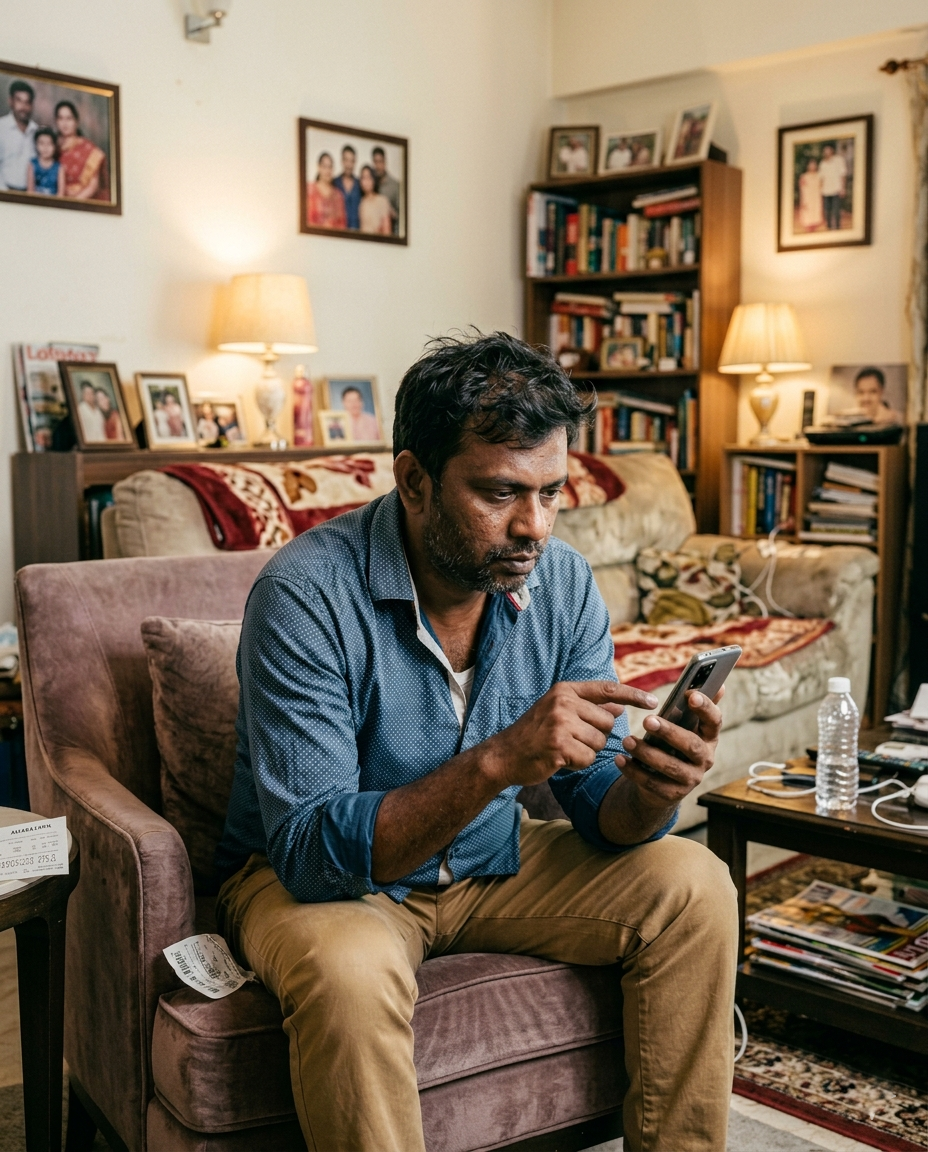
Gambling addiction is not only about losing money. It often involves loss of control, repeated betting despite harm, secrecy, chasing losses, emotional distress, family conflict, and debt. Many people continue gambling to escape pressure, guilt, or hopelessness, even when the damage is already clear.
- Repeated betting even after serious financial loss
- Hiding debts, lies, or borrowed money from family
- Strong urges to win back losses by betting again
- Work, study, sleep, or relationships start to suffer
AREAS OF SPECIALTY
Why Families Choose CHALLENGES for Gambling Addiction Recovery

Life Inside Our Rehabilitation Center
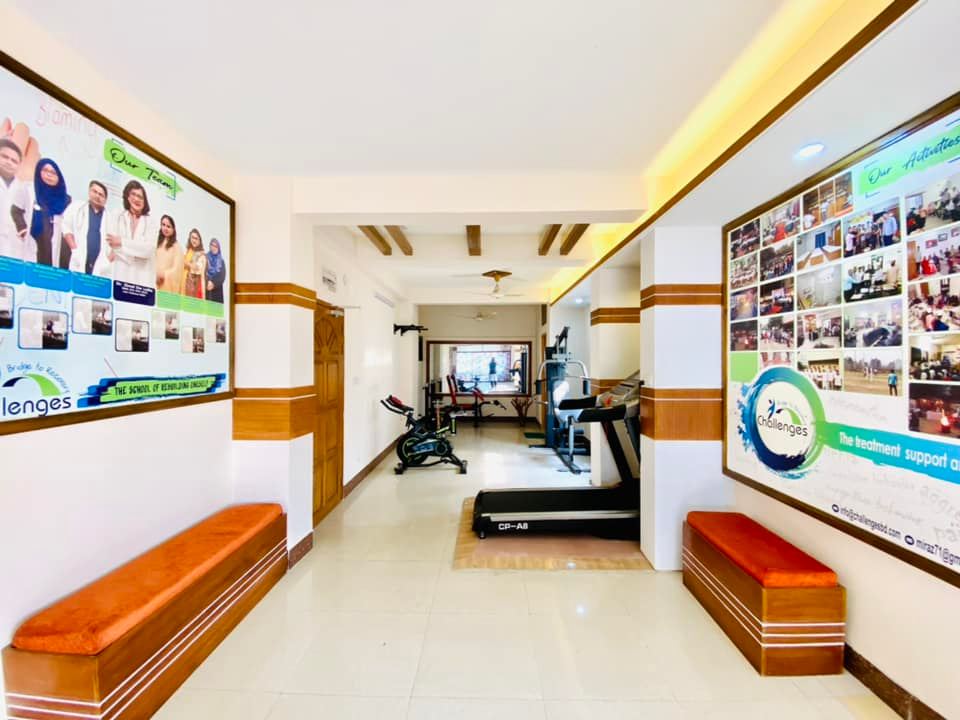
Life inside our rehabilitation center is calm, organized, and recovery-focused. Patients follow a daily routine that combines therapy, rest, wellness activities, reflection, and healthy social time. This structure is vital for gambling addiction, where impulsive decisions, secrecy, and emotional swings often keep the cycle alive.
Spiritual Growth & Recovery
We do not focus only on stopping gambling for a few days. Our team works on the deeper patterns behind the behavior, including urges, stress, shame, poor coping, family conflict, and co-occurring mental health concerns. The goal is to help each patient rebuild judgment, emotional balance, and a healthier direction for everyday life.
Continuing Care & Aftercare
Recovery becomes harder when patients return to the same financial pressure, loneliness, or easy access to betting. Our aftercare planning is designed to stay practical, with follow-up support, relapse-prevention strategies, routine guidance, and accountability that help patients protect progress after residential treatment ends.
Supporting Families in the Recovery Journey
Families often feel exhausted, confused, and financially shaken by gambling addiction. We help loved ones understand what is happening, how to respond without enabling, and how to support recovery with healthier communication and stronger boundaries. That makes home life safer, calmer, and more supportive for long-term, lasting change.
How Our Gambling Addiction Treatment Works
Our treatment process is designed to move patients from crisis and chaos toward insight, structure, accountability, and long-term recovery with the right support at each stage.
1
Assessment and Admission
We review gambling patterns, mental health, risks, family concerns, and care needs.
2
Detox and Stabilization
We reduce distress, assess co-occurring issues, and create a safe early recovery plan.
3
Core Residential Program
Daily therapy, routine, reflection, and support help patients rebuild self-control.
4
Family Support
Families learn boundaries, communication, and how to support recovery the right way.
5
Relapse Prevention Plan
Patients learn trigger management, money safeguards, and practical coping steps.
6
Aftercare and Outpatient
Follow-ups and continued guidance help patients stay steady after discharge home.
AREAS OF SPECIALTY
When Gambling Has Damaged Trust, Treatment Must Rebuild More Than Behavior
In many families, gambling addiction stays hidden until debt, lies, anger, or repeated promises begin to break trust at home. That is why our treatment focuses not only on stopping bets, but also on understanding urges, rebuilding self-control, and helping families feel safe and involved again.
CBT for Gambling Triggers and Harmful Thought Patterns
- Cognitive Behavioral Therapy helps patients understand the thought patterns that keep gambling going, such as chasing losses, false hope, denial, and the belief that one more bet will fix everything. In practical sessions, patients learn how to challenge those thoughts, respond to triggers differently, and replace risky habits with healthier decisions. This helps people break the same gambling cycle after repeated harm at home and in life.
DBT for Urges, Emotional Pressure, and Impulsive Reactions
- Dialectical Behavior Therapy is useful when gambling is tied to intense emotions, impulsive actions, or difficulty calming down under pressure. Patients learn skills for handling urges, tolerating distress, staying present, and communicating more effectively. For someone who gambles after stress, shame, boredom, or conflict, DBT can make recovery feel more manageable by teaching what to do in the moment instead of reacting automatically.
A Treatment Plan That Understands the Person Behind the Gambling
Many families come to treatment after months or years of stress, hidden debt, broken promises, and painful arguments. By that stage, both the patient and the family may feel exhausted. Our approach begins by understanding what gambling has been doing in that person’s life, whether it is an escape from pressure, a response to loneliness, or a pattern linked with anxiety, depression, or impulsive behavior.
Average Cost of Rehabilitation Programs
We specialize in providing inpatient rehabilitation programs for individuals who require structured, round-the-clock professional care. Our personalized treatment plans are designed to help patients overcome addiction, restore emotional stability, and return to healthier, more meaningful lives.
General
Inpatient rehabilitation programs provide round-the-clock care and support in a structured residential setting focused on recovery.
Premium
Inpatient rehabilitation programs provide round-the-clock care and support in a comfortable residential environment.
Extra Premium
Inpatient rehabilitation programs provide round-the-clock care and support in a private and supportive residential setting.
Is gambling addiction really a treatment issue?
Yes. Gambling addiction is a recognized behavioral addiction marked by loss of control, continued betting despite harm, and major effects on money, relationships, work, and mental health. It often needs structured professional treatment, not just advice or willpower.
How do I know if my family member needs residential treatment?
Residential care may be needed when gambling is causing repeated debt, lying, borrowing money, family conflict, emotional distress, failed attempts to stop, or risky behavior. A proper assessment helps decide whether structured inpatient care is the right next step.
Does online betting or sports betting count as gambling addiction?
Yes. If a person keeps betting online, through apps, sports markets, cards, or other platforms despite harm, the problem is still gambling addiction. The platform may change, but the core issue is the same: loss of control and continued behavior despite damage.
Can family members be involved in the treatment process?
They should be, when appropriate. Family counselling can help loved ones understand gambling addiction, improve communication, set financial and emotional boundaries, and support recovery without rescuing or enabling the behavior.
Will treatment remain confidential?
Yes. Privacy matters deeply in addiction treatment, especially when families are already under stress or social pressure. Confidential assessment, respectful communication, and careful handling of personal information help patients and guardians seek help with more confidence.
Schedule a Free
Consultation Online