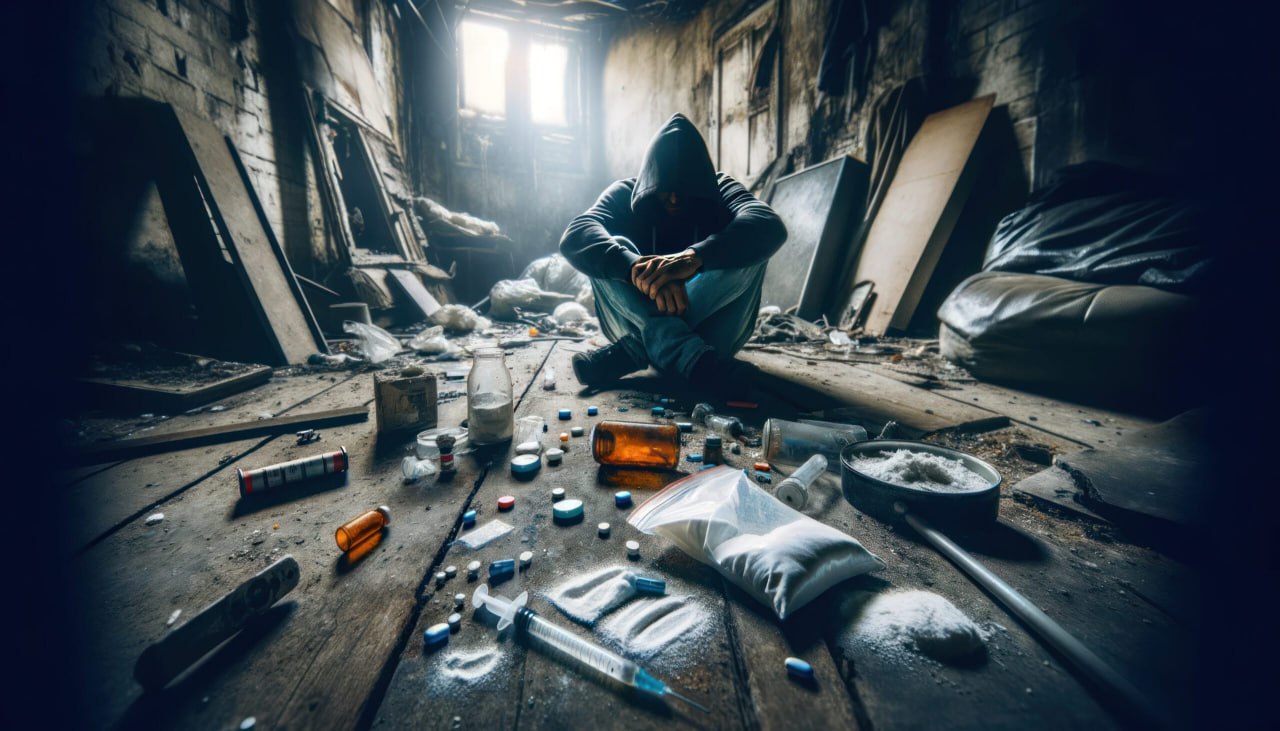
Drug addiction often becomes serious before families fully understand what is happening. In many cases, the warning signs appear gradually. At first, they may seem like stress, mood changes, tiredness, or personal problems.
But when drug use begins affecting health, behavior, relationships, and daily responsibilities, professional help may be necessary. Recognizing these signs early can help a person receive proper treatment before the situation becomes more dangerous.
Why Recognizing the Signs Early Matters
Many families in Bangladesh wait too long before seeking treatment.
Sometimes they hope the person will stop on their own. Sometimes they feel ashamed, confused, or unsure whether the problem is serious enough for rehabilitation.
That delay can make recovery more difficult.
Addiction does not only affect the person using drugs. It can also damage physical health, emotional stability, family trust, and daily life. The earlier the signs are recognized, the sooner meaningful support can begin.
What Professional Drug Rehabilitation Treatment Means
Professional drug rehabilitation treatment is more than simply asking someone to stop using drugs.
It involves structured care designed to help a person move away from substance use safely and rebuild stability in life. Depending on the condition, treatment may include medical support, counseling, monitoring, and a recovery-focused environment.
This becomes especially important when a person cannot stop alone, keeps returning to drug use, or shows clear signs of dependency.
10 Signs Someone May Need Professional Drug Rehabilitation Treatment
1. They Cannot Control Their Drug Use
One of the clearest signs is loss of control.
The person may say they will reduce drug use, stop next week, or use only occasionally. But in reality, the pattern continues.
You may notice that:
- they use more often than they admit
- they cannot keep promises about stopping
- drug use continues despite obvious harm
When someone has lost control over their use, professional support is often needed.
2. They Feel Sick When They Try to Stop
Withdrawal symptoms are a strong warning sign.
When the body becomes dependent on a substance, trying to stop can trigger physical or emotional discomfort. This may include restlessness, sweating, irritability, anxiety, sleep problems, shaking, or intense cravings.
At that stage, quitting without proper support can become very difficult.
3. They Have Tried to Quit but Keep Relapsing
Many people struggling with addiction do want to stop.
They may make sincere attempts. They may stop for a few days or even a few weeks. But then they return to the same cycle.
Repeated relapse often shows that the problem has gone beyond what self-control alone can manage.
When this keeps happening, professional rehabilitation should be seriously considered.
4. They Need More of the Substance to Feel the Same Effect
This is known as tolerance.
Over time, the same amount of a substance may no longer create the same effect. As a result, the person may begin taking more or using more often. That pattern is dangerous.
It usually shows that the addiction is progressing and the risk is becoming greater.
5. Their Mood and Behavior Have Changed
Drug addiction often changes how a person reacts, behaves, and connects with others.
Someone who was once calm, focused, or involved with family may become distant, angry, careless, or emotionally unstable.
You may observe:
- sudden mood swings
- unusual aggression
- irritability over small issues
- loss of interest in normal life
- withdrawal from family members
These changes should not be ignored, especially when they appear alongside suspected substance use.
6. Their Physical Health Is Getting Worse
Addiction often affects the body as well.
The person may start looking weak, exhausted, or unwell. Personal care may decline. Eating and sleeping habits may become irregular. In some cases, weight loss or frequent illness becomes visible.
Common signs include:
- poor hygiene
- low energy
- sleep disturbance
- appetite changes
- visible physical decline
When drug use is already harming the body, treatment becomes more urgent.
7. Their Work, Study, or Daily Responsibilities Are Suffering
A person dealing with addiction often begins to lose structure in everyday life.
They may miss work, skip classes, ignore responsibilities, or fail to follow through on basic commitments. Performance drops. Routine weakens. Discipline fades.
If drug use is affecting study, work, or responsibilities at home, the situation may already be serious enough for rehabilitation.
8. They Are Becoming Secretive or Taking Risks
As addiction grows, secrecy often grows with it.
The person may hide where they go, avoid questions, lie about money, or behave suspiciously when asked about their actions. Some may also begin taking unsafe personal risks.
This can include:
- hiding substance use
- avoiding family conversations
- lying about spending
- disappearing for long periods
- acting in risky ways
Secrecy often increases when someone knows the problem is getting worse.
9. Their Relationships Are Breaking Down
Addiction damages trust.
Family members may feel hurt, afraid, or emotionally exhausted. Arguments may happen more often. Communication may become strained. The person may withdraw from loved ones or react defensively whenever anyone tries to help.
When drug use begins seriously affecting relationships at home, it is a strong sign that professional intervention may be necessary.
10. Drug Use Is Affecting Their Mental Health
Drug addiction and mental health struggles often appear together.
A person may become deeply anxious, emotionally unstable, hopeless, or depressed. In some cases, drug use may worsen existing emotional difficulties. In other cases, emotional distress may be helping drive the addiction.
Signs may include:
- severe anxiety
- ongoing sadness
- panic
- emotional numbness
- extreme irritability
- mental distress
When substance use and mental health symptoms happen together, professional rehabilitation becomes even more important.
When Professional Rehabilitation Becomes Necessary
Not every case of drug use looks the same.
Still, some patterns clearly suggest that treatment should not be delayed any longer.
Professional rehabilitation becomes necessary when:
- the person cannot stop on their own
- withdrawal symptoms appear
- relapse keeps happening
- physical health is getting worse
- daily life is breaking down
- relationships are being damaged
- mental health is being affected
At that point, the problem is no longer just a harmful habit.
It may require structured care, supervision, and recovery support.
A Compassionate Step Toward Recovery
Recognizing the signs of addiction can be painful for any family.
It is not easy to accept that someone close may need professional drug rehabilitation treatment. But ignoring the signs often allows the situation to become worse.
Seeking help is not a punishment.
It is a step toward safety, healing, and recovery.
For individuals and families in Bangladesh, early action can make a real difference. When the signs are clear, professional rehabilitation may provide the support needed to rebuild life with dignity and hope.
Frequently Asked Questions
How do I know if someone needs professional drug rehabilitation treatment?
A person may need professional rehabilitation treatment when they cannot stop using drugs on their own, experience withdrawal symptoms, relapse repeatedly, or show clear changes in health, behavior, relationships, and daily functioning.
What are the most common signs of drug addiction?
Some common signs include loss of control over drug use, mood swings, secrecy, declining health, poor performance at work or study, social withdrawal, and repeated failed attempts to quit.
Can someone recover without professional rehabilitation?
Some people may try to stop on their own, but when dependency, withdrawal, relapse, or serious life disruption is involved, professional rehabilitation is often the safer and more effective option.
When should a family seek help for a loved one struggling with drug addiction?
Families should seek help when the person’s drug use starts affecting physical health, emotional stability, relationships, safety, or daily life. Early support often improves the chances of recovery.
Why is professional drug rehabilitation important?
Professional rehabilitation provides structured care, medical support when needed, counseling, and a recovery-focused environment that helps a person move beyond addiction more safely and effectively.
Is drug rehabilitation treatment only for severe addiction cases?
Not always. Professional treatment can help at different stages. Seeking support early may prevent the addiction from becoming more severe and reduce long-term harm.
Can drug addiction affect mental health?
Yes. Drug addiction can worsen anxiety, depression, emotional instability, and other mental health concerns. In many cases, both issues need to be addressed together for proper recovery.
Is it common for families in Bangladesh to delay treatment?
Yes, many families delay treatment because of confusion, denial, fear, or social stigma. Unfortunately, waiting too long can make the situation harder to manage.