
বাংলাদেশে সোশ্যাল মিডিয়া আসক্তির চিকিৎসা
যখন সোশ্যাল মিডিয়া ঘুম, পড়াশোনা, কাজ, মেজাজ এবং সম্পর্ককে নিয়ন্ত্রণ করতে শুরু করে, তখন সমস্যাটি শুধু “অতিরিক্ত ফোন ব্যবহার” এর চেয়ে অনেক বড় হয়ে যায়। চ্যালেঞ্জেস-এ আমরা বাংলাদেশে কিশোর, তরুণ এবং প্রাপ্তবয়স্কদের জন্য কাঠামোবদ্ধ সোশ্যাল মিডিয়া আসক্তির চিকিৎসা প্রদান করি, যারা বাধ্যতামূলক স্ক্রলিং, রিল দেখা আসক্তি, স্মার্টফোন নির্ভরতা এবং ডিজিটাল প্ল্যাটফর্মের অতিরিক্ত মানসিক ব্যবহার নিয়ে সংগ্রাম করছেন। আমাদের রেসিডেনশিয়াল প্রোগ্রামে রয়েছে সাইকিয়াট্রিক মূল্যায়ন, বিহেভিয়ারাল থেরাপি, দৈনন্দিন রুটিন পুনর্গঠন, পারিবারিক পরামর্শ এবং নিরাপদ পরিবেশে রিল্যাপ্স প্রতিরোধ পরিকল্পনা। আমরা রোগীদের স্ক্রিন নির্ভরতা কমাতে, ট্রিগার চিহ্নিত করতে, আকাঙ্ক্ষা নিয়ন্ত্রণ করতে, আবেগ নিয়ন্ত্রণ উন্নত করতে এবং সম্মান, গোপনীয়তা ও পেশাদার সহায়তার মাধ্যমে একটি স্বাস্থ্যকর ও স্থায়ী অফলাইন জীবন গড়ে তুলতে সহায়তা করি।
- মনোরোগ বিশেষজ্ঞের নেতৃত্বে
- ২৪/৭ চিকিৎসা সহায়তা
- ব্যক্তিগতভাবে উপযোগী চিকিৎসা পরিকল্পনা


সোশ্যাল মিডিয়া আসক্তির চিকিৎসা প্রোগ্রামসমূহ
আমাদের চিকিৎসা প্রোগ্রামগুলো এমন ব্যক্তিদের জন্য তৈরি করা হয়েছে, যাদের সোশ্যাল মিডিয়া ব্যবহার বাধ্যতামূলক হয়ে গেছে, আবেগগতভাবে অস্থিরতা তৈরি করছে, অথবা দৈনন্দিন জীবনে ক্ষতিকর প্রভাব ফেলছে। কাঠামোবদ্ধ চিকিৎসা, থেরাপি, পারিবারিক সহায়তা এবং ধাপে ধাপে পরিকল্পনার মাধ্যমে আমরা রোগীদের নিয়ন্ত্রণ পুনরুদ্ধার করতে এবং স্বাস্থ্যকর রুটিন গড়ে তুলতে সহায়তা করি।
ডিজিটাল ডিটক্স ও স্থিতিশীলতা
আমাদের ডিজিটাল ডিটক্স ও স্থিতিশীলতা প্রোগ্রাম রোগীদের কাঠামোবদ্ধ পরিবেশে বাধ্যতামূলক স্ক্রলিং থেকে ধীরে ধীরে দূরে আসতে সহায়তা করে, একই সাথে আমরা ঘুমের সমস্যা, বিরক্তিভাব, উদ্বেগ এবং ক্রমাগত ফোন ও অ্যাপ ব্যবহারের পেছনের অভ্যাসগুলো নিয়ে কাজ করি।

আবাসিক রিহ্যাব
আমাদের ইনপেশেন্ট / রেসিডেনশিয়াল প্রোগ্রাম রোগীদের জন্য একটি ফোকাসড, স্ক্রিন-নিয়ন্ত্রিত পরিবেশ প্রদান করে, যেখানে ২৪ ঘণ্টা সহায়তা, থেরাপি, দৈনন্দিন রুটিন পুনর্গঠন এবং পেশাদার যত্নের মাধ্যমে এমন একটি স্থিতিশীল পরিবেশ তৈরি করা হয় যাতে ডিজিটাল ট্রিগার ছাড়াই সুস্থতা পুনরুদ্ধার শুরু করা যায়।
চিকিৎসা পরবর্তী যত্ন
আমাদের আফটারকেয়ার প্রোগ্রাম রোগীদের দৈনন্দিন জীবনে ফিরে যাওয়ার প্রক্রিয়াকে সহায়তা করে, যেখানে রিল্যাপ্স প্রতিরোধ পরিকল্পনা, ডিজিটাল সীমা নির্ধারণ, ফলো-আপ কাউন্সেলিং এবং বাস্তবভিত্তিক নির্দেশনার মাধ্যমে রোগীরা ফোন, অ্যাপ এবং আকাঙ্ক্ষা ফিরে এলেও স্থিতিশীল থাকতে পারেন।
পারিবারিক কাউন্সেলিং
আমাদের পারিবারিক কাউন্সেলিং প্রিয়জনদের সোশ্যাল মিডিয়া আসক্তি সম্পর্কে বোঝাতে সহায়তা করে, বাড়ির ভেতরের সংঘাত কমায়, যোগাযোগ উন্নত করে এবং দোষারোপ, আতঙ্ক বা ক্ষমতার লড়াই ছাড়াই কীভাবে রোগীর সুস্থতায় সহায়তা করা যায় তা শেখায়—যা সুস্থতার প্রক্রিয়াকে আরও সহজ করে তোলে।
সোশ্যাল মিডিয়া আসক্তি কেমন হতে পারে
সোশ্যাল মিডিয়া আসক্তি হলো একটি আচরণগত প্যাটার্ন, যেখানে স্ক্রলিং, পোস্ট করা, নোটিফিকেশন চেক করা বা রিল দেখা ধীরে ধীরে দৈনন্দিন জীবনকে নিয়ন্ত্রণ করতে শুরু করে। এটি ঘুম, মনোযোগ, পড়াশোনা, কাজ, মেজাজ, সম্পর্ক এবং আত্মসম্মানের উপর প্রভাব ফেলতে পারে। অনেক পরিবার প্রথমে সমস্যাটি বুঝতে পারে যখন ফোন ব্যবহারের কারণে দ্বন্দ্ব, গোপনীয়তা, বিরক্তিভাব বা বাস্তব জীবন থেকে দূরে সরে যাওয়ার প্রবণতা দেখা দেয়।
- ঘুম এবং দৈনন্দিন রুটিন ব্যাহত করে এমন বাধ্যতামূলক স্ক্রলিং
- রিল দেখা যা পড়াশোনা বা কাজের প্রতি মনোযোগ নষ্ট করে
- ফোন ব্যবহার থেকে বিরক্তিভাব, গোপনীয়তা এবং পারিবারিক দ্বন্দ্ব সৃষ্টি হওয়া
- স্ক্রিন নির্ভরতা যা বাস্তব জীবনের সম্পর্ক এবং আনন্দকে দুর্বল করে দেয়
বিশেষায়িত সেবার ক্ষেত্রসমূহ
Why Families Choose Challenges for Social Media Addiction Treatment

কাঠামোবদ্ধ দৈনন্দিন রুটিন
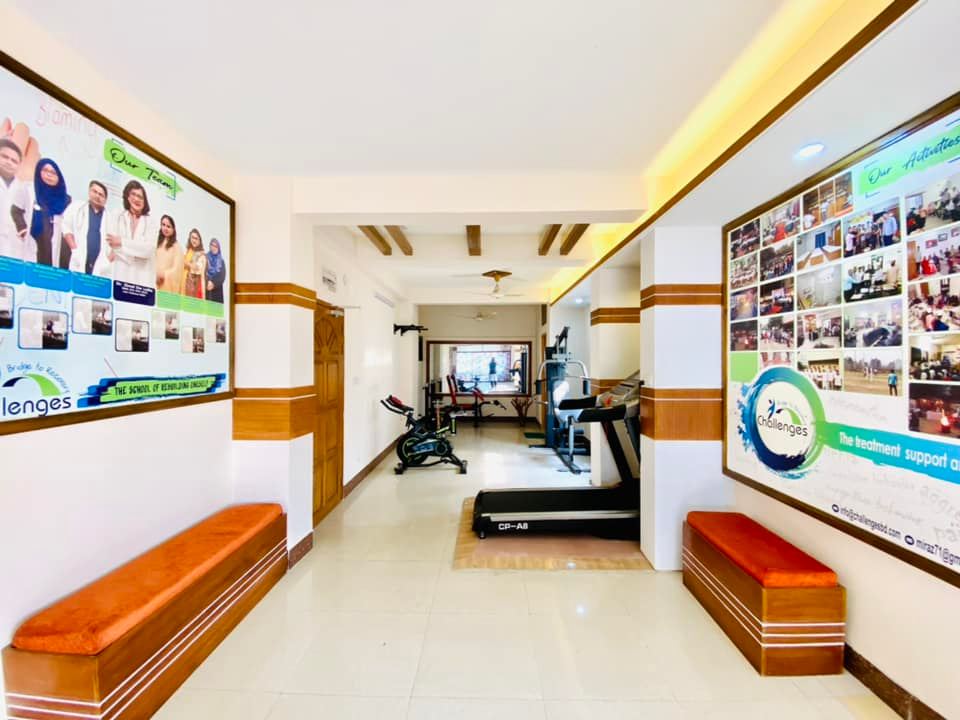
অনেক রোগী বলেন তারা বন্ধ করতে চান, কিন্তু থামতে পারেন না। আমাদের রেসিডেনশিয়াল সেটিংয়ে ক্রমাগত ডিজিটাল ট্রিগারগুলো দূর করা হয় এবং তার পরিবর্তে থেরাপি, বিশ্রাম, সুস্থতা, আত্ম-চিন্তা এবং স্বাস্থ্যকর কার্যকলাপসহ একটি পরিকল্পিত দৈনন্দিন রুটিন তৈরি করা হয়। এই কাঠামো রোগীদের আরও শান্ত অনুভব করতে, পরিষ্কারভাবে চিন্তা করতে এবং প্রতিদিন বাস্তব সুস্থতার জন্য সহায়ক অভ্যাস গড়ে তুলতে সাহায্য করে।
ব্যক্তিকেন্দ্রিক ক্লিনিক্যাল যত্ন
আমরা এটিকে শুধুমাত্র একটি সাধারণ খারাপ অভ্যাস হিসেবে দেখি না। আমরা বাধ্যতামূলক ফোন ব্যবহারের পেছনের আবেগগত কারণগুলো বিবেচনা করি, যেমন স্ট্রেস, একাকীত্ব, এড়িয়ে যাওয়ার প্রবণতা, নিম্ন মেজাজ, দুর্বল সীমারেখা বা পারিবারিক দ্বন্দ্ব। CBT, DBT-ভিত্তিক সহায়তা, কাউন্সেলিং এবং প্রয়োজনে সাইকিয়াট্রিক মূল্যায়নের মাধ্যমে চিকিৎসা শুধু স্ক্রিন নয়, বরং ব্যক্তিকে কেন্দ্র করে গড়ে তোলা হয়।
পারিবারিক-কেন্দ্রিক নির্দেশনা
অনেক পরিবারে ফোন আসক্তি প্রতিদিনের ঝগড়া, দোষারোপ, হুমকি এবং হতাশায় পরিণত হয়। আমাদের পারিবারিক কাউন্সেলিং প্রিয়জনদের পরিস্থিতি বোঝাতে সাহায্য করে, আরও কার্যকরভাবে প্রতিক্রিয়া জানাতে শেখায় এবং স্বাস্থ্যকর সীমারেখার মাধ্যমে সুস্থতায় সহায়তা করতে নির্দেশনা দেয়। এটি সাধারণত পরিবারের ভেতরে বিশ্বাস উন্নত করে এবং রোগী ও পরিবার উভয়ের জন্য একসাথে এগিয়ে যাওয়ার একটি পরিষ্কার পথ তৈরি করে।
বাস্তবভিত্তিক আফটারকেয়ার পরিকল্পনা
রিকভারি রেসিডেনশিয়াল কেয়ার শেষ হওয়ার সাথেই শেষ হয় না। আমরা রোগীদের পড়াশোনা, কাজ এবং পারিবারিক জীবনে ফিরে যেতে সহায়তা করি একটি বাস্তবসম্মত রিল্যাপ্স-প্রিভেনশন পরিকল্পনা, ফলো-আপ সাপোর্ট এবং এমন ডিজিটাল নিয়মের মাধ্যমে যা তারা বাস্তবে বজায় রাখতে পারে। আমাদের লক্ষ্য ফোনকে ভয় পাওয়া নয়, বরং আরও স্বাস্থ্যকর নিয়ন্ত্রণ, শক্তিশালী রুটিন এবং একটি ভারসাম্যপূর্ণ অফলাইন জীবন গড়ে তোলা।
আমাদের সোশ্যাল মিডিয়া আসক্তির চিকিৎসা কীভাবে কাজ করে
আমাদের চিকিৎসা একটি স্পষ্ট ধাপে ধাপে প্রক্রিয়া অনুসরণ করে, যা রোগীদের বাধ্যতামূলক ব্যবহার এবং পারিবারিক চাপ থেকে ধীরে ধীরে আবেগগত স্থিতিশীলতা, স্বাস্থ্যকর অভ্যাস এবং স্থায়ী সুস্থতার দিকে এগিয়ে যেতে সহায়তা করে।
1
মূল্যায়ন ও ভর্তি
প্রথমে আমরা উপসর্গ, ফোন ব্যবহারের অভ্যাস, ট্রিগার, ঘুম, মেজাজ এবং পারিবারিক সমস্যাগুলো মূল্যায়ন করি।
2
ডিজিটাল ডিটক্স ও স্থিতিশীলতা
রোগীরা ট্রিগার থেকে ধীরে ধীরে দূরে সরে আসে, একই সাথে ঘুম, স্ট্রেস, আকাঙ্ক্ষা এবং দৈনন্দিন রুটিন স্থিতিশীল করা হয়।
3
মূল আবাসিক চিকিৎসা কর্মসূচি
দৈনিক থেরাপি, কাঠামোবদ্ধ রুটিন, কাউন্সেলিং এবং স্বাস্থ্যকর অফলাইন কার্যক্রম পরিবর্তন গঠনে সহায়তা করে।
4
পারিবারিক সহায়তা
পরিবারগুলো শেখে কীভাবে দ্বন্দ্ব কমাতে হয়, সীমারেখা নির্ধারণ করতে হয় এবং সুস্থতায় কার্যকরভাবে সহায়তা করতে হয়।
5
পুনরায় আসক্তি প্রতিরোধ পরিকল্পনা
আমরা রিহ্যাবের পরবর্তী জীবনের জন্য স্পষ্ট নিয়ম, ট্রিগার মোকাবেলার পরিকল্পনা এবং ডিজিটাল সীমারেখা তৈরি করি।
6
পরবর্তী যত্ন ও আউটপেশেন্ট সেবা
ফলো-আপ সহায়তা রোগীদের স্বাভাবিক দৈনন্দিন জীবনে ফিরে যাওয়ার সময় স্থিতিশীল থাকতে সাহায্য করে।
বিশেষায়িত সেবার ক্ষেত্রসমূহ
যখন ফোন ব্যবহার ঘরের জীবনে ক্ষতিকর প্রভাব ফেলতে শুরু করে
বাংলাদেশে অনেক পরিবার প্রথমে অতিরিক্ত সোশ্যাল মিডিয়া ব্যবহাকে শুধু খারাপ অভ্যাস বা কিশোর বয়সের একটি পর্যায় বলে মনে করে। কিন্তু যখন রিল দেখা, রাত জেগে স্ক্রলিং এবং স্মার্টফোন নির্ভরতা ঘুম, পড়াশোনা, কাজ, পারিবারিক শান্তি এবং মানসিক স্বাস্থ্যের ক্ষতি করতে শুরু করে, তখন কাঠামোবদ্ধ চিকিৎসা বাস্তব পরিবর্তন আনতে পারে।
স্ক্রিন টাইমের চেয়েও বেশি
- অনেক পরিবার ক্লান্ত হয়ে আমাদের কাছে আসে। রোগী রাত জেগে থাকে, ক্লাস মিস করে, বাস্তব জীবনের কথোপকথনে আগ্রহ হারায়, ফোন রাখতে বললে রেগে যায় এবং ধীরে ধীরে স্ক্রলিং, তুলনা করা এবং আবেগগতভাবে নিজেকে গুটিয়ে নেওয়ার একটি চক্রে আটকে পড়ে। সময়ের সাথে সাথে পরিবারের মধ্যে বিশ্বাস ভেঙে পড়ে। আমাদের কাজ হলো রোগী এবং পরিবার উভয়কেই এই প্যাটার্নটি স্পষ্টভাবে বুঝতে সাহায্য করা এবং দোষারোপ, শাস্তি বা ভয়ের পরিবর্তে একটি বাস্তবসম্মত চিকিৎসা পরিকল্পনার মাধ্যমে সঠিকভাবে মোকাবিলা করতে সহায়তা করা।
বাংলাদেশি পরিবারগুলোর জন্য উপযোগীভাবে তৈরি
- আমাদের প্রোগ্রামটি বাংলাদেশি পরিবারগুলোর বাস্তব পরিস্থিতি মাথায় রেখে তৈরি করা হয়েছে—যেখানে সামাজিক কলঙ্ক, বিভ্রান্তি, পড়াশোনার চাপ, গোপনীয়তা নিয়ে উদ্বেগ এবং কোথায় সাহায্য পাওয়া যাবে তা নিয়ে অনিশ্চয়তা থাকে। আমরা একটি গোপনীয় রেসিডেনশিয়াল পরিবেশ, পেশাদার থেরাপি, পারিবারিক নির্দেশনা এবং কাঠামোবদ্ধ রুটিন প্রদান করি, যা রোগীদের ক্ষতিকর ডিজিটাল অভ্যাস থেকে দূরে সরে এসে ঘুম, মনোযোগ, আত্মসম্মান, আধ্যাত্মিকতা এবং দৈনন্দিন জীবনের সাথে আরও নিরাপদ ও সহায়কভাবে পুনরায় সংযুক্ত হতে সাহায্য করে।
রিকভারিতে CBT এবং DBT কীভাবে সহায়তা করে
অনেক রোগীর জন্য সবচেয়ে কঠিন বিষয় হলো সমস্যার ক্ষতি বুঝতে না পারা। সবচেয়ে বড় চ্যালেঞ্জ হলো বারবার ফোনের দিকে টান অনুভব করা, এমনকি বন্ধ করার প্রতিশ্রুতি দেওয়ার পরও। আমাদের থেরাপি রোগীদের বুঝতে সাহায্য করে কেন তারা স্ক্রল করে, কী কী বিষয় তাদের ট্রিগার করে এবং এই আচরণ তাদের মেজাজ, ঘুম, পড়াশোনা, কাজ ও সম্পর্কের ওপর কীভাবে প্রভাব ফেলছে।
CBT অস্বাস্থ্যকর চিন্তা ও দৈনন্দিন অভ্যাস পরিবর্তনে সহায়তা করে, আর DBT স্ক্রিনে আশ্রয় না নিয়ে আকাঙ্ক্ষা, তীব্র আবেগ, হতাশা ও শূন্যতা সামলানোর দক্ষতা গড়ে তোলে। একসাথে, এই থেরাপিগুলো রোগীদের নিজেদের উপর নিয়ন্ত্রণ বাড়াতে, ভালোভাবে যোগাযোগ করতে এবং অফলাইন জীবনে আরও স্বাস্থ্যকর জীবন গড়ে তুলতে সহায়তা করে।
পুনর্বাসন চিকিৎসার গড় খরচ
আমরা এমন ব্যক্তিদের জন্য আবাসিক পুনর্বাসন কর্মসূচি প্রদান করি, যাদের জন্য সুসংগঠিত ও ২৪ ঘণ্টা পেশাদার তত্ত্বাবধান প্রয়োজন। আমাদের ব্যক্তিগতভাবে উপযোগী চিকিৎসা পরিকল্পনা রোগীদের আসক্তি কাটিয়ে উঠতে, মানসিক স্থিতিশীলতা পুনরুদ্ধার করতে এবং একটি আরও সুস্থ ও অর্থবহ জীবনে ফিরে যেতে সহায়তা করে।
সাধারণ ক্যাটাগরি
আবাসিক পুনর্বাসন কর্মসূচি একটি সুসংগঠিত পরিবেশে ২৪ ঘণ্টা যত্ন ও সহায়তা প্রদান করে, যেখানে সম্পূর্ণভাবে সুস্থতার প্রক্রিয়ার উপর গুরুত্ব দেওয়া হয়।
প্রিমিয়াম ক্যাটাগরি
আবাসিক পুনর্বাসন কর্মসূচি একটি আরামদায়ক পরিবেশে ২৪ ঘণ্টা যত্ন ও সহায়তা প্রদান করে।
এক্সট্রা প্রিমিয়াম ক্যাটাগরি
আবাসিক পুনর্বাসন কর্মসূচি একটি ব্যক্তিগত ও সহায়ক পরিবেশে ২৪ ঘণ্টা যত্ন ও সহায়তা প্রদান করে।
What are the signs of social media addiction?
Common signs include compulsive scrolling, losing track of time online, staying up late for reels or feeds, irritability when the phone is removed, neglecting study or work, hiding usage, and ongoing conflict with family over screen time.
Do you treat smartphone addiction and reels watching addiction too?
Yes. Many patients are not only attached to social media apps but also to nonstop phone use, short-video scrolling, and checking notifications. We address the full behavior pattern, not just one platform.
Is residential treatment necessary for every patient?
Not always. Some people may improve with counseling and boundaries, but residential treatment is often helpful when phone use is severe, daily life is disrupted, family conflict is high, or the patient cannot stop even after repeated attempts.
Can families be involved in the treatment process?
Yes. Family involvement is important, especially when trust has broken down at home. Our family counselling helps loved ones understand the problem, set healthier boundaries, and support recovery without constant arguments or shame.
Will treatment stay confidential?
Yes. Privacy matters deeply, especially for patients and families who feel embarrassed or worried about social stigma. We handle treatment with sensitivity, professionalism, and respect for confidentiality.
অনলাইনে একটি বিনামূল্যের
পরামর্শ সেশন নির্ধারণ করুন
আপনি যা খুঁজছেন তা কি খুঁজে পাচ্ছেন না?